
News
Architecture in Barcelona: which buildings are particularly interesting?
Barcelona tells its story through façades, squares and light. Gothic towers cast long shadows over narrow alleyways, modernist buildings shine with ceramic colours and modern glass surfaces reflect the sea and sky. The urban landscape resembles an open-air exhibition, free to enter yet surprising at every corner. Often, all it takes is looking up to discover a new detail: an artistically wrought railing, a figure looking out from a façade or a roof that seems almost playful. Every era has left its mark, and it is precisely
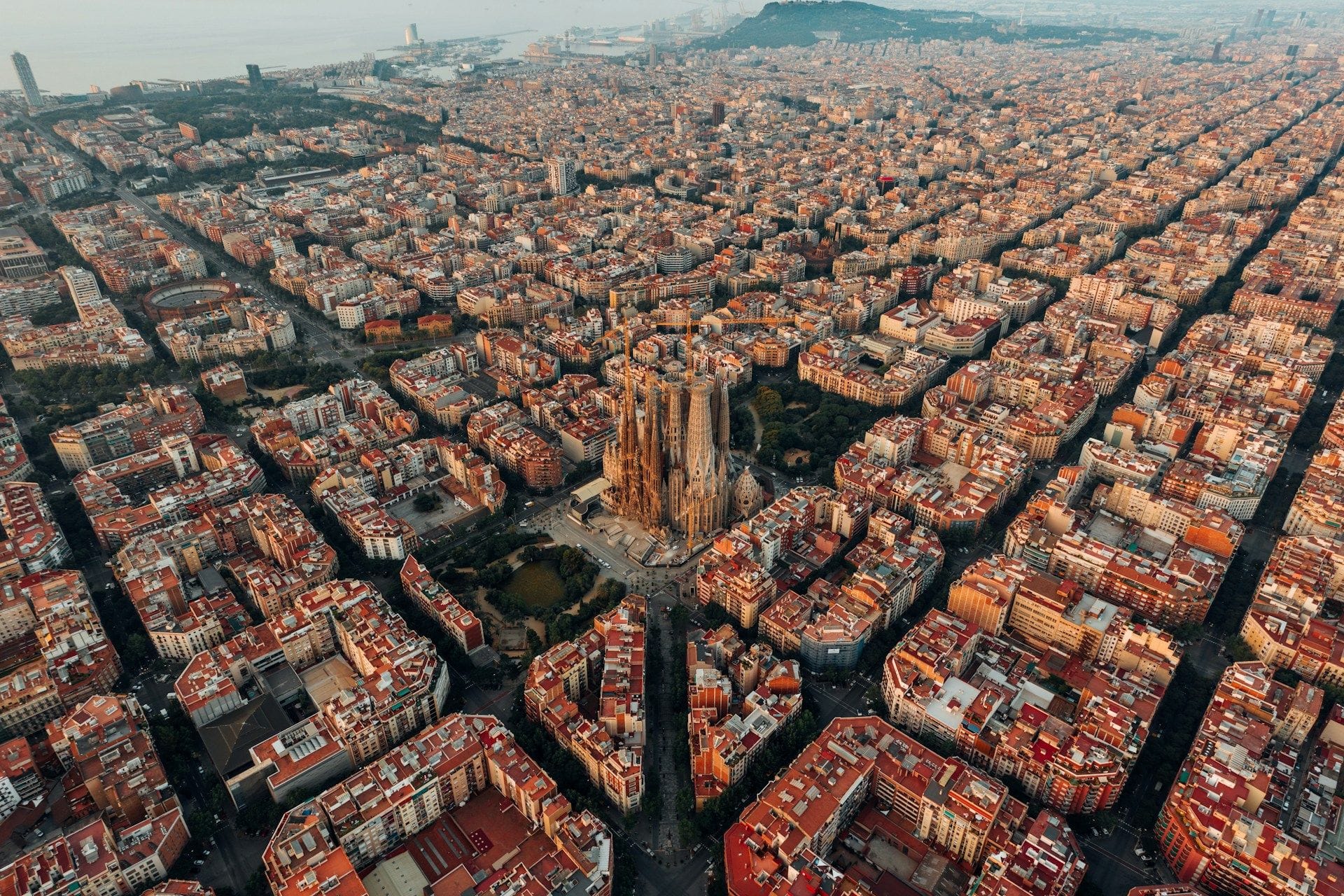
What architectural styles characterise Barcelona's urban landscape?
In the Barri Gòtic, the city shows its medieval face. Pointed arches draw the gaze upwards, stone gargoyles watch over the eaves, and light falls in fine stripes on the ground. A few steps away, Modernism begins with façades that evoke natural forms, with ceramics, wrought iron and glass suggesting waves, leaves and scales. If you look closely, you can see small symbols, floral motifs and often political messages hidden in the façades. Modernity complements this image with clear lines, broad squares and buildings that deliberately distance themselves from history without suppressing it.
Contemporary touches, from urban renewal to the skyline
The Olympic Games gave the coast fresh momentum. New beaches, paths and squares were created, the Casino de Barcelona opened in Port Olímpic and, little by little, the entire neighbourhood changed. Although in recent years people increasingly play at a Spanish online casino, the local casino stands out for its welcoming atmosphere and therefore also has its reason for being. Very nearby, Peix by Frank Gehry shines, a large metal sculpture which, depending on the sun's position, looks warm and golden or cold.
Evening walks are particularly appealing here, when the sculpture and surrounding buildings are lit by the setting sun or night-time lighting. Torre Glòries rises as a modern beacon and is now part of the skyline, which can already be seen from the sea. Other projects, such as the Design Museum or the new port area, show that Barcelona continues to build boldly.
Gaudí and Modernism, the icons of Catalan Art Nouveau
The Sagrada Familia rises like a vertical promise in the sky. Outside, the towers grow like petrified plants; inside, coloured light filters through as if through a canopy of leaves. On Passeig de Gràcia, Casa Batlló slides along the street as if there were a skeleton of arches and windows beneath its façade, closely followed by Casa Milà, which turns everyday life into a stage with its curved walls, broad courtyards and sculptural chimneys.
Those who climb to the roof find themselves among almost mask-shaped chimneys that look like guardians. Park Güell captivates with its panoramic views of the city, while the mosaics shine in the sunlight. And in Casa Vicens, you can literally feel Gaudí's taste for experimentation in the small rooms.
Beyond Gaudí, other masterpieces of Modernism
At Palau de la Música Catalana, daylight plays a leading role. The hall's ceiling looks like an inverted glass fountain, while mosaics and wrought-iron details bring sound and colour. The Hospital de la Santa Creu i Sant Pau spreads its pavilions through a garden, connected by paths and underground corridors, a complex that understands hygiene, air and beauty as a functional whole.
Those with time can walk through the facilities for hours and discover countless ceramic details. Casa Amatller's façade is a wild play of stepped gables, reliefs and colourful tiles. Casa Lleó Morera surprises with its floral ornamentation and delicate sculptures, which speak of craftsmanship.
Barcelona Cathedral stands as an anchor in the old town. In the cloister there are orange trees, circling geese and water murmuring softly. Santa María del Mar convinces through its clear proportions and its sense of spaciousness without excess ornamentation. Those who pause there for a moment may hear the echo of concerts or masses, giving the space an almost meditative atmosphere.
The Gothic churches bear witness to a period when trade and navigation enriched Barcelona. Many of the houses in the surrounding narrow streets date from the same period, making the neighbourhood seem like a medieval puzzle.
How functionality, art and everyday life combine in architecture
Barcelona's buildings do not stand still. People live in Casa Milà, Palau de la Música is used for performances, and markets function as places of supply and meeting. The flow of visitors requires organisation; Sagrada Família operates with ticket offices and timed entry slots, and restorations are carried out in the background.
Some neighbourhoods are experimenting with traffic-restricted zones to improve the quality of visitors' stays. At the same time, new uses are emerging: old industrial warehouses are becoming studios, restaurants or event venues. This gives the city a dynamism that constantly reinvents it.
Secret tips for architecture lovers away from the main streets
The old El Born market shows an elegant iron structure and a large open hall, which now hosts a cultural programme. La Boquería is no secret, but the combination of roof, pillars and market life offers impressive images. In Eixample and Gràcia, courtyards, entranceways and staircases are hidden that can be accessed without paying admission, often on side streets or in discreet corners.
If you look closely, you can find small inscriptions, colourfully painted tiles or artistic doors that tell a whole story. The Poblenou neighbourhood is also interesting, as old factory façades mix here with street art and modern architecture. These discoveries give Barcelona a depth that is often underestimated away from the main sights.