
News
Badalona reorganises its centre with more pedestrian space and fewer cars
Badalona is preparing for one of the most significant urban transformations of its historic centre. The Ayuntamiento has launched the project to redevelop the Assemblea de Catalunya square and introduce a new bus lane on Via Augusta, a key measure to remove traffic from Francesc Layret street and consolidate its conversion into a pedestrian thoroughfare.
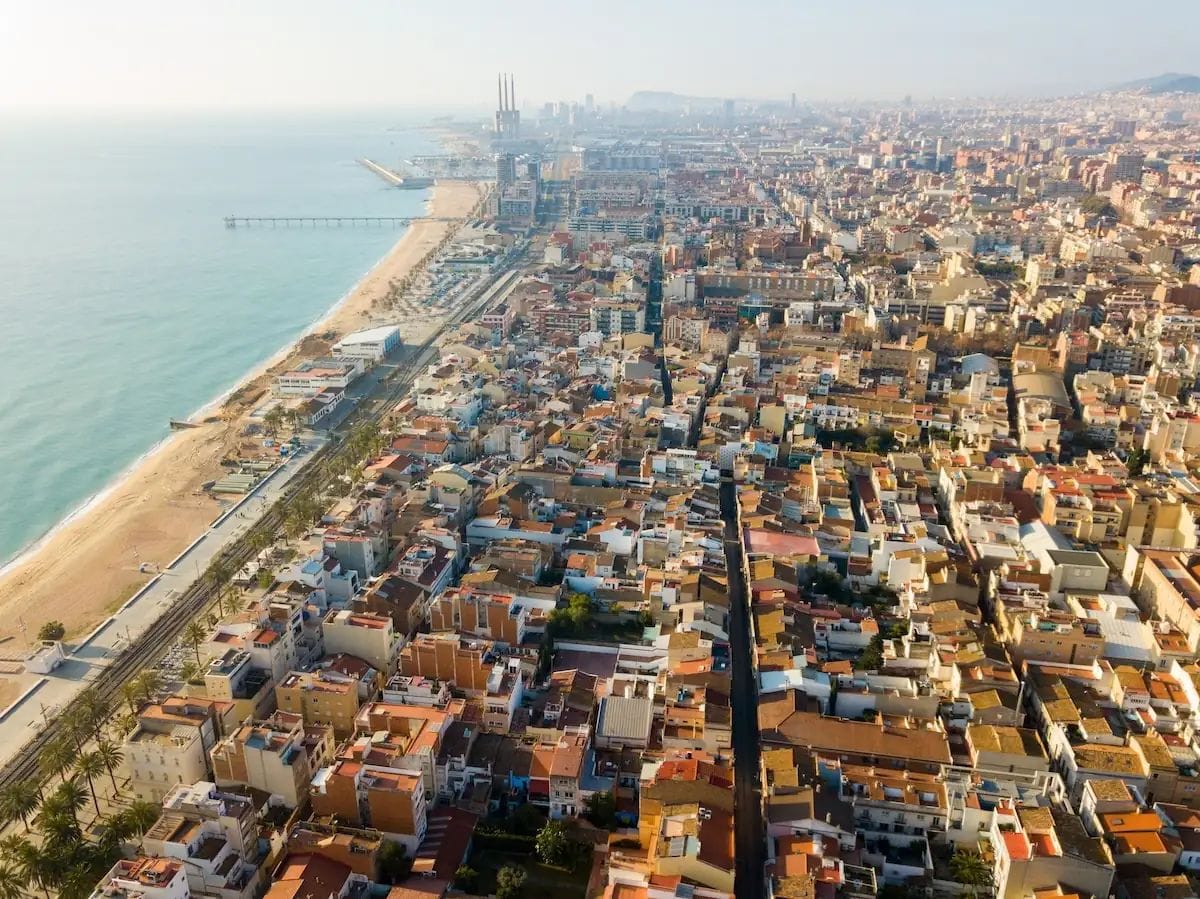
The change will directly affect those travelling through the centre, whether by public transport, on foot or by car. The new arrangement will divert some bus traffic to Via Augusta, while Francesc Layret continues its transformation into a pedestrian boulevard.
The work has been awarded to Rogasa Construcciones y Contratas, S.A.U. and is expected to take five months. The project forms part of a broader reorganisation of central Badalona, begun with the traffic calming of Francesc Layret and intended to reduce the weight of private vehicles in the heart of the city.
The new bus lane will be installed on Via Augusta, in the direction of President Companys, and will operate against the general flow of traffic. Its function will be to absorb the passage of intercity buses that have until now travelled along Francesc Layret, one of the most sensitive routes in the centre.
The main stretch of work lies between Martí Pujol and President Companys. There, pavements and carriageway will be altered, especially on the seaward side, to adapt the street to its new role in the mobility scheme.
The works will include structural reinforcement of some parts of the embankment, necessary to ensure that the route can support buses. The paving will also be renewed, drainage and sewerage networks updated, and lighting and signage improved.
Plaça de l'Assemblea de Catalunya will be another of the project's most visible locations. The current parking area will disappear to make way for a public pedestrian square, with new paving, more vegetation and a renewed sewerage system.
That change will be significant for the centre's everyday life. The square will go from functioning as a place for passing through and parking to becoming a place to spend time, more connected to the pedestrian routes the City Council wants to strengthen around Francesc Layret.
The intervention will also reach the junction of Alcalde Xifré and Sant Ramon. Adjustments will be made there to allow buses to turn and accommodate the new traffic flow. The operation includes reversing the direction of Sant Ramon, a technical measure needed for the system to work without choking traffic in the area.
The municipal aim is to create a large pedestrian island in the historic centre. The idea is to make walking through this part of Badalona more comfortable, with less pressure from buses and cars, and with public transport reorganised along more suitable routes.
The intervention will, however, also bring months of works and changes to regular journeys. Residents, shops and bus users will have to adapt to closures, diversions and temporary adjustments as the redevelopment progresses.
The project also has an important heritage condition: the subsoil in this area forms part of the surroundings of the ancient Roman Bétulo. For that reason, earthworks will be subject to archaeological supervision, especially when the works affect deep layers.
Badalona is not merely changing a street or a square. It is reorganising a central part of its urban life, where public transport, trade, heritage, residents and visitors intersect. The test will be to see whether, after the works, the centre gains genuine space for walking without losing connection or accessibility.