
News
Badalona adapts 30 educational centres to rising heat
Badalona wants to stop the heat from turning classrooms and playgrounds into unbearable spaces. The Ayuntamiento will invest 539,030 euros to improve thermal comfort in 30 educational centres in the city, with work being carried out in municipal nurseries and infant and primary schools.
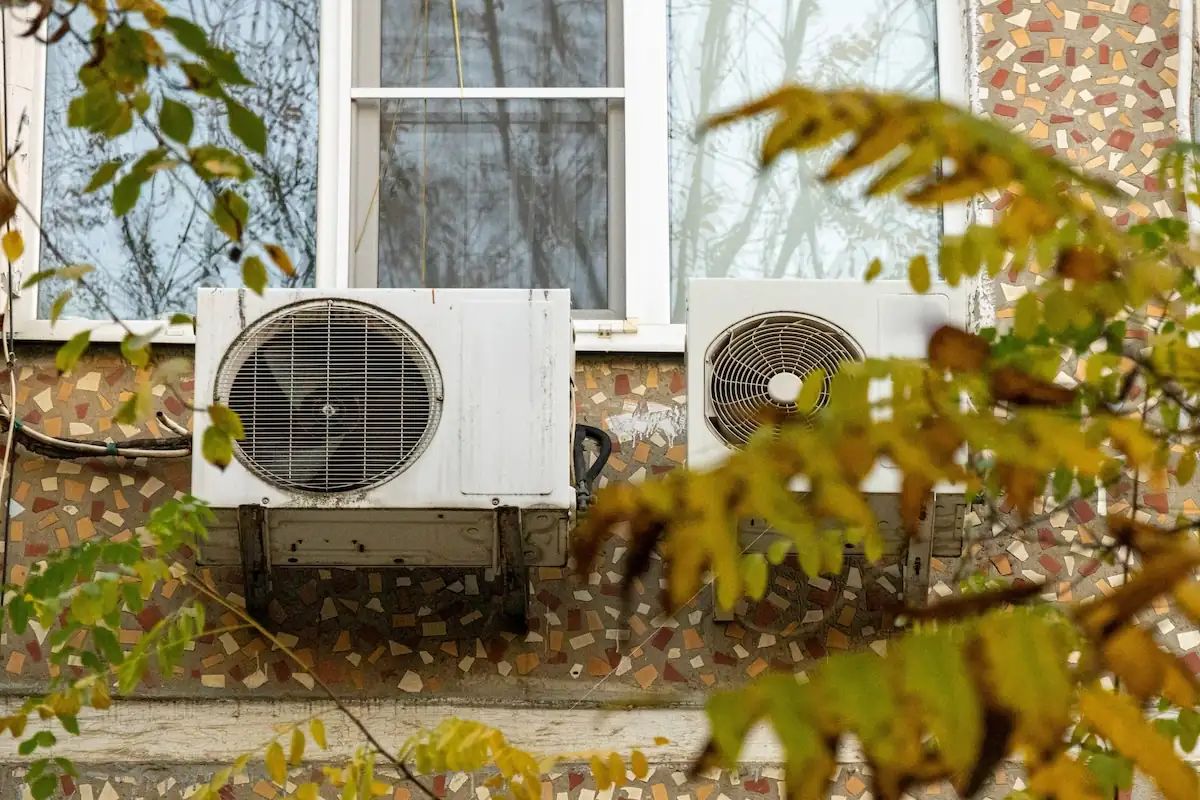
The measure responds to an increasingly common concern among families and teaching teams: spells of intense heat are no longer exceptional and have a direct impact on day-to-day life in educational centres. Classrooms, playgrounds and rest areas need to adapt to longer summers and higher temperatures.
The investment will be divided into two main strands. On the one hand, 193,531 euros will be allocated to air conditioning in the five municipal nurseries. On the other, 345,499 euros will be used to create new shaded areas in the playgrounds of 25 nursery and primary schools.
The nurseries where work will take place are Ralet Ralet, Pam i Pipa, Uni Dori, Virolet and Nero Nas. These centres already had heating but no fixed cooling systems, a particularly significant shortcoming because they care for children under four, who are more vulnerable during spells of hot weather.
Work at the nurseries will begin next week, starting with Ralet Ralet, and is expected to take three months. The project will install highly energy-efficient cooling systems in classrooms and indoor spaces.
The project will also include remote control systems to manage and programme the operation of the air conditioning. The idea is to improve temperatures without sending energy consumption soaring, something crucial in public facilities that operate for long hours and serve particularly vulnerable people.
The permanent measure follows a temporary solution. In 2024, the City Council installed portable air conditioning units in the five municipal nurseries to alleviate the high temperatures while a more lasting intervention was being prepared.
The second part of the project will focus on school playgrounds. New shaded spaces will be created at 25 nursery and primary schools to reduce direct exposure to the sun during the hottest months, especially at break times and during outdoor activities.
Most of the work will consist of installing wooden pergolas with sun protection elements. At two centres that already have protected areas, the work will be different: seating areas with benches will be created in spaces already sheltered from the sun.
The schools benefiting include Baldiri i Reixac, Feliu i Vegués, Folch i Torres, Ítaca, Joan Llongueras, Joan Miró, Josep Boada, Llorens Artigas, Margarida Xirgu, Miguel Hernández, Rafael Casanova, Institut Escola Llibertat, Institut Escola Baldomer Solà, Institut Escola Rafael Alberti, Institut Escola Turó d’en Caritg, Antoni Botey, Badalona Port, Joan Coret, Josep Carner, Les Ciències, Montigalà, Pau Picasso, Planas i Casals, Mercè Rodoreda and Pere de Tera.
At these centres, the work is expected to take five months. The project will not solve all the problems caused by heat in playgrounds, but it will provide safer areas for rest and play at times when direct sunlight increasingly affects school activities.
The project forms part of a broader effort to adapt municipal facilities to climate change. In a densely built city with many hard-surfaced playgrounds, creating shade is more than an aesthetic improvement: it can change how the space is used for much of the school year.
The municipal government has also linked this investment to the overall improvement of Badalona’s educational network. Alongside this, it has highlighted the future construction of the new Bugui Bugui municipal nursery, the first newly established nursery in the city since 2013.
For families, the change will be very tangible. Fewer sweltering classrooms, more shaded playgrounds and centres better prepared for a climate that is already part of everyday school life. Badalona cannot prevent heatwaves, but it can start redesigning its schools so that children suffer less from them.