
News
The Bicivia network remains incomplete after 10 years and the AMB speeds up its expansion with new investments
Mobility in Barcelona and its metropolitan area continues to adapt to a key project that is progressing more slowly than expected. The Bicivia network, designed to connect municipalities by bicycle, still has nearly 30% of its route pending a decade after it was announced.
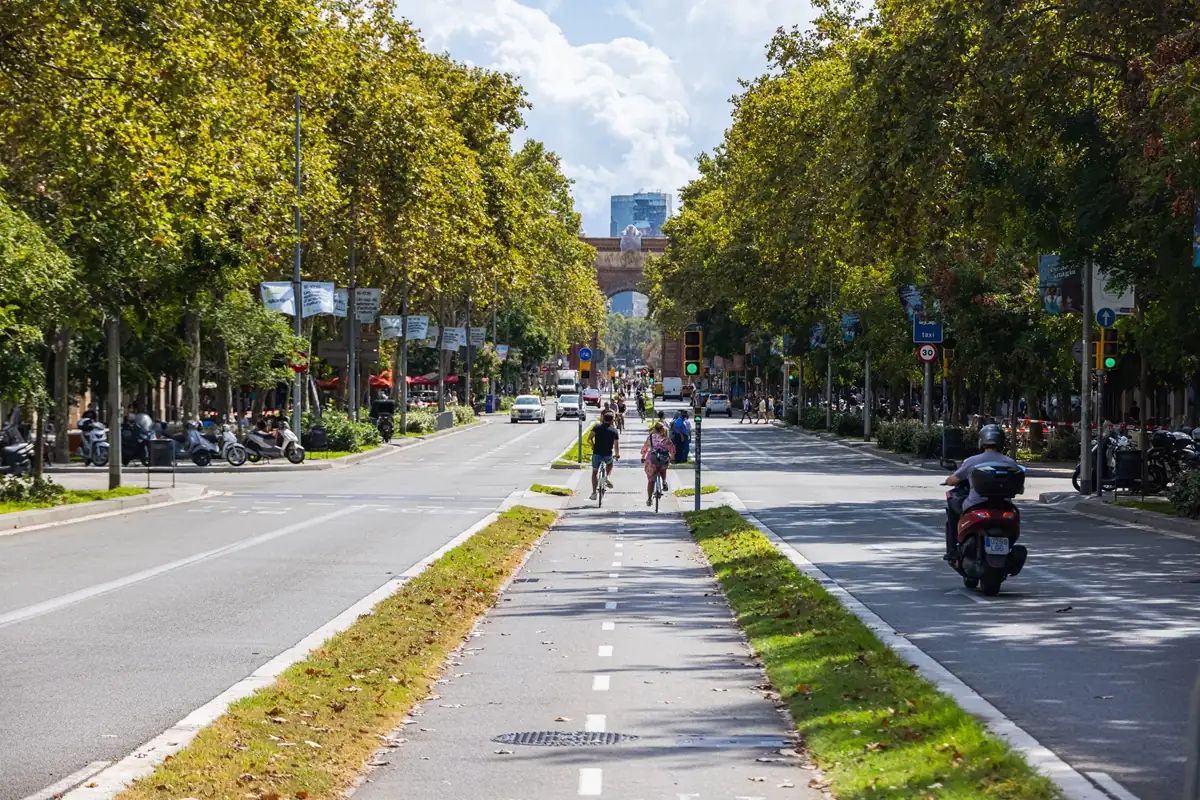
In total, 165.3 kilometres remain to be built, preventing a continuous connection between cities and neighbourhoods and limiting the use of bicycles as a real alternative for everyday journeys. To reactivate the project, the Barcelona Metropolitan Area will allocate 5.3 million euros to new sections to be developed over the next 18 months. Ten municipalities — including Sant Just Desvern, Badalona and Castelldefels — are leading this phase, which will add 8.3 kilometres of lanes, of which 4.4 will be incorporated directly into the Bicivia network. The plan includes grants covering up to 50% of the cost of the works, with a maximum of 200,000 euros per town council. This formula seeks to unblock complex sections and speed up implementation in areas where cycle connections are most needed. Bicivia is structured as a basic network, connecting major municipalities and employment areas, and a secondary network linking the rest of the territory. However, the lack of continuity at some points remains one of the main obstacles for those who use bicycles daily. In addition, 17 municipalities will receive funds to improve pedestrian routes to public-transport stops, reinforcing intermodality and facilitating combined journeys.
The development of Bicivia is key to transforming metropolitan mobility. Completing the network would represent a major step towards a more sustainable model, in which bicycles can compete with cars on urban and interurban journeys.