
News
Barcelona speeds up climate control in schools with tourism funds
Barcelona wants heat to stop determining the end of the school term in classrooms. The City Council is speeding up climate control in public schools with money from the tourist tax, a route that turns part of the income generated by visitors into direct improvements to neighbourhood daily life.
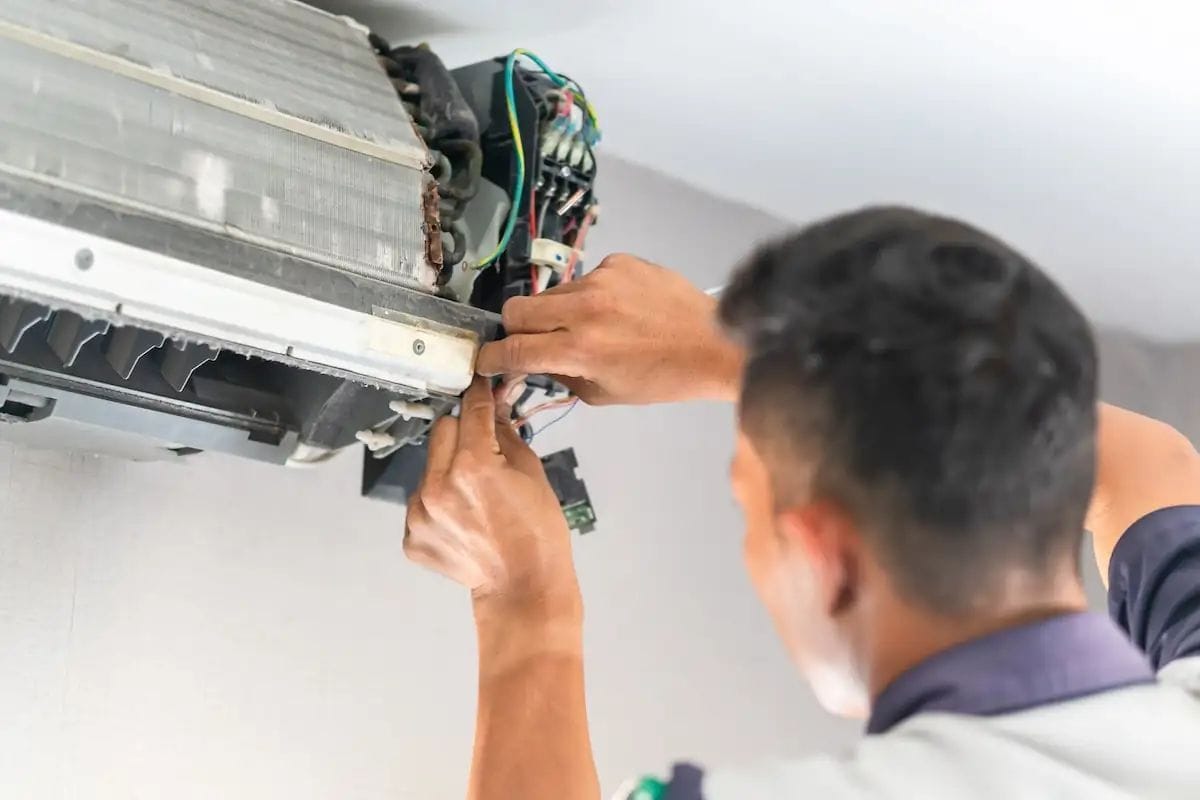
The plan has already made it possible to climate-control 84 educational centres between 2024 and 2026. The municipal forecast is to reach 170 schools and secondary schools before 2030, within an overall investment of 100 million euros aimed at adapting school buildings to increasingly long and harsh summers.
This year, work will be carried out at 30 new centres, with an investment of 22.9 million euros. The works form part of Pla Clima Escola Barcelona and will be carried out by the Consorci d’Educació, responsible for bringing the installations to the public schools and secondary schools included in the schedule.
The intervention does not consist simply of installing air-conditioning units. The project combines aerothermal systems, air renewal, ventilation improvements, insulation, blinds and shade elements. The idea is that the centres can maintain a more bearable temperature without sending energy consumption soaring.
The change responds to a reality families and teachers know well. In June, September and even on some spring days, many classrooms reach temperatures that make studying, working or concentrating difficult. The problem especially affects young children, vulnerable pupils and teachers who spend the whole day inside the centre.
Funding through tourism funds adds a political and urban dimension to the project. Barcelona has spent years debating how to make tourism give more back to the city that bears it. In this case, part of that revenue translates into schools better prepared for heat, a demand that grows stronger with every spell of high temperatures.
The plan also connects with the city's network of climate shelters. Many educational centres can play a key role outside school hours, especially if they incorporate shadier playgrounds, cool indoor spaces and better thermal conditions for summer activities.
Climate control in schools gives a very concrete picture of where Barcelona is headed: climate change is no longer tackled only with grand speeches, but with works in classrooms, playgrounds and public buildings. Every adapted centre means less heat for studying, more safety for children and a more visible way of turning the tourist tax into everyday wellbeing.