
News
Barcelona will host Oxford Quantum Circuits’ major European centre
Barcelona has just added an important piece to its technology map. Oxford Quantum Circuits will establish in the city its first major quantum-computer design, development and manufacturing centre in the European Union, with planned investment of €92 million.
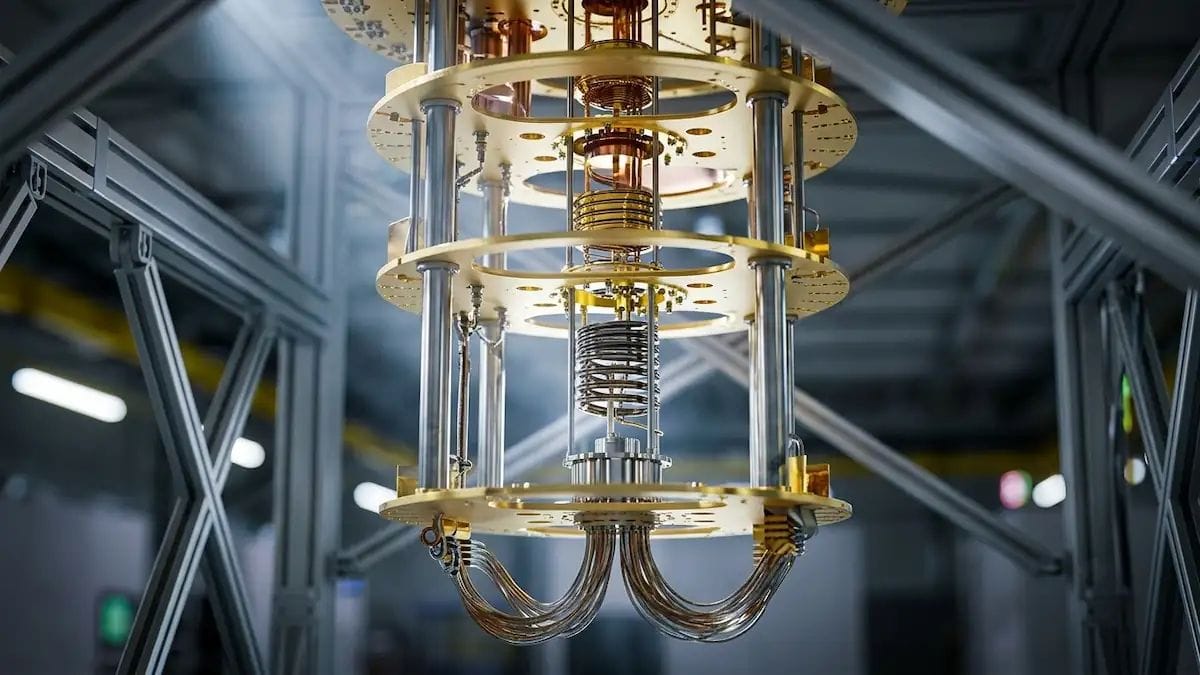
The project will put the Catalan capital in a technological race that no longer belongs solely to university laboratories. Quantum computing promises to speed up calculations impossible for today’s computers and open new applications in artificial intelligence, finance, health, energy, cybersecurity and advanced industry.
The new space will be called the OQC Global Quantum Development & Manufacturing Centre and will be dedicated to applied research, systems integration, engineering testing and manufacturing related to quantum computers. It will include laboratories, offices and technical areas for developing technology with an industrial purpose.
The British company’s arrival will also have an employment impact. The forecast is to create 210 jobs over the next five years, especially scientific, technology, engineering and advanced management roles. For Barcelona, the challenge will be not only to attract talent but also to retain it and connect it with universities, research centres and local companies.
Oxford Quantum Circuits began as a spin-off from the University of Oxford and has become one of the most relevant European names in the sector. Its commitment to Barcelona reinforces the city’s role as a destination for high-value technology projects, beyond tourism, conferences or the more visible digital economy.
The project has the backing of the Generalitat, the State, Barcelona City Council through Barcelona Investment Office, and Barcelona Global. It also comes with a financing round of almost 300 million euros, with participation by COFIDES and a contribution of 46 million through the Co-investment Fund.
The choice of Barcelona fits within a broader strategy: to gain a European presence in critical technologies and reduce dependence on major external hubs. At a time when technological sovereignty has become a priority for governments and companies, quantum computing is already seen as infrastructure for the future.
OQC’s arrival will not change everyday life in Barcelona overnight, but it may alter the kind of city it wants to be in the next decade. If the project takes hold, the Catalan capital will not only gain skilled jobs: it will also strengthen its place in an industry that may define much of European innovation in the coming years.