
News
Barcelona wakes up watching for the effects of the rainfall alert
Barcelona woke this Friday, 5 June, focused on the effects of the rain following the activation of the Municipal Emergency Plan because of the risk of insufficient drainage. The most difficult period was expected during the night and early hours, so attention is now turning to streets, ground-floor premises, garages and places where water can accumulate more easily.
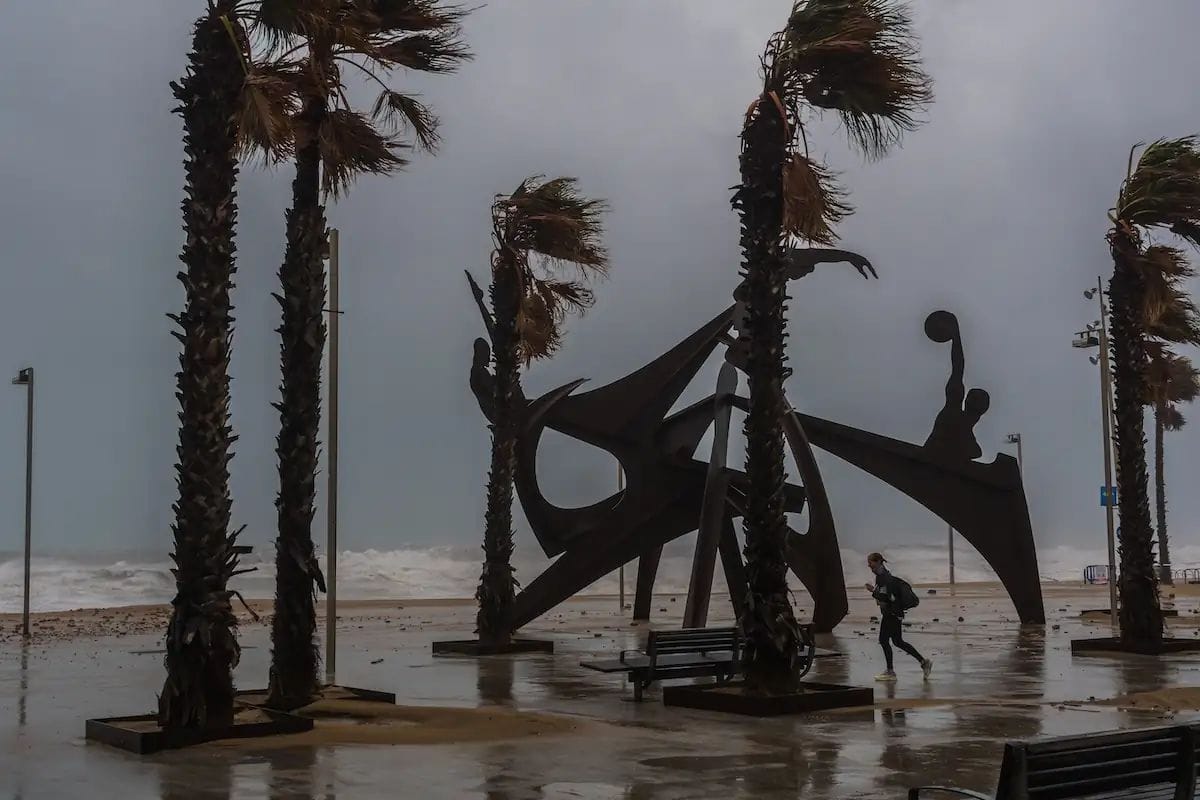
The alert was activated in response to forecasts of intense rainfall capable of testing the urban drainage system. Although the morning arrives with a calmer situation, the recommendation remains to act prudently, especially on early journeys and in areas where puddles, pools of water or debris carried by the storm may remain.
For people leaving for work, taking children to school or travelling by motorbike, bicycle or scooter, the practical warning is clear: check the condition of the streets before going about as on any other day. After a night of heavy rain, some points may still be slippery or have accumulations of water even if it is no longer raining heavily.
In homes on ground floors, in basements or in garages, it is advisable to check whether water has entered and inspect drains, gullies and downpipes. It is also advisable to remove wet objects, air the affected spaces and not handle electrical appliances if there is dampness or water residue nearby.
The situation also affects neighbourhood businesses, building entrances and private car parks. During episodes of heavy rain, problems do not always appear during the downpour, but early the following day, when shutters are raised, entrances are checked and leaks or accumulations in indoor areas are detected.
Mobility should gradually return to normal if heavy rainfall does not recur, but journeys may require a little more time. Underpasses, sloping streets, areas close to the coast and points with more sensitive drainage are the places where it is most advisable to take extra care.
The municipal plan makes it possible to coordinate teams and resources while the risk lasts, but for residents the most useful part lies in the morning’s small checks: looking at the condition of the building entrance, avoiding crossing areas with accumulated water and not forcing journeys through affected streets.
For Barcelona, the day leaves a very everyday lesson. A rain alert does not end when water stops falling: it is also measured in how neighbourhoods wake up, how access routes function, how people move around and which points in the city need a quick inspection before returning to the normal rhythm.