
News
Barcelona faces five days of strikes on FGC trains: key timetables and cuts
From this Tuesday, FGC trains will run with severe restrictions. Five days of strike action will reduce frequency by up to 75%. Discover the critical timetables and how to plan your journeys. This information is essential to avoid surprises.
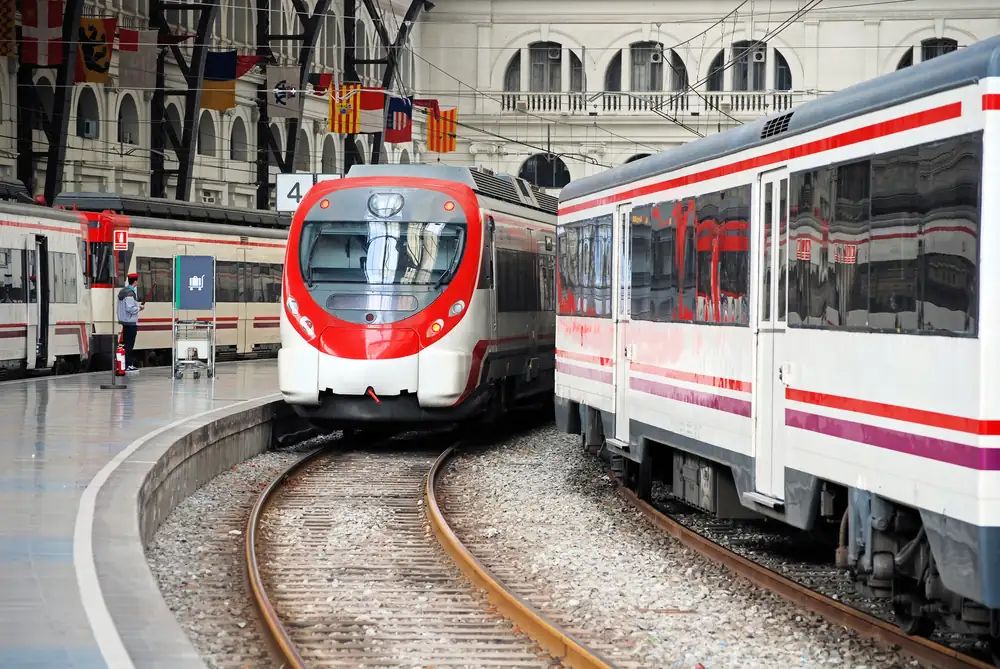
From this Tuesday, FGC trains will run with severe restrictions. Five days of strike action will reduce frequency by up to 75%. Discover the critical timetables and how to plan your journeys. The information is essential to avoid surprises.
Travelling by train around Barcelona and its metropolitan area will be a challenge from this Tuesday. Users of Ferrocarrils de la Generalitat de Catalunya (FGC) will face drastic service cuts, with fewer trains and particularly difficult time slots. The strike called by the SEMAF union will affect thousands of daily journeys and force people to reorganise routines and timetables.
The strike will extend across five days: 24 and 25 February, and 2, 3 and 4 March. On these days, the Generalitat has imposed minimum services that vary by time. During peak hours —from 06:00 to 09:00 and from 16:00 to 18:00— only half of the usual trains will run on the first two days. For the rest of the day, frequency will fall to 25%, which may result in crowded platforms and prolonged waits.
In March, coverage will improve slightly: trains will run at 66% during periods of highest demand, but outside those slots only one third of usual services will operate. Travellers should watch for last-minute changes and consult FGC’s official channels to avoid unexpected problems.
The company will update information in real time through its website, app and the social network X (@FGC). This way, people who depend on the train to get to work, study or move around the city will be able to adjust their plans and minimise the impact of the strike.
Following the situation will be key for those who cannot afford delays. The recommendation is to check timetables before leaving and consider alternative transport on the most affected sections.
Ferrocarrils de la Generalitat de Catalunya (FGC) is one of the pillars of public transport in Barcelona and its surrounding area. It connects neighbourhoods, municipalities and peripheral areas, facilitating the daily mobility of thousands of people. Its modern, efficient network has been key to the city’s urban transformation, integrating metropolitan and commuter services. Strikes at FGC usually have an immediate impact on everyday life, as many users depend on its punctuality to reach their destinations on time. The management of incidents and direct communication with travellers are aspects the company has strengthened in recent years to respond to situations such as the current one.