
News
More than 500 climate shelters will protect Barcelona this summer
Barcelona enters the summer with more places to escape the heat. The city is expanding its network of climate shelters and will exceed 500 spaces available to anyone who needs protection from high temperatures, almost a hundred more than last year.
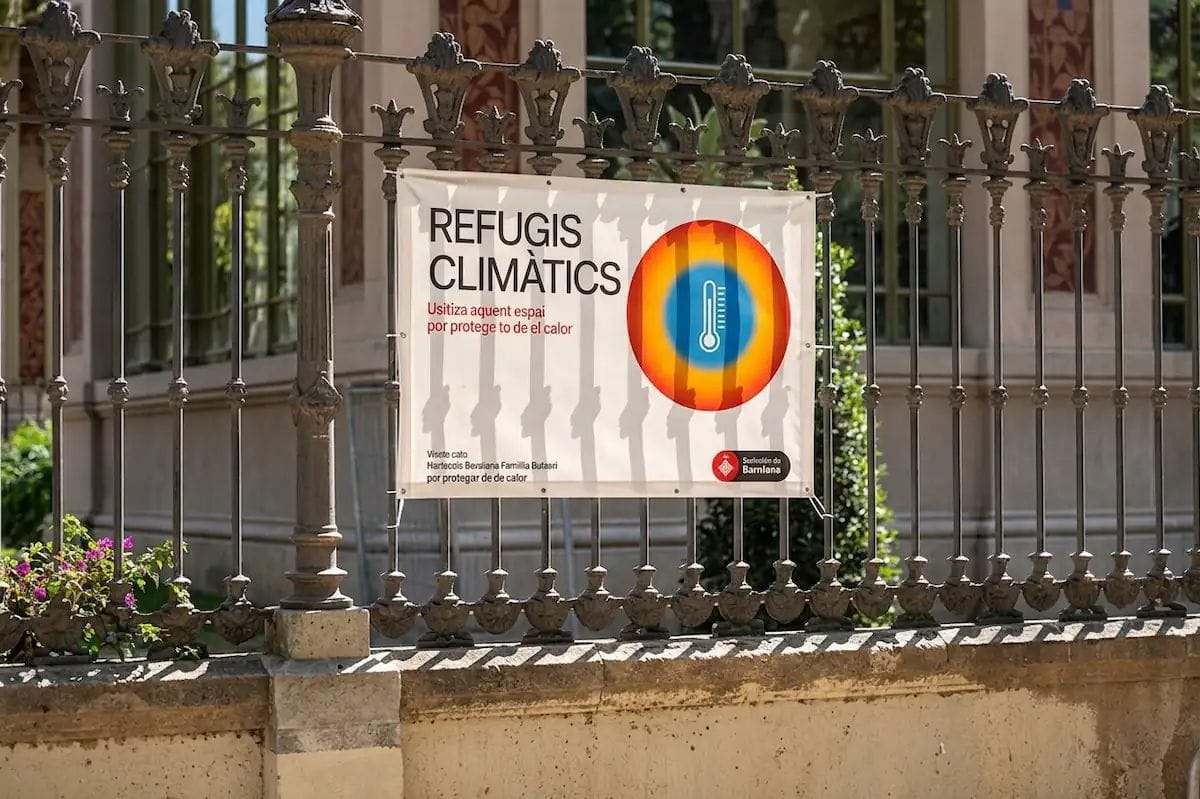
The idea is simple, but increasingly necessary: for everyone to have a cool, safe and accessible place nearby during days of intense heat. In a dense city, with many poorly insulated homes and streets that retain heat for hours, these spaces can make all the difference.
The network combines public facilities and participating private spaces. Libraries, civic centres, markets, museums, sports centres, pharmacies, shops and other air-conditioned premises will serve as thermal-relief points during the hardest summer months.
There will also be outdoor refuges. Parks, gardens and shaded areas are being added to the map to offer alternatives for people who prefer open spaces or need to rest while travelling. Not all refuges are the same, but they all fulfil a basic function: reducing exposure to the heat.
The City Council wants to strengthen provision especially in the most vulnerable neighbourhoods. These are areas that may have fewer green spaces, homes with poorer insulation, more older people or families with fewer resources to meet the energy cost of keeping their homes cool.
Climate refuges are not intended only for extreme emergencies. They can also be used to spend a few hours reading, wait between appointments, accompany older people, rest with children or break up a long public-transport journey on an especially hot afternoon.
The challenge will be ensuring that residents know where they are and when they open. The network’s real usefulness will depend on maps, opening hours and access being clear, especially during periods of intense heat, when improvising can be more difficult.
The expansion of these refuges paints a very specific picture of next summer: Barcelona no longer needs only beaches, terraces or fans. It also needs an everyday network of cool places where people can continue living the city when the heat becomes too intense.