
News
Barcelona strengthens its groundwater network to protect parks and gardens
Barcelona takes an important step to care for its parks and gardens without relying so heavily on drinking water. The city has completed the expansion of its groundwater network, a system that allows underground water to be used for irrigation, street cleaning, ornamental fountains and other municipal uses.
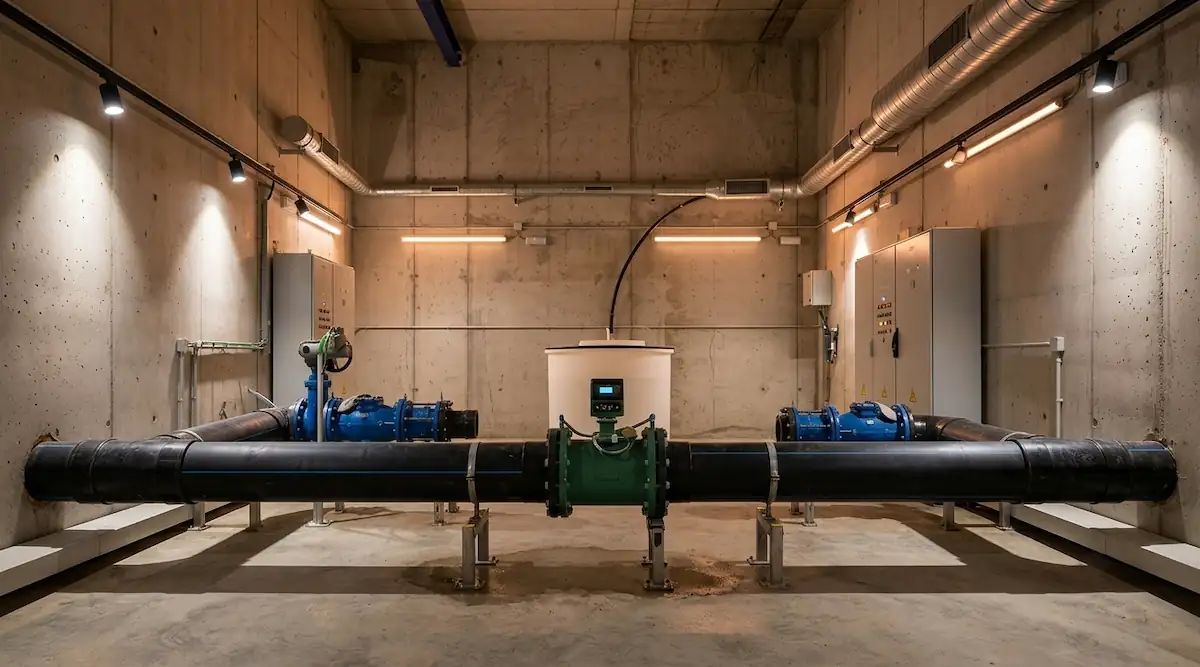
The measure comes at a time when drought and heat are forcing a rethink of how urban greenery is maintained. Watering trees, gardens and flower beds with drinking water is no longer a sustainable option in a city that needs to protect its reserves and prepare for new periods of scarcity.
The investment exceeds €22 million and has one of its key points in Montjuïc. Three new reservoirs have been built there, located at Castell de Montjuïc, Viver de Tres Pins and the Joan Brossa gardens, with a total capacity of 2,400 cubic metres.
Thanks to this infrastructure, Barcelona will be able to water 21 more hectares of green areas with groundwater. In total, the network will reach 186 hectares of green spaces served by this resource, reducing the use of drinking water for tasks where it is not essential.
The annual saving will be equivalent to around 60 Olympic swimming pools. In a city where the state of the reservoirs is watched with concern every summer, this figure helps to understand the importance of separating uses: drinking water for drinking and supplying homes, and groundwater for maintaining basic urban services.
Montjuïc will be one of the major beneficiaries. The system will cover 66% of its irrigation and cleaning needs, with most of the water allocated to gardens. The rest will be divided between street cleaning, support for firefighters and maintenance of ornamental fountains.
The new network connects the reservoirs with the Poble-sec system and the area around Palau Nacional, which will make it possible to distribute water better in an area with gardens, cultural facilities, sports installations and spaces much frequented by residents and visitors.
The plan does not end there. The City Council has started works at six more points in the city to increase the use of groundwater in municipal services by 150,000 cubic metres a year. These measures are in the testing phase and should come into operation this summer.
Barcelona also plans to invest around €30 million in modernising the irrigation systems of parks and gardens. The idea is to combine more alternative water with more efficient networks, to prevent losses and adapt the maintenance of urban greenery to an increasingly demanding climate.
The change may seem invisible to many residents, but it will have concrete effects on the city. More trees and gardens will be able to withstand dry periods better, streets will continue to be cleaned without putting pressure on domestic consumption, and spaces such as Montjuïc will be able to stay alive even when drought tightens again.