
News
Barcelona strengthens its climate shelters ahead of a more extreme summer
Barcelona is facing another summer of intense heat with a network of more than 500 climate shelters spread across the city. The aim is to ensure that residents, children, older people, and those living in poorly insulated flats have a cool place nearby where they can rest, stay hydrated, and escape the harshest hours of the day.
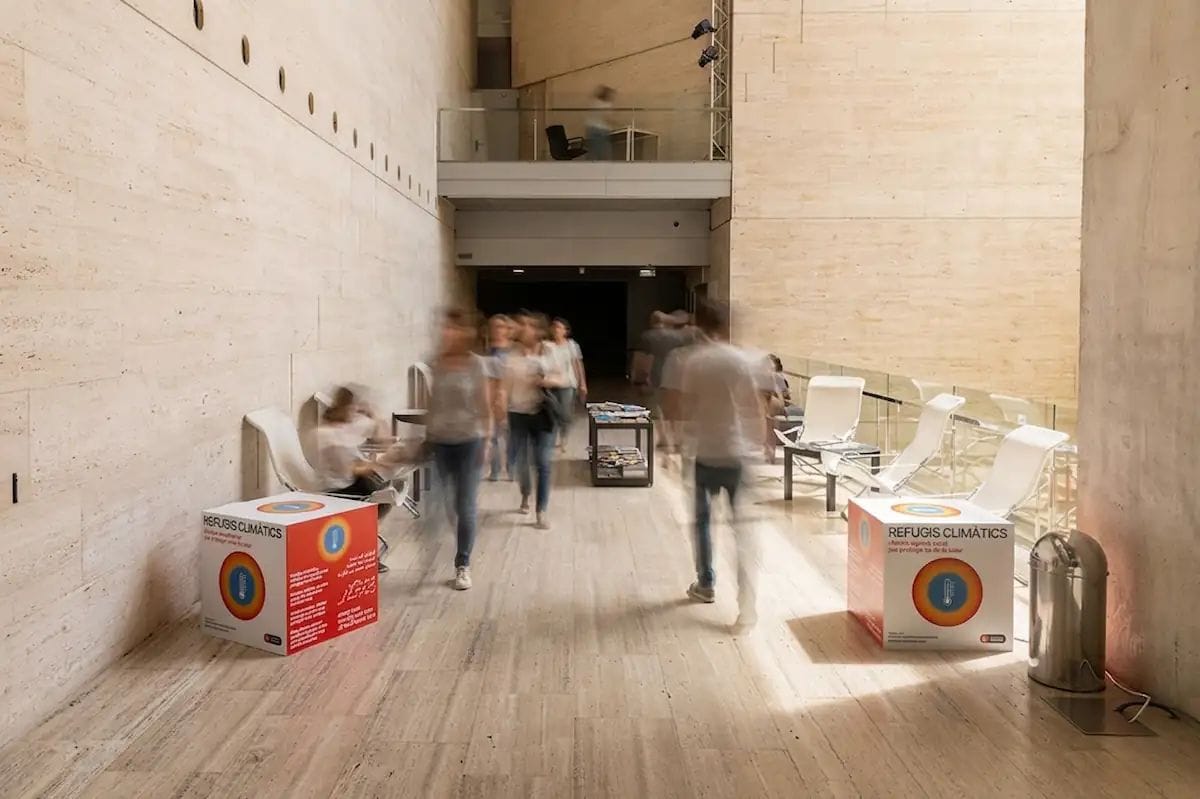
The network will operate from June to September and brings together public facilities, private spaces, and outdoor areas. Libraries, civic centres, museums, sports facilities, shaded parks, school playgrounds, pharmacies, and shops will all be part of a map designed so that keeping cool doesn’t depend solely on home air conditioning.
One of this year’s new features is the addition of more than 60 micro-refuges. These are small spaces, such as pharmacies, local organisations, or neighbourhood businesses, that offer free access, a more comfortable temperature, and a place to pause for those who need a break or to recover during a sweltering day.
The Ayuntamiento estimates that 99.2% of the population will have a climate refuge less than 10 minutes’ walk away under normal conditions. More than three out of four residents will have one within five minutes, which is significant when the heat is intense and getting around the city becomes more tiring.
Coverage will also continue throughout August, one of the most challenging times because many facilities reduce their hours or close. Even on Sundays in that month, more than 92% of residents will have a nearby refuge, according to municipal data.
The plan focuses on the most vulnerable neighbourhoods, where there is less shade, fewer green spaces, poorer housing, or a higher proportion of people sensitive to heat. In these areas, expanding the network aims to reduce inequalities and ensure that access to a cool place doesn’t depend on your postcode.
Summer will also bring activities aimed at families and children. There will be programming in libraries, film screenings in neighbourhood facilities, and municipal nursery school playgrounds open on Saturdays as climate refuges, with free access and activities for the youngest children.
The challenge is not just to have many spaces, but to make sure people can find them. That’s why maps, signage, and teams of information officers are being reinforced in the most exposed neighbourhoods. Information will be available on the municipal website and in the Barcelona a la Butxaca y BCN+65 apps.
The expansion of climate refuges shows how summer is already changing daily life in Barcelona. Sleeping worse, avoiding certain hours, seeking shade, or planning cooler routes are becoming part of the urban routine, and the city is responding with a network that turns libraries, pharmacies, and playgrounds into small lifelines against the heat.