
News
Barcelona sweeps the Premios ARQUITECTURA 2026 with three projects
Barcelona has been one of the major protagonists of the Premios ARQUITECTURA 2026. Three projects linked to the city and the province have received some of the competition's main recognitions, in an edition that has rewarded heritage, urban planning and more careful ways of intervening in the territory.
The result comes at a particularly symbolic moment for Barcelona, immersed in the World Capital of Architecture and the Gaudí Year. The city is looking not only at its best-known icons, but also at projects that explain how urban space is transformed when what already exists is rehabilitated, planned and cared for.
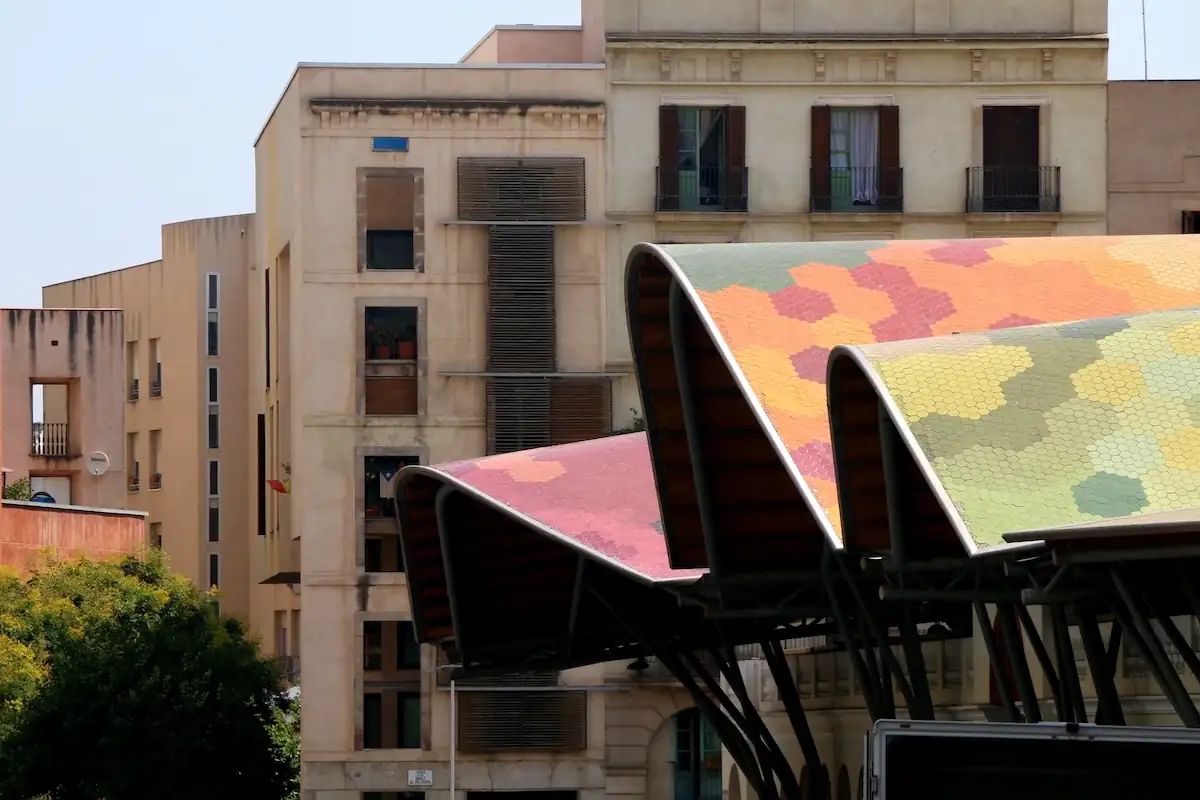
One of the awards went to the restoration of the Mercado de Santa Caterina, by Miralles Tagliabue - EMBT. The project received the Premio a la Permanencia, a category that recognises works which, two decades later, are still functioning and retain their value in the city's everyday life.
Santa Caterina is a highly visible case in Ciutat Vella. Its colourful roof, its relationship with the fabric of the neighbourhood and the blend of market, archaeological memory and public space have made it much more than a commercial facility. The award highlights its ability to remain active and recognisable over time.
The Plan Especial Urbanístico y de Mejora Urbana for the Fira de Barcelona and La Modelo area, developed by the Urban Planning Management of Barcelona City Council and Barcelona Regional, was also honoured. The project obtained the Premio de Urbanismo Español for proposing a new piece of city with housing, facilities, mixed uses and sustainability criteria.
The third recognition went to Can Saltiri, the restoration of access to Castillo de Rupit, by Carles Enrich Studio. The intervention received the Premio de Arquitectura Española for the way it connects heritage, landscape and the public route through a precise and respectful action.
The three projects are very different from one another, but share an underlying idea: architecture is not limited to putting up new buildings. It also consists of repairing markets, imagining new neighbourhoods, improving access, recovering memory and making existing places work better for those who use them.
These awards reinforce a clear reading in the middle of the architectural year. The city can continue to boast of major monuments, but its current strength also lies in interventions that make everyday life more liveable: a market that remains alive, a former prison looking to the future and a heritage access route that reconnects landscape and people.