
News
Barcelona wonders whether it can still curb gentrification
Barcelona is looking at itself through the mirror of its neighbourhoods again. Tourist pressure, rising prices and the loss of long-established shops have made gentrification a daily concern for many residents, especially in the city’s most visited areas.
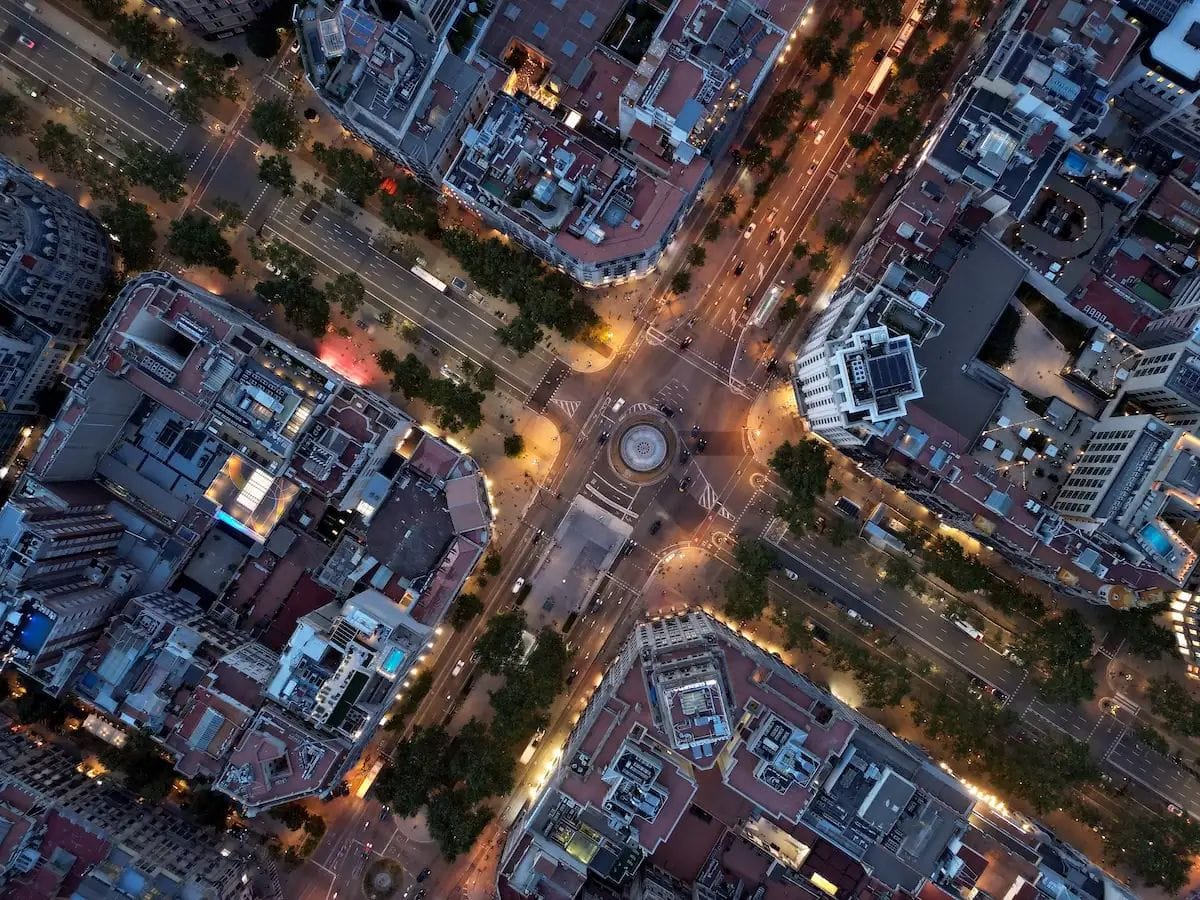
The debate no longer revolves only around the number of tourists arriving each year. The increasingly weighty question is whether those who live in Barcelona will be able to keep using their city normally: shop near home, find housing, walk without feeling displaced and maintain a recognisable neighbourhood life.
Mayor Jaume Collboni has argued that the situation can still be reversed. His message points to a difficult balance: preserving Barcelona's international strength without allowing that success to end up expelling the people who sustain the city throughout the year.
That idea, however, coexists with growing scepticism. In neighbourhoods such as Eixample, Gràcia, Barceloneta and Gòtic, many residents have long seen shopfronts change, rents rise, everyday businesses disappear and the presence of uses intended more for visitors than residents increase.
The transformation does not happen all at once. It advances through small gestures: a building converted to temporary letting, a local shop that closes, a bar that adjusts its prices, a street filling with suitcases or a neighbour who leaves because they can no longer pay. In the end, the neighbourhood is still there, but it increasingly resembles less the one its inhabitants knew.
The City Council is trying to respond with measures on housing, tourist flats, economic activity and the use of public space. Even so, many residents feel that the city is chasing a problem that has been growing for years and cannot be corrected through speeches or campaigns alone.
Tourist pressure also affects coexistence. Full terraces, night-time noise, overcrowded transport, queues in landmark areas and streets turned into thoroughfares make some residents feel that their daily lives are subordinated to the visitor experience.
Barcelona does not want to give up tourism, which is part of its economy and international profile. The challenge is deciding how much tourism each neighbourhood can bear, which activities bring real value and which limits are needed so that the city does not become a permanent backdrop.
The discussion on gentrification is, at heart, about belonging. It is about whether a city can remain attractive to the world without ceasing to be liveable for those who clean it, work in it, care for it and move through it every day without a map or suitcase.
Barcelona's future will depend on very concrete decisions: available housing, local commerce, control of tourist uses and protection of everyday life. Because a city can be full of visitors and still lose something essential if its residents stop feeling at home.