
News
Barcelona holds sessions to protect the city from extreme heat
Barcelona is preparing to discuss a problem already felt in the street, at home and on daily journeys: extreme heat. On 11 and 12 June, Ca l’Alier will host the Jornades Barcelona pel Clima, an event focused on how to adapt the city to harsher summers and temperatures that are ever harder to manage.
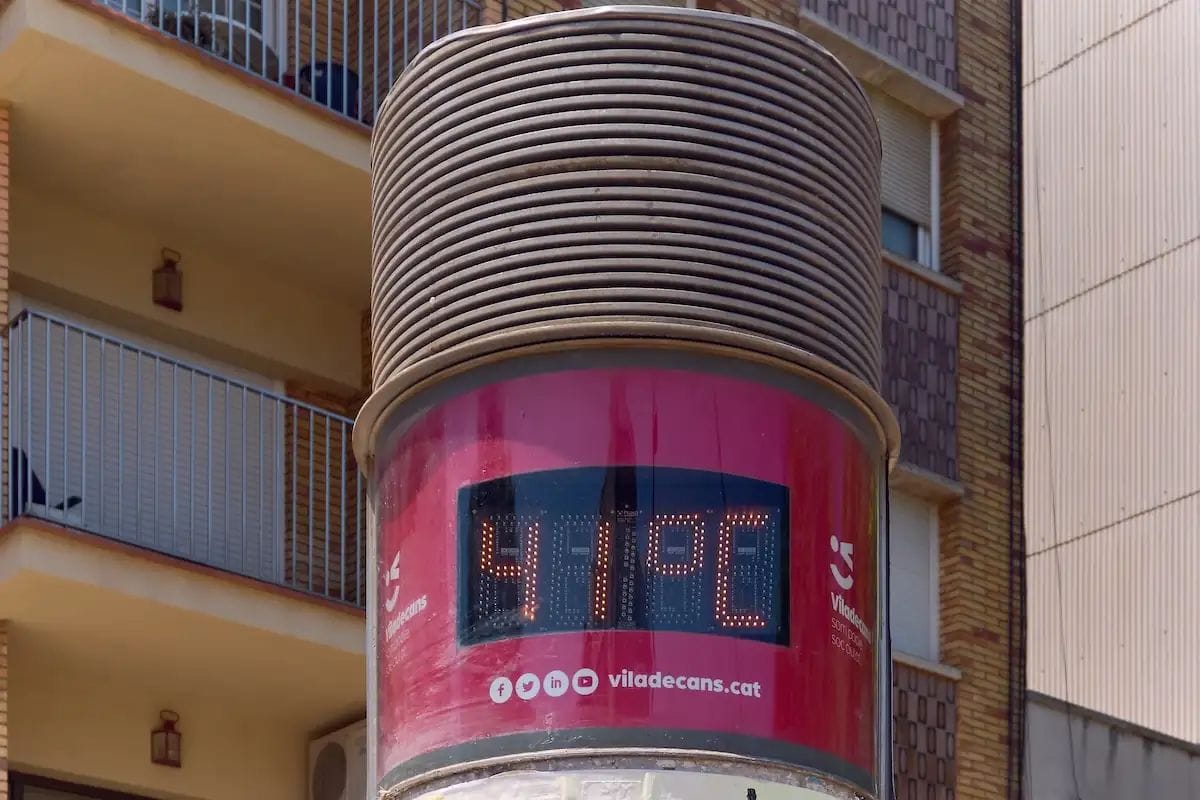
The event arrives at a particularly sensitive moment. High temperatures are no longer an isolated episode and affect health, rest, the use of public space and life in neighbourhoods with less shade or more poorly insulated homes.
For two days, the gathering will bring together climate specialists, public representatives, companies, social organisations and citizens. The idea is not to remain at diagnosis, but to share measures that can be applied in streets, buildings, schools, facilities and public services.
This year’s edition will focus on adapting to extreme heat. Barcelona is working along these lines through Pla Clima and Pla Calor 2025-2035, with measures such as climate shelters, more urban greenery, transformation of public spaces and energy renovation of buildings.
The programme will include talks and round tables on health, urban strategies, vulnerable neighbourhoods and the role of productive sectors. International voices from cities such as Melbourne, Dublin, Paris and Phoenix will also take part, alongside representatives of the C40 Cities network.
For residents, these debates have a very concrete translation. Talking about climate adaptation means thinking about where to take shelter in a heatwave, how to protect children and older people, which schoolyards need shade or which buildings need improvements so that they do not become ovens in summer.
The sessions will also serve to present the 4th Premis Agenda 2030 Barcelona + Sostenible, which will recognise projects linked to decarbonisation, water saving, protection from heat and urban sustainability. The “Protegim-nos de la calor” challenge will also gather civic commitments to reduce risks during the most extreme days.
The meeting at Ca l’Alier will not be only a technical event. It will be a way of measuring the extent to which the city is prepared to live with more heat, less room for improvisation and an increasingly urgent need: to adapt neighbourhoods before every summer tests them again.