
News
Barcelona, World Capital of Architecture 2026: activities you cannot miss
For years Barcelona has established itself as a city where architecture takes centre stage. This year it will do so even more. A total of 1,500 activities across every district usher in Barcelona World Capital of Architecture 2026, which also coincides with the Gaudí Year, marking 100 years since his death.
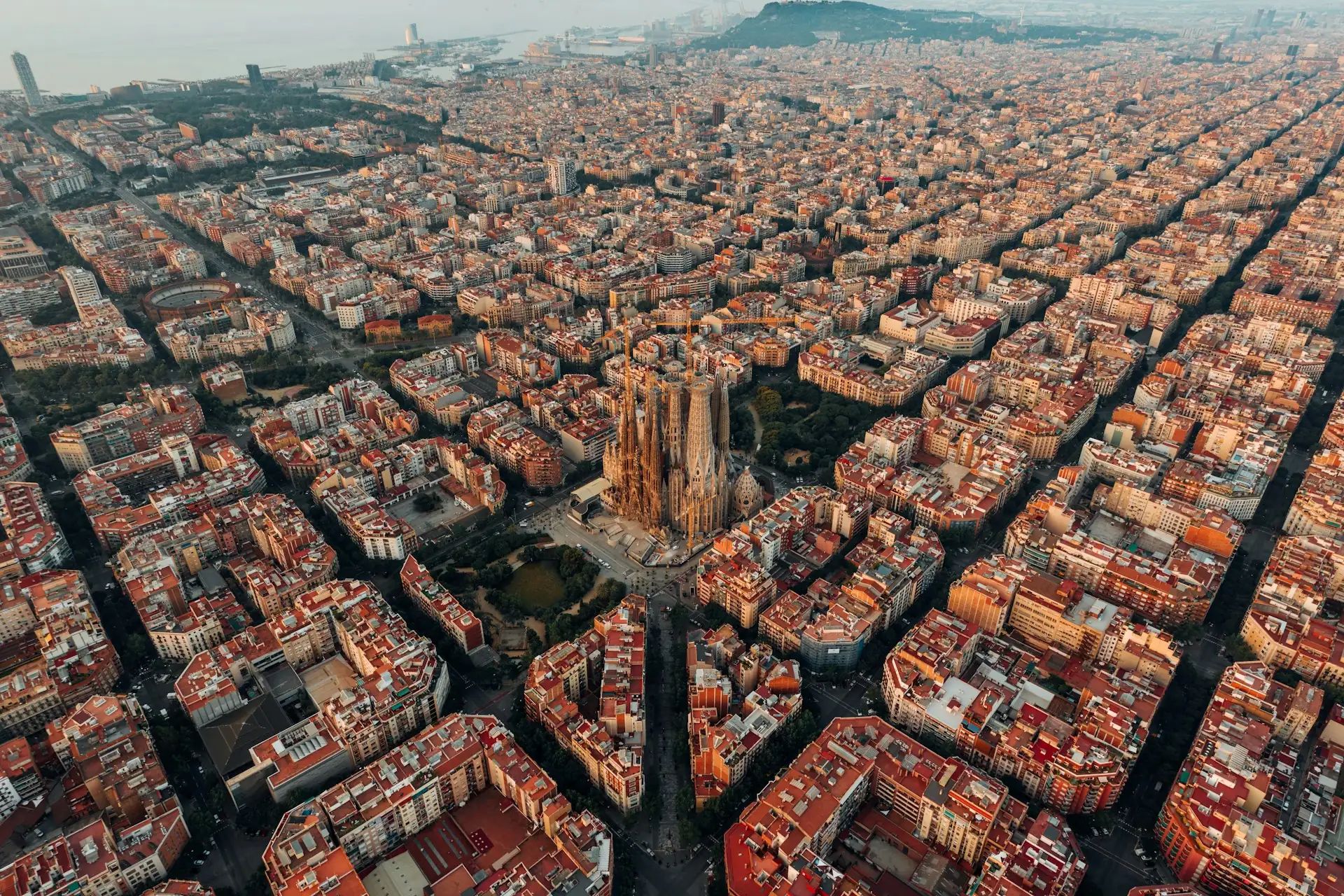
Barcelona is already the global epicentre of architecture in 2026, chosen by UNESCO and the Unión Internacional de Arquitectos. And its citizens and visitors feel truly proud. For many reasons: for being a cosmopolitan city, for being a benchmark in monuments, for transforming itself and making way for modern buildings that converge with those from many years ago.
More than 1,500 activities across the city
Summarising all the activities held throughout this year thanks to architecture in the city is no easy task in a few lines.
According to Barcelona City Council, the programme of activities for the 2026 World Capital of Architecture, which will run from February to December, includes more than 1,500 activities in the city's ten districts: exhibitions, routes, workshops, open days, visits, installations, conferences and competitions.
One aim: to champion the heritage and talent that exist in the city and, at the same time, to explain how transformative urban planning and architecture are.
10 months, 10 districts, 10 venues. This is how the number of activities in this major event can be summed up, an event in which architecture is on the side of the city, as it always has been: once a little more hidden and, for years now, the very history of Barcelona that opens up to the most important artists of all centuries and to the newest ones.
The event highlights Barcelona's urban diversity with a perspective that goes beyond its best-known spaces. For this reason, for ten months each district will take centre stage with activities that bring architecture closer to its immediate surroundings.
Photo by barcelona.cat
Museums and the capital status of architecture in 2026
In addition to exhibitions and routes through the best buildings and monuments, Barcelona's museums establish themselves as the museum facilities hosting a variety of programmes.
Museu d’Història de Barcelona, Fundació Joan Miró, Disseny Hub Barcelona, Pavelló Mies van der Rohe, CCCB and Museu Marítim de Barcelona (MMB), MEAM, Reial Monestir de Santa Maria de Pedralbes, El Born. Museu d’Història de Barcelona, La Fabra Centre d’Art Contemporani, MNAC, Santa Mònica, Can Framis, Museu Tàpies and MACBA host a variety of exhibitions.
Among those already on display is Mostra d’Arquitectura Catalana. L’ofici mutant at Oliva Artés. Museu d’Història de Barcelona, open until 8 April. There are more: at Museu Tàpies, Antoni Tàpies. El moviment perpetu del mur can be visited until September, relating the artist's work to broader debates on architecture, industry, graphic design and urban space, among others.
At the MMB, from May onwards, it will be possible to see the exhibition La construcció de la metròpoli, which presents the evolution of Barcelona's urban region through the main urban plans and their impact. Seny i rauxa will also open its doors in May.
Architecture on paper
During March, it is the Les Corts district that hosts the majority of activities for the city's year of architecture.
This is the case with the Architecture on Paper exhibition, at the L’illa Diagonal centre, an exhibition that proposes an original journey through the history of universal architecture through more than 100 models made with paper cut-outs.
Also noteworthy is The Mark of Time: the evolution of the 15 winners of the Premio Rosa Barba, Bienal Internacional de Paisaje, which runs until 8 April at the Oliva Artés. Museu d’Història de Barcelona space.
Meanwhile, The Transformation of Northern Barcelona takes place at the Centre d’Estudis Populars i Arxiu Històric de Roquetes - Nou Barris. An exhibition that, from February to September, will bring together a set of plans, maps and period photographs illustrating the visions and future plans for the district, together with materials showing what this space was like in the past and what it is like today. Current images will make it possible to draw direct comparisons and understand, visually, the evolution of the different places.