
News
The City Council regulates temporary rentals to protect primary residences
Barcelona is taking action on one of the city's major problems: access to housing. The City Council has approved an urban planning amendment aimed at limiting seasonal rentals and strengthening the use of buildings as primary residences.
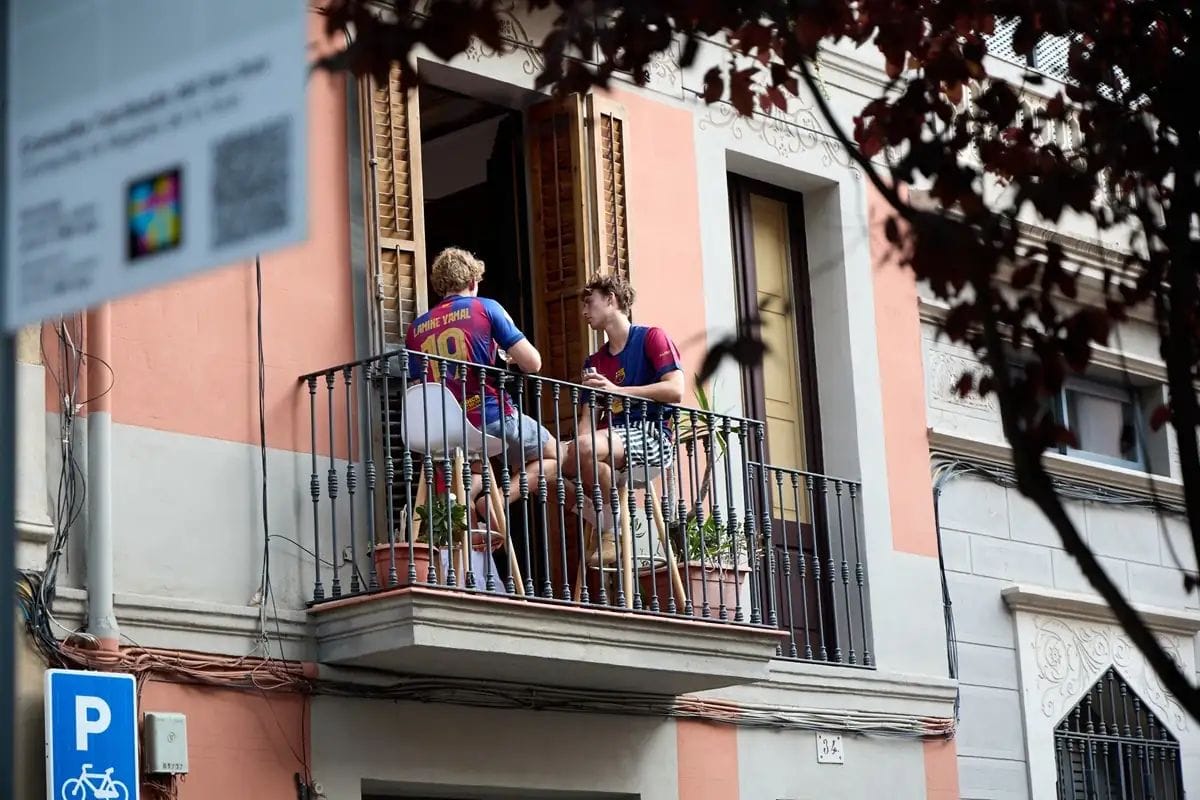
The proposal introduces a clear distinction between types of use: primary residence, second home, and temporary rental for work, academic, or medical reasons. The aim is to prevent short-term rentals from continuing to displace those seeking stable housing in the city.
The plan also paves the way for future regulations that could limit or even prohibit certain uses depending on their impact. These decisions must be based on prior studies on how different types of housing are distributed in Barcelona.
The change comes amid intense pressure on the property market. The city concentrates a large share of temporary and tourist rentals in Catalunya, which reduces the supply available for primary residence and drives up prices.
The measure has already sparked political and legal debate. Some parties question its legal standing, while independent reports support its compatibility with property rights, as it maintains residential use as the main option.
A reorganisation of building use is also being considered, favouring housing on upper floors and reserving ground floors for economic activity—a logic that could change the dynamics of many neighbourhoods.
This urban planning adjustment, the first of its kind in decades, marks a turning point. Barcelona aims to balance the market, protect residents, and redefine how the city is lived in at a time of maximum pressure on housing.