
News
Barcelona debates the future of cycle lanes on pavements after new incidents
The Sindicatura de Greuges demands urgent changes. Cycle lanes on pavements are causing controversy. The risk to pedestrians is increasing in areas with bus stops. The City Council is considering solutions. Find out more about the details and the affected areas.
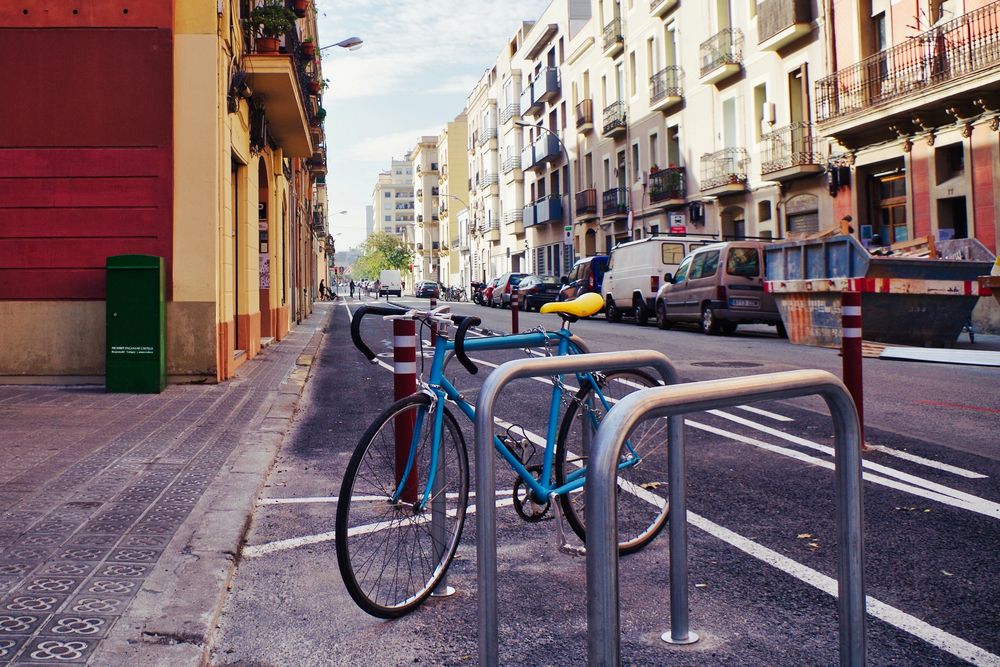
The Sindicatura de Greuges calls for urgent changes. Cycle lanes on pavements are generating controversy. The risk to pedestrians is growing in areas with bus stops. The City Council is considering solutions. Discover the details and the affected areas.
The Sindicatura de Greuges de Barcelona has urged the City Council to remove cycle lanes from pavements, after considering that their presence poses a danger to pedestrians, especially in areas with bus stops. This recommendation comes after analysing a complaint about the cycle route that runs along Calle Marina, in the Eixample, where serious accidents have occurred, including a fatal collision at a bus stop.
The case that prompted the intervention centres on the stretch of Calle Marina between Alí Bei and Gran Via de les Corts Catalanes. There, the cycle lane runs along the pavement and crosses four bus stops served by six routes, as well as being near Monumental metro station and an events venue. The complainant warned of the lack of safety and asked for improved signage, as the coexistence of pedestrians, bicycles and electric scooters is problematic.
The City Council replied that there are horizontal “Give Way” markings and a vertical sign requiring cyclists and scooter users to travel in the designated lane. However, this signage is not uniform in both directions, so it is being considered for reinforcement and drivers may be warned of the proximity of pedestrian areas, requiring greater caution and reduced speed.
The district's Mesa de Movilidad has agreed to move the cycle lane onto the carriageway, although implementation depends on the urban-planning complexity of the area. This measure is in line with the local road-safety plan, which provides for reviewing the design of cycle routes and auditing urban features from a safety perspective.
In recent years, two accidents involving cyclists and pedestrians have been recorded on the Marina stretch covered by the complaint, one in 2023 and another in 2024, although no new incidents have occurred this year. In Dreta de l’Eixample, on Avenida Diagonal, a similar collision in 2019 resulted in the death of a female resident months after the accident.
The Sindicatura insists that pavements should be free of obstacles and prioritise pedestrians, especially older people or those with reduced mobility, who are affected by the presence of cycle lanes, planters and parked motorbikes. The body's latest annual report highlights that these problems infringe the right to accessibility and inclusion.
The Área Metropolitana de Barcelona has a strategic plan to improve accessibility at bus stops, although it does not specifically address the issue of cycle lanes on pavements.
In its resolution, the Sindicatura concludes that the municipal action has not been sufficient and calls for changes to the layout of cycle lanes that run along pavements, prioritising redevelopment on stretches with bus stops, such as Calle Marina.