
News
Barcelona now has 91 second-hand clothing shops and is changing its consumption habits
Buying second-hand clothing is now part of Barcelona's commercial landscape. The city has 91 specialised physical establishments and has made neighbourhoods such as Raval and Gràcia some of the main showcases for a form of consumption that combines savings, the search for distinctive garments and environmental concern.
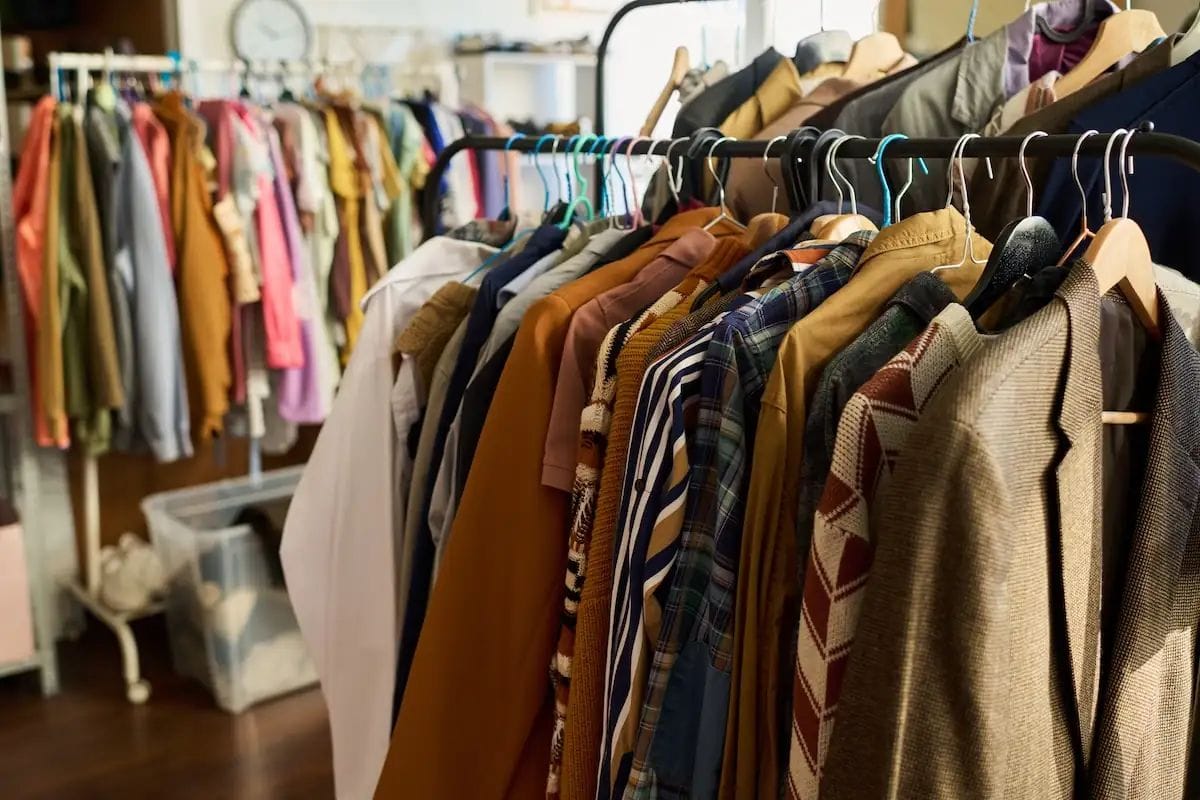
The figure places Barcelona among the European cities with the greatest presence of this type of shop. Only London, Paris, Rome, Berlin, Madrid and Vienna rank ahead, while within Spain only the capital exceeds the number of Barcelona establishments.
The change is especially noticeable on certain streets in the centre and in Gràcia, where vintage and second-hand shops now coexist with fashion chains, small businesses and independent design offerings. For some younger people, entering these premises has ceased to be an exceptional alternative and has become another regular stop when it is time to refresh the wardrobe.
Price helps, but it does not explain the phenomenon on its own. Many shoppers are looking for pieces that are no longer available in current collections, garments from certain brands or clothing with an aesthetic that is hard to find in major chains. Generation Z has contributed particularly to normalising this blend of reuse and individual style.
More than half the establishments analysed are also linked to social organisations. Networks such as Moda re-, Humana, AERESS and Roba Amiga use the collection and sale of textiles to extend the useful life of garments, reduce waste and fund social or employment-integration projects.
The shopping experience itself has changed. Many establishments have left behind the image of a disorganised warehouse and now operate as conventional shops, with classified garments, carefully maintained window displays and premises designed for audiences who may not have considered buying used clothes a few years ago.
The map of 91 shops does not include the entire market either. Digital platforms, private exchanges and temporary markets are left out, so the real weight of second-hand goods in consumer habits is considerably broader than what can be observed simply by counting shop windows.
The effect can be seen on streets where a jacket can begin a second or third life just metres from a new-fashion shop. Barcelona is thus incorporating reuse into everyday retail and turning something that for years was associated with saving money into a choice that also speaks of style, waste and how long we want the clothes we buy to last.