
News
Barcelona unveils new sustainable paving on Gran Via between Gràcia and Rambla Catalunya
Barcelona is testing the paving stone of the 21st century on Gran Via. The paving aims to reduce the carbon footprint. The City Council is backing urban innovation. Find out how the city will change. Will this be the future of Barcelona pavements?
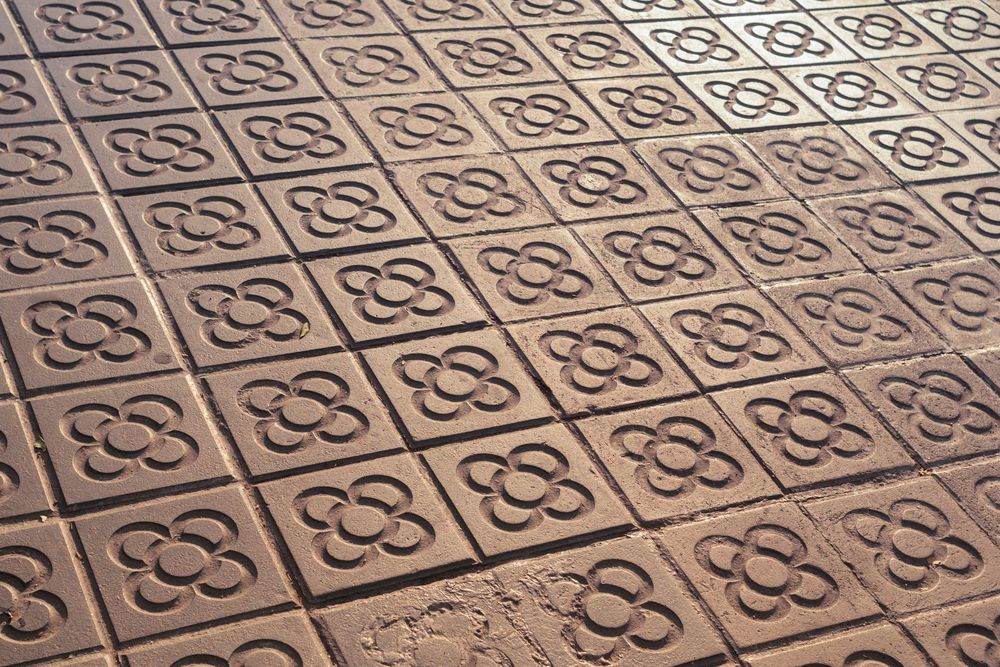
Barcelona takes a further step towards urban sustainability with the installation of the new 21st-century panot on the central Gran Via de les Corts Catalanes, between Passeig de Gràcia and Rambla de Catalunya. The City Council has launched the second pilot test of this innovative paving here, designed to maintain the city’s identity while at the same time reducing environmental impact.
After the first experience in the Poblenou Superblock, the choice of an area as busy as Gran Via will make it possible to see how the material responds to intensive daily use. In addition to the new panots, an information totem has been placed at the corner with Rambla de Catalunya, explaining the project and showing in real time how many pedestrians walk on the new surface.
Laia Bonet, first deputy mayor, has stressed that the 21st-century panot represents the possibility of innovating without losing Barcelona’s essence, by committing to reducing the carbon footprint and improving quality of life. In the first test, carried out in March on Almogàvers street, aspects such as resistance, slip resistance, depth, colour stability, drainage, acoustic behaviour and ease of cleaning were analysed, with positive results according to the council.
In this new phase, breakage of the pieces, resistance to rotation, durability and ease of replacement will also be assessed, as well as the material’s physical behaviour. If the results remain satisfactory, the City Council plans to progressively incorporate these panots into future public-works contracts, gradually replacing traditional models.
The project, promoted by the BIT Habitat Foundation, was born in 2022 with the aim of redesigning Barcelona’s panot, maintaining its appearance but incorporating recycled materials and innovative solutions to reduce the ecological footprint and encourage the circular economy. The new design stands out for its greater durability, reusability and permeability, facilitating more sustainable water management in the city.