
News
The City Council wants to protect iconic shops with a fund
Barcelona is considering a new approach to try to stop the disappearance of its historic shops. The City Council wants to set up a fund that would allow the purchase of iconic premises when they go up for sale and are at risk of changing activity or closing down for good.
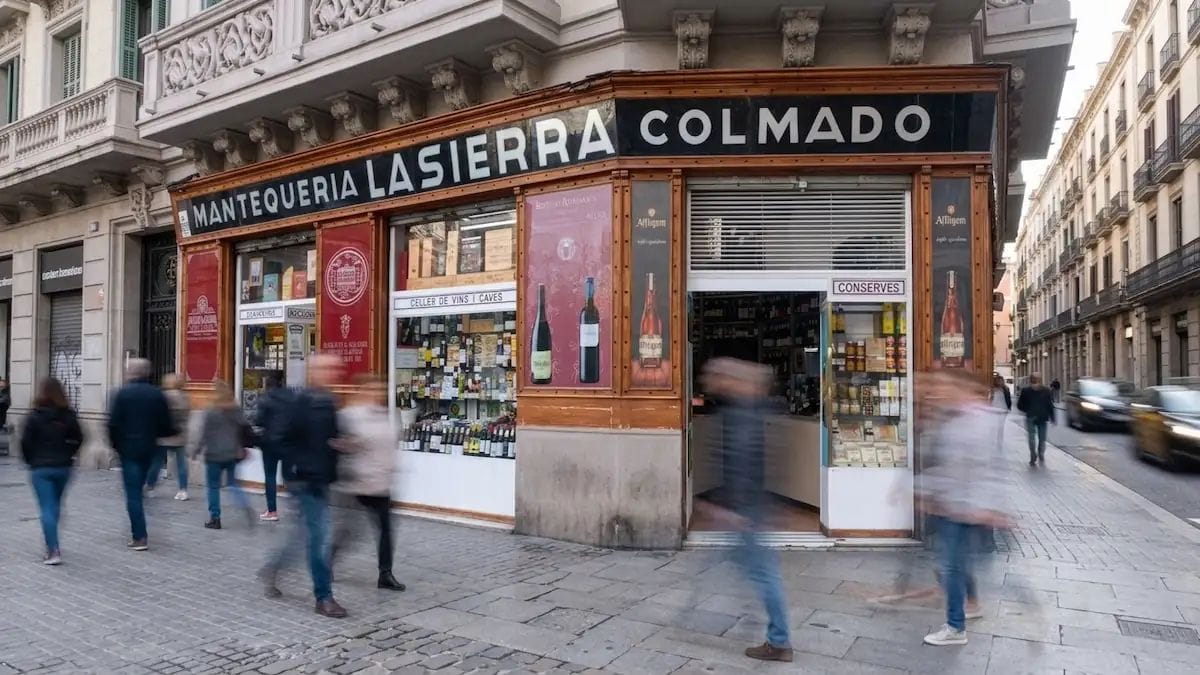
The proposal, presented by mayor Jaume Collboni, involves opening a debate with the Generalitat before the end of the year on creating a right of first refusal and withdrawal for this type of establishment. The idea is for the authorities to be able to step in before the properties are transferred to other buyers.
The focus is especially on the commercial areas most exposed to property pressure and tourism. In these areas, many traditional businesses have disappeared in recent years because they could not cope with rising rents or because the premises were sold to new operators.
The plan is not limited to buying properties. The PSC municipal group will also bring a proposal to the full council to call on the central government to change the Ley de Arrendamientos Urbanos to allow regulation of rents for local shops and establishments considered iconic.
The aim is to introduce similar tools to those that exist in other areas to prevent rent increases from forcing the closure of businesses with decades of history. The City Council argues that the survival of these establishments often depends more on the price of the premises than on the business itself.
Collboni believes that planning regulations have helped to organise part of commercial activity, but have not prevented the disappearance of traditional shops. That is why he proposes combining urban planning with new measures for economic and heritage protection.
The proposal comes at a time when numerous traders' associations are warning about the constant turnover of businesses in neighbourhoods such as the Gòtic, the Born, the Eixample or Gràcia. The loss of historic establishments is a concern both for their economic value and for the role they play in the identity of each neighbourhood.
The project still requires legal changes and agreements between different authorities before it can become a reality. The measure leaves open a debate about how far public intervention should go to preserve traditional commerce in a city where property pressure continues to transform the urban landscape.