
News
Barcelona matches March's usual rainfall in just eight days
The latest levante storm has brought heavy rainfall to Barcelona. In just one week, the city has already reached the monthly average rainfall. Some neighbourhoods have exceeded 50 litres per square metre. The weather remains unstable.
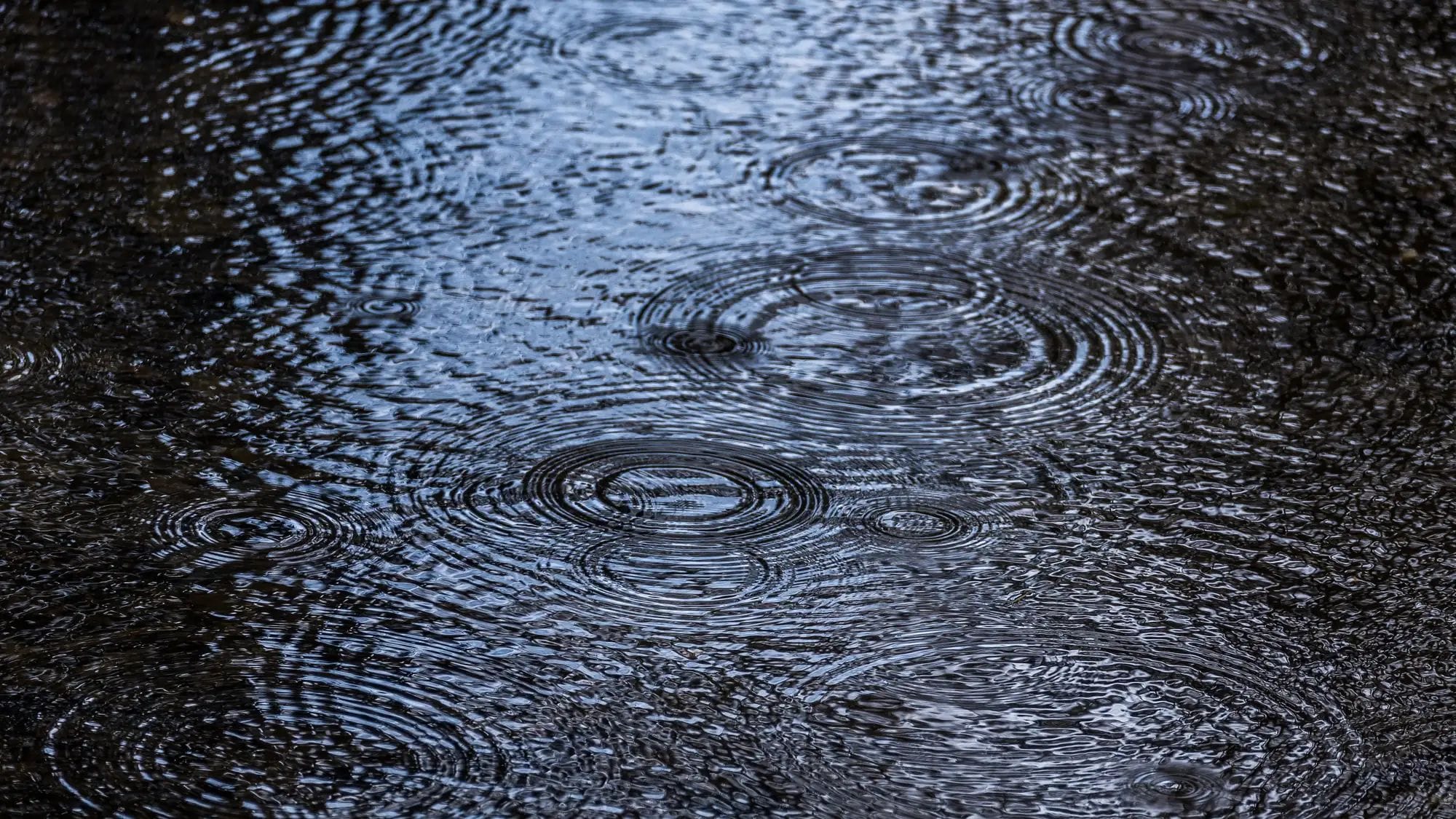
The latest easterly storm has brought heavy rain to Barcelona. In just one week, the city has already reached its average monthly rainfall. Some neighbourhoods have exceeded 50 litres per square metre. The weather remains unsettled.
The start of March has surprised Barcelona with rain not seen for months. In just eight days, the city has received as much water as usually falls throughout the whole month, disrupting routines and filling the streets with umbrellas.
Last week's easterly storm has been the main feature. Rainfall has exceeded 40 litres per square metre in almost every neighbourhood, and in elevated areas such as El Rectoret, on the other side of the Collserola ridge, it has come close to 70 litres. Sant Gervasi and Vallcarca have also been close to 60 litres, while many points in the centre and upper part of the city have exceeded 50.
The rain fell steadily and without incident, spread across four key days, especially last Thursday and Friday. These episodes have been enough to fill the rain gauges and restore to the city an image that has been unusual in recent months.
The impact is clear in the official records. At the Observatori Fabra – RACAB, 53.9 litres have accumulated, almost exactly matching the March climate average of 53.8. In Les Corts, another reference point, 50 litres have been collected, exceeding the monthly average of 47.8. However, in the strip closest to the sea, such as El Prat Airport, the average has not yet been reached: 36.1 litres have fallen there compared with the usual 41.7.
The weather remains active. Although a respite is expected in the coming days, models indicate that atmospheric dynamism could bring further rain next weekend, especially on Saturday. There is still uncertainty, but spring seems to be arriving early in Barcelona.
The llevantada is a meteorological phenomenon characteristic of the Catalan coast, especially in spring and autumn. It occurs when easterly or south-easterly winds carry moist air from the Mediterranean inland, causing heavy, persistent rain. These situations tend to benefit areas such as Collserola and Barcelona's upper neighbourhoods, where the terrain multiplies the amount of water collected. Although they sometimes cause complications, they are also essential for replenishing aquifers and reservoirs after long periods of drought.