
News
La Marina faces its biggest urban transformation with 12,000 homes and new services
La Marina is entering a new phase, and the changes are already becoming noticeable in the neighbourhood. The Ayuntamiento de Barcelona will allocate 50 million euros until 2028 to prepare for an urban transformation that includes the construction of 12,000 homes and the arrival of around 30,000 new residents over the next decade.
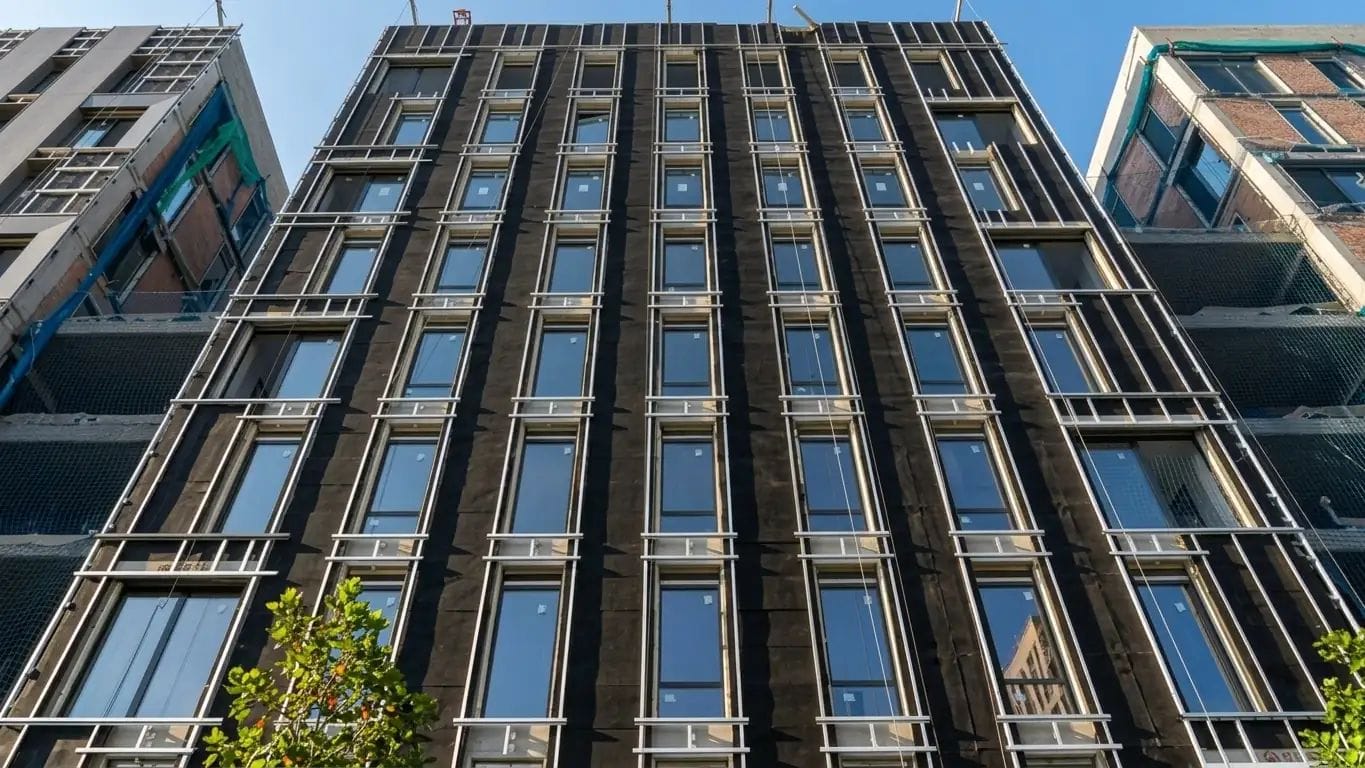
Growth will be especially visible around Zona Franca, where the city wants to avoid mistakes made in other urban developments: more population without sufficient services. Half of the future homes will be officially protected housing, and the municipal plan includes parallel investment in mobility, education, facilities and public spaces so that the neighbourhood grows in a more balanced way.
One of the most important projects will be the comprehensive refurbishment of Passeig de la Zona Franca. The idea is to turn this major thoroughfare into an axis that is much greener and friendlier for pedestrians and bicycles, reducing the prominence of cars. The final design will be ready in 2028 and will follow a logic similar to that applied on the Meridiana: more trees, wide pavements and cycle lanes in the middle of the corridor.
Mobility will also begin to change sooner. The V5 bus line has already been extended and the City Council plans to activate a new direct connection with central Barcelona before the end of the year. The aim is to improve La Marina's relationship with the rest of the city and make daily journeys easier, which remain long or uncomfortable for many residents today.
The plan also includes 43 specific actions distributed throughout the neighbourhood. They include a new municipal nursery school on Illa Acer, refurbishment of the Iberia football pitch and several educational projects to strengthen public provision. The Institut del Disseny de les Arts Gràfiques will also be moved, and the Enric Granados school will become an institute-school.
Beyond the visible works, the City Council wants to strengthen the area's commercial and social fabric. Local premises will be promoted and a specific technical role will be added to energise businesses and identify the services the neighbourhood really needs as its population increases.
For years, La Marina has appeared in Barcelona's urban-planning plans as one of the city's major expansion areas. Historically linked to industry and the logistics activity of Zona Franca, the area had for decades remained disconnected from the more visible growth of other neighbourhoods. Now, the challenge is not only to build homes, but to ensure the neighbourhood gains life, services and urban connections without losing its own identity.