
News
Residents and technicians will jointly decide the priorities for refurbishing the Trinitat Vella neighbourhood
Trinitat Vella faces a new stage of urban refurbishment. Barcelona City Council has launched the Compromís per la Trinitat Vella, a strategy designed to improve the condition of 75 buildings, 432 homes and 29 premises in one of the neighbourhoods most in need of renewal in the Sant Andreu district.
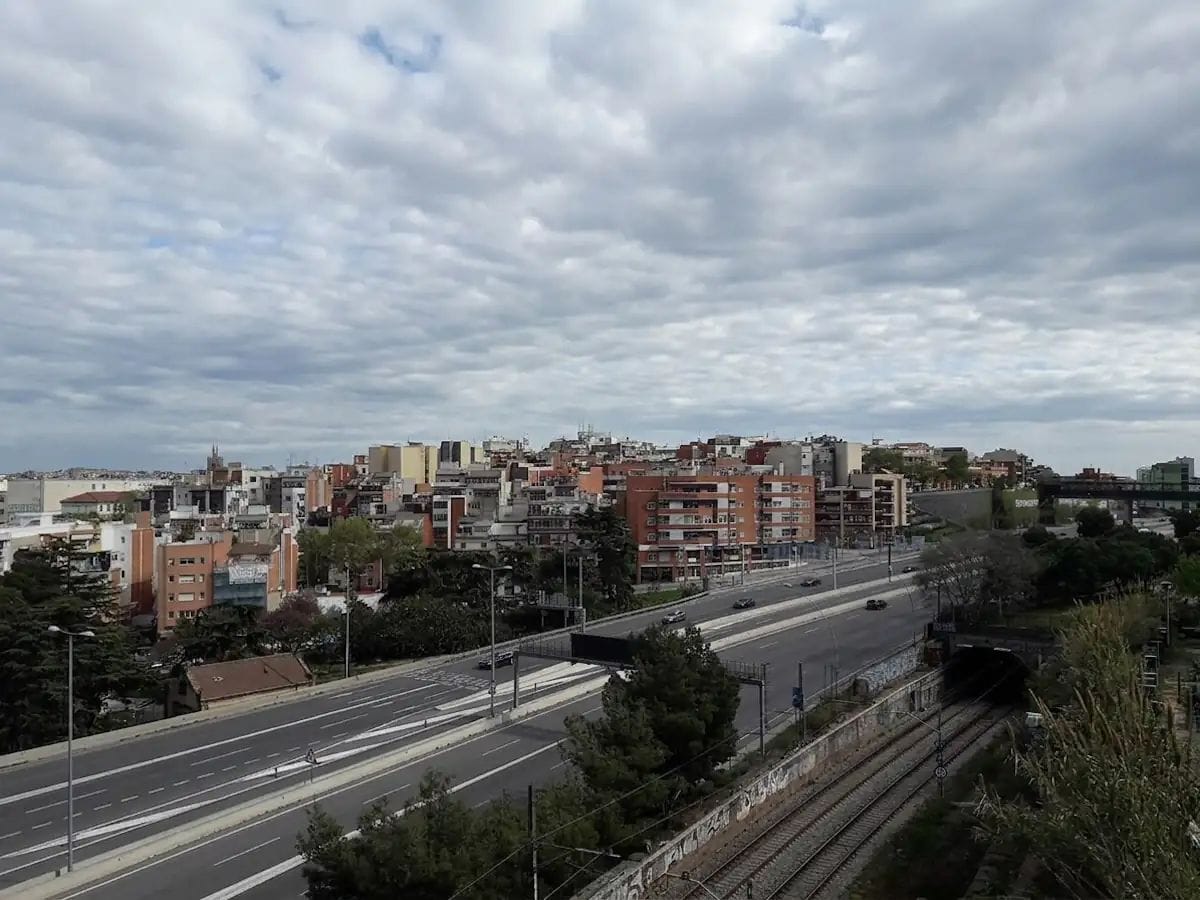
The plan will not be limited to carrying out works from an office. The idea is to create a monitoring committee where residents, organisations and municipal technicians can set priorities, review progress and identify problems before they become entrenched. This forum will meet three times a year and will include representatives from areas such as Urban Planning, Social Services and the Institut Municipal de l’Habitatge de Barcelona.
The measure comes to a neighbourhood where many buildings have accumulated decades of wear, insufficient maintenance and problems that directly affect daily life: accessibility, safety, the efficiency of buildings and the condition of commercial premises or common spaces. For many residents, refurbishment does not mean beautifying façades, but living with less uncertainty at home.
The City Council will also set up a technical office to support the process. Its role will be to supervise the work, resolve incidents and provide clear criteria to the monitoring committee. In an intervention on this scale, that presence may be key to preventing residents from getting lost among procedures, deadlines and technical decisions that are difficult to understand.
From Sant Andreu, the project is presented as an opportunity to restore residential dignity and strengthen neighbourhood pride. Trinitat Vella has a very marked local identity, but also a long list of urban needs that cannot be resolved through isolated actions. That is why the approach combines housing, participation and ongoing monitoring.
The challenge will be to ensure that the commitment does not remain a declaration of intent. The refurbishment of 432 homes can improve safety, reduce inequalities between neighbourhoods and allow many families to live in more comfortable, better maintained buildings. But its real value will depend on how it is carried out: with clear information, listening to residents and works that respond to concrete problems, not merely to an institutional photo opportunity.
For Trinitat Vella, this plan may mean more than refurbishing buildings. It may be a way of putting the neighbourhood back on the map of Barcelona's urban priorities, not as an area awaiting intervention, but as a place where investing in housing also means investing in community, rootedness and quality of life.