
News
Barcelona drives new green neighbourhoods and public housing in its major urban transformation
Barcelona is committed to sustainable neighbourhoods and affordable housing. Find out how the city is reinventing itself with projects like Marina del Prat Vermell y Glòries. More green spaces and social cohesion in every district. Want to know what's changing in your neighbourhood? Read the full report.
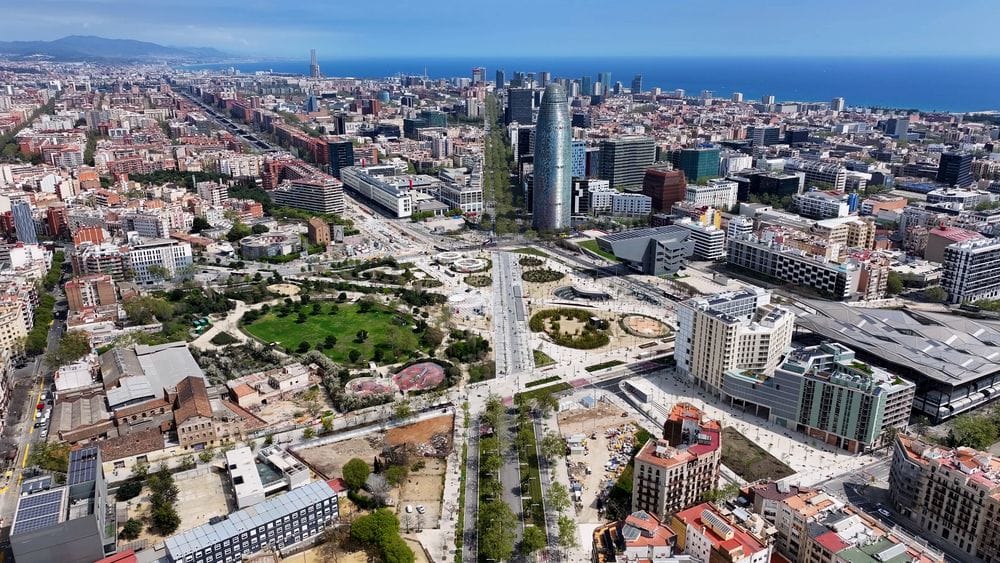
Barcelona is committed to sustainable neighbourhoods and affordable housing. Discover how the city is reinventing itself with projects such as Marina del Prat Vermell and Glòries. More green areas and social cohesion in every district. Want to know what is changing in your neighbourhood? Read the full report.
Barcelona is undergoing a profound urban transformation that is redefining its future. The city prioritises the development of sustainable neighbourhoods, the creation of public housing and the expansion of green spaces. Projects such as Marina del Prat Vermell and the remodelling of Plaça de les Glòries set the pace of this change, with the aim of improving quality of life and ensuring social cohesion in every district.
In Sants-Montjuïc, Marina del Prat Vermell is becoming the most ambitious example of this new Barcelona. The former industrial area is giving way to a modern neighbourhood, designed for thousands of new residents. The project at Carrer de l’Acer, 10, stands out for its commitment to proximity, services and sustainable mobility that connects the area with the rest of the city. New facilities and green areas accompany the arrival of affordable homes, consolidating an environment designed for wellbeing.
At the other end, Plaça de les Glòries has left behind its past as a road junction to become a great green lung. This space, which links the districts of Eixample and Sant Martí, hosts Barcelona's largest protected-housing development: Illa Glòries. With the handover of the first 111 flats out of a total of 238, the project seeks to curb gentrification and ensure that the new green spaces are accessible to everyone. Its location next to the park and public transport reinforces the idea of a city designed for better living.
Urban transformation is not confined to these two major projects. The City Council is extending improved mobility, the creation of green areas and its commitment to sustainability to every district. The objective is clear: access to services and decent housing should not depend on postcode. Barcelona is moving towards a more equitable, resilient city model, prepared for the climate challenges of the future.