
News
More climate shelters and air-conditioning aid for Barcelona families
Access to air conditioning will no longer depend solely on what many families can afford in Barcelona. The City Council has approved a package of measures to expand aid for home climate control and strengthen protection against heatwaves, with the aim of ensuring that the most vulnerable households can face summers in better conditions.
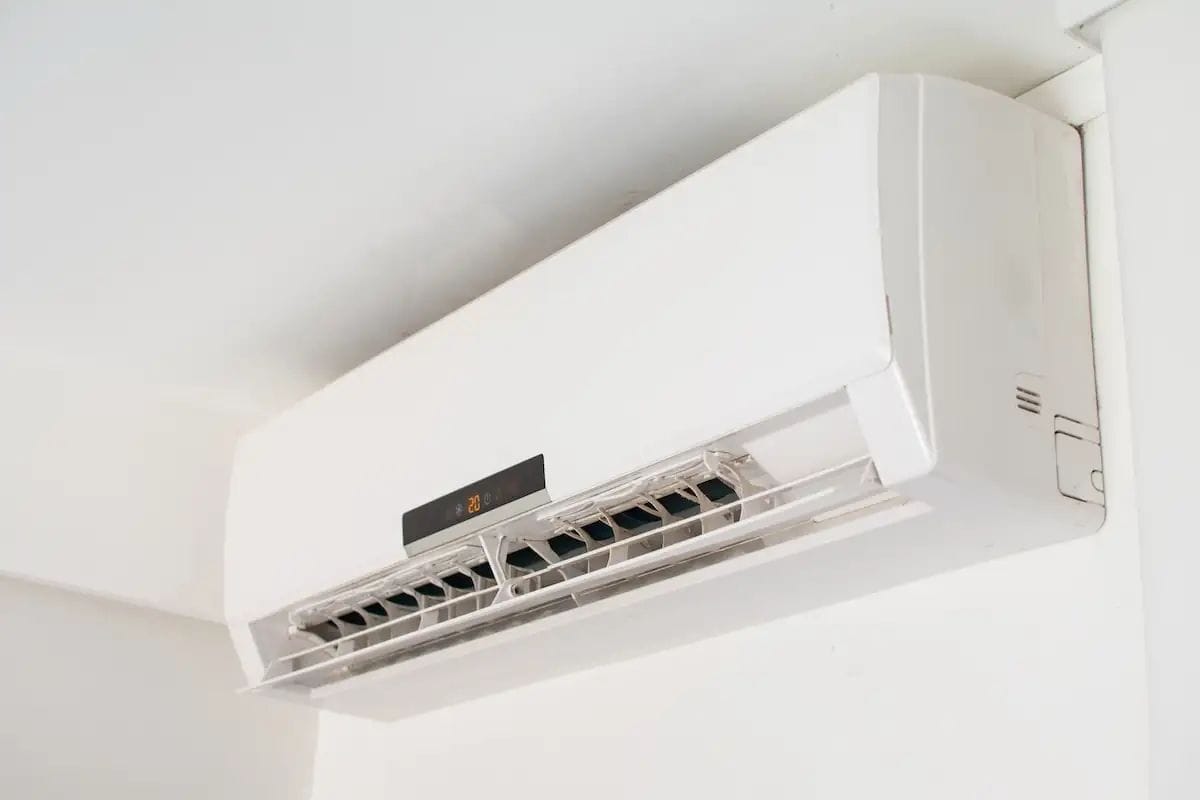
One of the initiatives approved by the municipal plenary session includes a plan endowed with ten million euros a year for at least four financial years. The proposal envisages making it easier to install heat pumps and aerothermal systems in up to 20,000 homes, as well as creating a specific office to manage the grants and support families throughout the process.
This measure is accompanied by the expansion of the Casa Fresca programme, promoted by ERC. The plan includes new aid to install air-conditioning equipment and financial support to meet the cost of electricity during periods of the most extreme temperatures. It also proposes keeping the climate shelters spread across the city permanently open, spaces increasingly used during days of intense heat.
The proposals went ahead after a debate with very different positions among the municipal groups. Junts supported both initiatives and called for expanding the network of green areas and ensuring that climate shelters remain open throughout the summer. PP and Vox, on the other hand, expressed doubts about the creation of a new municipal office and called for the criteria for awarding aid to be defined more clearly.
The municipal strategy responds to an increasingly visible reality in Barcelona. Heatwaves are more frequent and longer-lasting, and their impact is not distributed equally. Older people, those living in buildings with poorer insulation and families with fewer resources bear high temperatures more intensely, especially in neighbourhoods with a shortage of green areas and a greater heat-island effect.
Casa Fresca was created precisely to reduce that thermal inequality. In addition to providing financial aid, the programme promotes improvements to homes and strengthens the network of climate shelters, made up of air-conditioned public facilities where residents and visitors can take shelter during periods of extreme heat.
The same plenary session also approved the awarding of the Medallas de Honor de Barcelona to figures such as Juan de Dios Ramírez-Heredia, Imma Colomer and Mari Chordà, as well as recognising various entities and district figures for their contribution to the city’s social and cultural life.
The measure marks a shift in approach to the municipal response to heat: the aim is no longer only to provide places where people can take shelter when temperatures rise, but to make it possible for thousands of households to maintain comfortable conditions at home during summers that become more demanding year after year.