
News
Barcelona begins its largest renewal of trees and palm trees after the drought
Barcelona is allocating €2.3 million to restore its urban trees. More than 4,000 specimens are still waiting to be replanted. Discover which species and neighbourhoods will benefit most. The plan runs until 2028 and promises surprises.
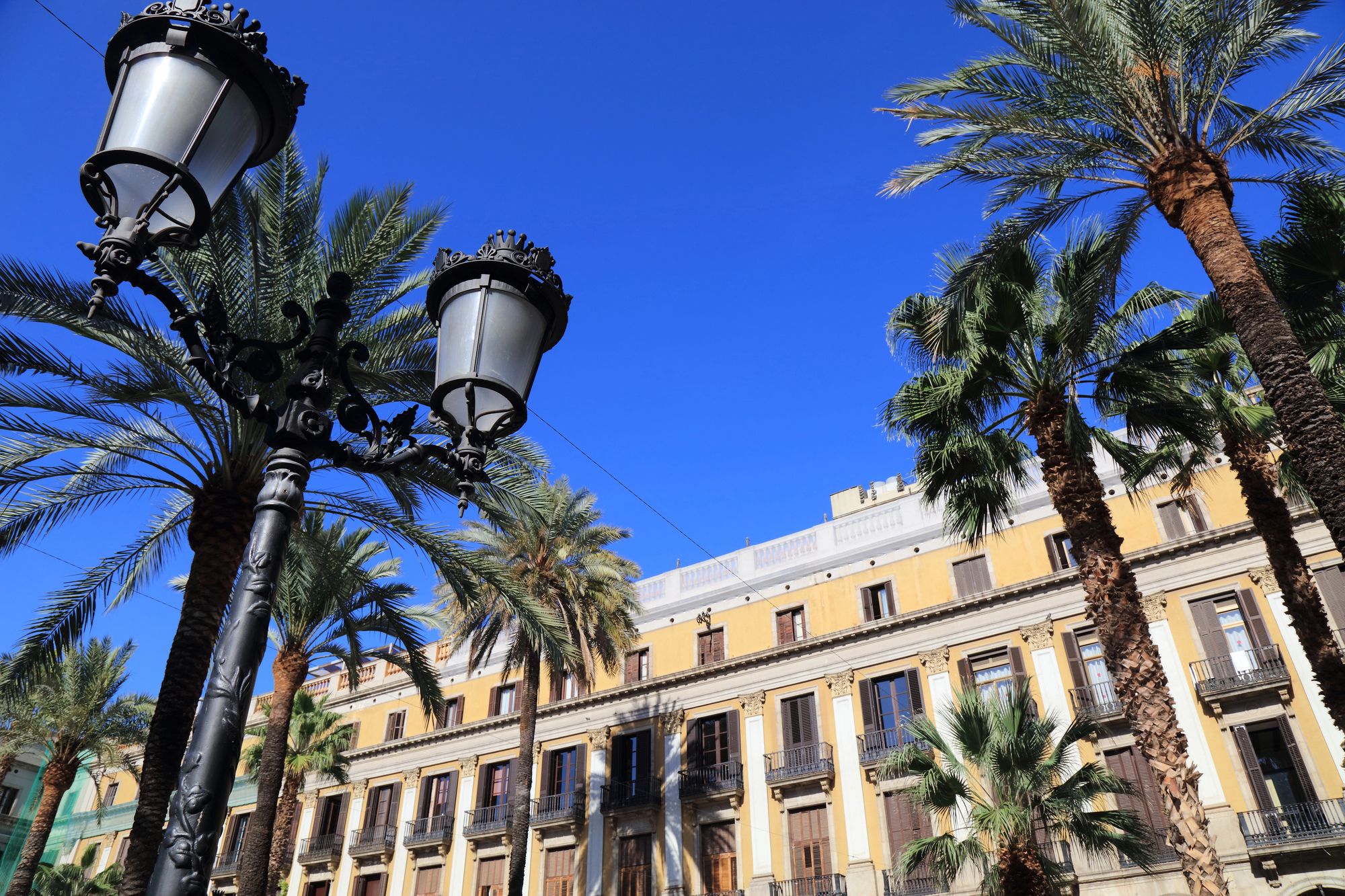
Barcelona is allocating 2.3 million to restore its urban tree cover. More than 4,000 specimens are still awaiting replanting. Find out which species and neighbourhoods will benefit most. The plan runs until 2028 and promises surprises.
Barcelona is launching an ambitious plan to restore its green landscape after years of drought. The City Council will invest 2.3 million euros in replanting trees and palms, with the aim of revitalising the urban tree cover and making up for recent losses.
According to municipal data, the city has around 250,000 trees of 500 different species, essential for environmental quality and residents' wellbeing. However, the drought has caused the loss of 8.2 hectares of shrubs and 52.5 hectares of lawn, as well as a marked increase in the mortality of specimens.
The Institut Municipal de Parcs i Jardins (IMPJB) is prioritising the recovery of these spaces. In the first quarter of 2025, rainfall made it possible to recover more than 40% of the affected trees and shrubs. A total of 3,285 units were replanted, although more than 4,000 are still needed to restore the green balance.
The municipal catalogue protects singular specimens, which cannot be removed. Reforestation projects, with a total budget exceeding 3 million euros through to 2028, focus on parks such as Poblenou, Guinardó and Turó de la Peira, with support from FEDER funds.
The replacement of diseased trees has been awarded to three companies: Ambientalia World will operate in Ciutat Vella, Eixample, Sants-Montjuïc, Sant Andreu and Sant Martí; La Cyca Projects and Services in Les Corts, Sarrià, Gràcia, Horta Guinardó and Nou Barris; and Moix Serveis i Obres will cover all districts under a smaller contract. The first two will plant in pavement tree pits, the third in flowerbeds. The process will last 14 months.
The final number of specimens to be replaced will depend on on-site inspections. The selected species include maples, horse chestnuts, cedars, poplars, elms, lindens, ash trees, plane trees, cypresses, eucalyptus, ficus, jacarandas, mulberries, myrtles, pines, holm oaks, cork oaks, wild cherries, Chinese pistachios and acacias. In addition, more than twenty types of palm trees will be planted, with prices ranging from 200 to 17,500 euros depending on species and size. Trees are considerably less expensive than palm trees.