
News
Barcelona steps up fight against graffiti: over 119,000 removed in 11 months
The Ayuntamiento de Barcelona removes more than 350 graffiti and posters a day. Ciutat Vella leads the interventions. Citizen requests are soaring. Find out which neighbourhoods are most affected and the new challenges of urban cleaning.
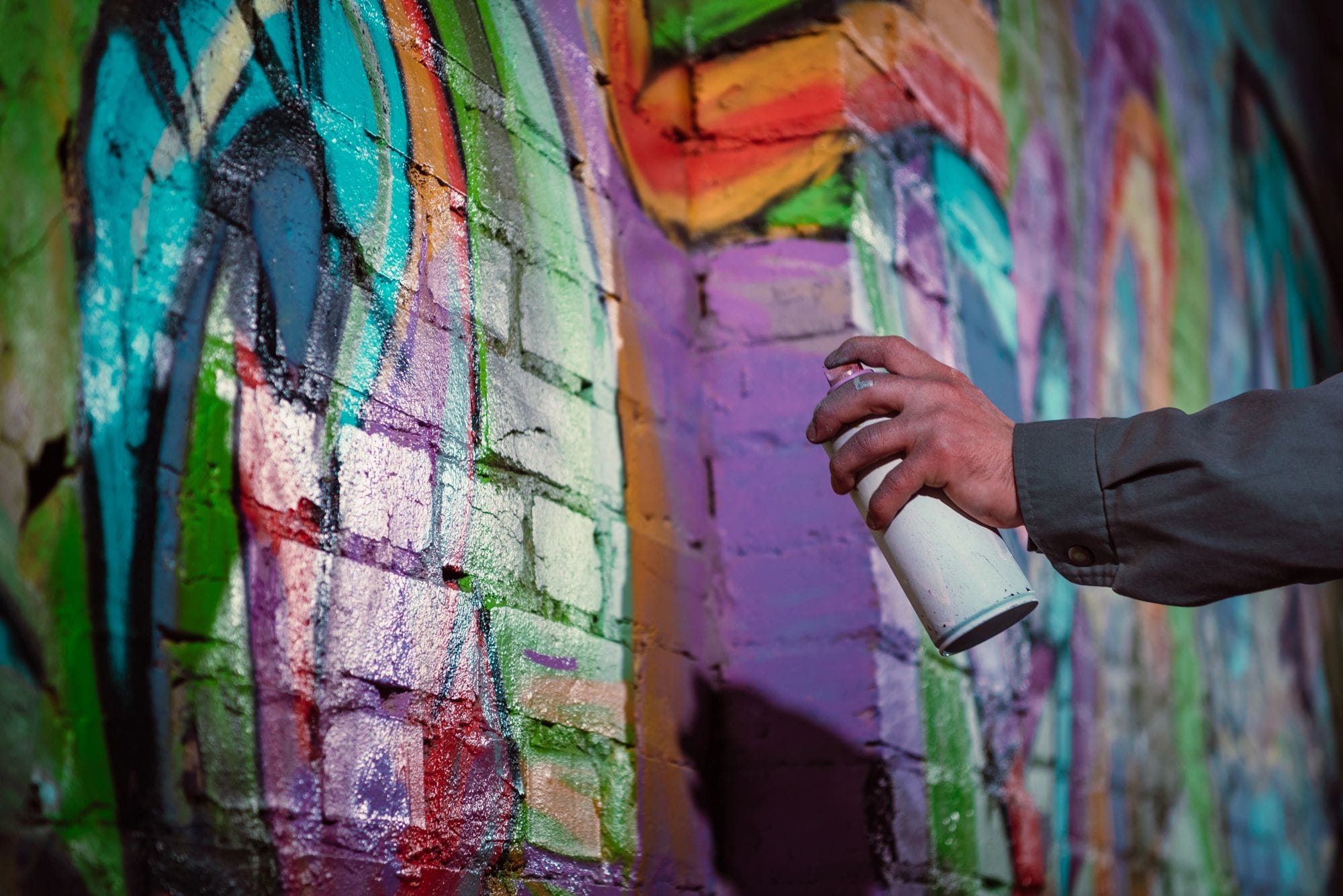
Barcelona City Council removes more than 350 pieces of graffiti and posters each day. Ciutat Vella leads the interventions. Requests from residents are soaring. Discover the most affected neighbourhoods and the new challenges of urban cleaning.
Barcelona has stepped up its efforts to clean its streets: between January and November last year, the City Council removed more than 119,000 pieces of graffiti, posters and banners from public space. This amounts to a daily average of more than 350 operations, spread across more than 30,000 different addresses. The volume represents 75% of all annual interventions by the Cleaning and Waste Management Services.
Cleaning activity has continued to grow. The number of interventions increased by 13% compared with the same period in 2024. However, compared with 2023, the figure remains stable, while in 2022 there were 9% more, with 79,650 operations recorded.
Ciutat Vella has become the epicentre of the problem, accounting for 28% of all municipal interventions: nearly 27,000 in just nine months. It is followed by Sant Martí, with 11,695 operations (12%), and Gràcia, with 10,952 (11.3%). Together, these three districts account for more than half of the clean-ups carried out in the city.
Most actions by the municipal crew focus on removing graffiti, which accounts for almost 75% of the total. Forty-five per cent of interventions are carried out on façades, followed by lampposts (13%), utility cabinets (9%) and infrastructure walls (5.7%). These points have become the usual fronts in the battle against urban vandalism.
In recent years, requests from residents to remove graffiti have grown markedly. Between 2023 and 2024, cases rose from 2,138 to 8,231. By October last year alone, more than 11,000 requests had already been formally submitted. Neighbourhood pressure and the municipal response set the tempo of a city that refuses to concede the battle for public space.