
News
Barcelona will invest more than 100 million in renewing its markets
Barcelona is preparing a new wave of reforms to its municipal markets, with investment of more than 100 million euros until 2031. The measure will affect nine city sites and be felt in the daily lives of many neighbourhoods: more up-to-date buildings, stalls adapted to new shopping habits and more services for residents and traders.
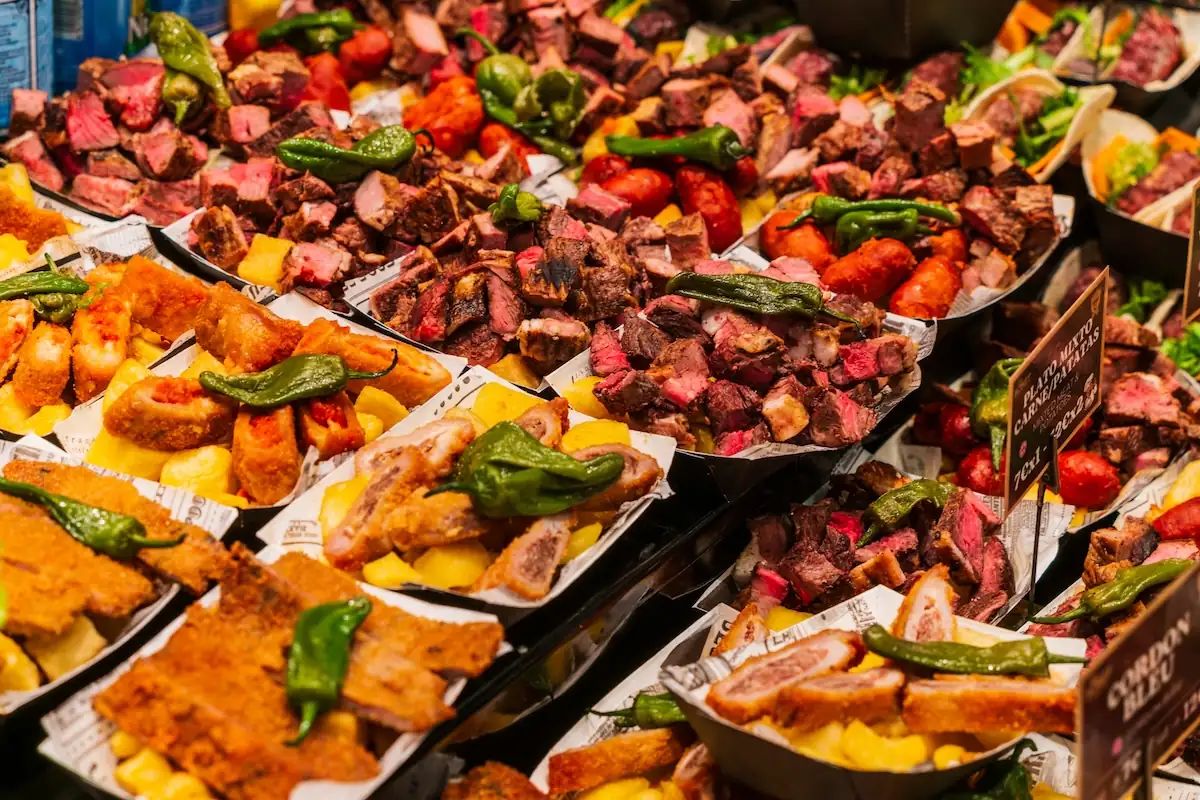
The plan comes after decades of renovations, but important markets still remain in need of updating. The spaces included are Boqueria, Mercè, Galvany, Estrella, Horta, Sant Martí, Canyelles, Hostafrancs and Felip II, progressing at different rates depending on the state of each project.
Annual investment will be around 25 million euros and forms part of the Plan Estratégico de Mercados, which looks ahead to 2036. The roadmap combines building works, maintenance, digitalisation, sustainability and training, with the idea of strengthening facilities that continue to be much more than places to buy food.
The economic impact is no small matter. Municipal markets generate 3.4% of Barcelona's GDP and account for 15% of the city's trade, with estimated annual activity of 561 million euros. In many neighbourhoods, they also function as small covered squares: people shop, talk, have breakfast and keep local commerce alive.
The renovation also seeks to help stallholders adapt to customers who no longer shop in the same way as they did twenty years ago. The plan provides for more business support, assistance for new businesses, economic and legal advice, and tools to facilitate generational succession in a sector where every handover can decide a stall's future.
Digitalisation will be another important front. Barcelona wants to promote online sales channels, home delivery and collection systems such as click&collect, although the change will be made hand in hand with traders. The difficulty lies in modernising without breaking the close relationship that many residents still seek when they go to the market.
The environmental side will also gain weight. Seventeen markets already have solar panels and they are planned for fifteen more. In addition, 35 venues have LED lighting, while waste reduction, separate collection and the use of more sustainable packaging are becoming part of the daily life of these facilities.
The market reforms speak of a Barcelona trying to protect its neighbourhood commerce while daily shopping is changing rapidly. In practice, it is not only about renovating buildings: every market that works well helps to keep streets active, residents shopping close to home and neighbourhoods less dependent on large retail outlets or tourism.