
News
Barcelona limits the number of parking spaces in new housing based on public transport access
Barcelona is changing the rules for new buildings. Access to public transport will determine how many parking spaces can be built. The measure aims to promote more sustainable mobility and affects 28 municipalities.
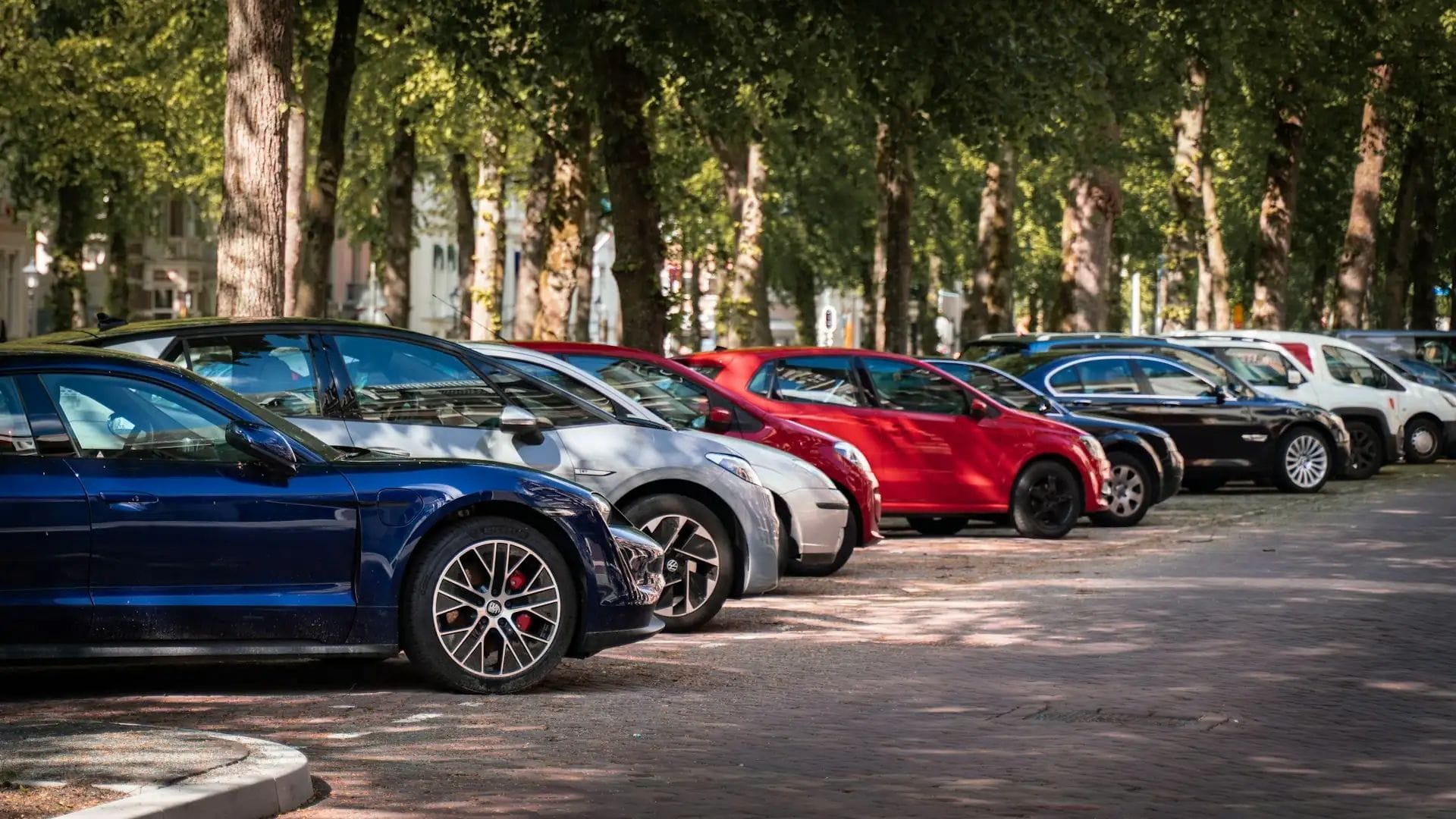
Living in Barcelona and moving into a new flat soon will mean saying goodbye to guaranteed parking. The city and its metropolitan area have decided that, from now on, proximity to the metro, train or bus will be key in determining how many cars can be parked under each new building. The goal is clear: fewer cars, more public transport, and less congested streets.
The new regulation, approved by the urban planning commission for the metropolitan area, marks a turning point in how neighbourhoods and housing are planned. Only new urban development projects will be subject to these rules, which will apply to residential buildings as well as offices, shops, and facilities. The number of parking spaces will depend on each area’s access to public transport, dividing the map into three zones: inside Barcelona’s ring roads, outside but well connected, and municipalities where cars are still essential.
For social housing, the authorities are aiming to remove the obligation to build parking in the first metropolitan ring. This will reduce costs and make it easier to promote public housing, a measure responding to the city’s housing emergency. In these cases, new blocks may have from zero up to one space per flat. For private housing, the minimum will be one space for every four flats, and the maximum will depend on the size of each home.
The streets in new neighbourhoods will also change. On-street parking allocations will be decided according to the type of buildings, mobility planning, and urban design. In pedestrian streets, there will be no spaces at all. The regulation will come into force in the coming days, after its official publication.
The change comes after analysing European models and other Spanish cities, where restrictions on private cars are stricter. The Generalitat and the Área Metropolitana de Barcelona believe that the current Plan General Metropolitano, now fifty years old, no longer meets today’s needs. The rise of e-commerce, changes in transport habits, and the focus on public housing have forced a rethink of mobility and space use.
The new rule also affects hotels, offices, hospitals, and shops, where parking spaces will be calculated according to square metres. For tourist accommodation, the minimum will be one space for every four units, regardless of category.
The authorities stress that this is not about demonising cars, but about adapting to the reality of each municipality and encouraging more sustainable alternatives. Developers welcome the flexibility outside Barcelona, where minimums are maintained and there is room to decide according to the profile of future residents.
The list of affected municipalities includes Barcelona, Badalona, Cornellà de Llobregat, l’Hospitalet de Llobregat, Sant Cugat del Vallès and 23 others, covering almost the entire first and second metropolitan rings.
The Área Metropolitana de Barcelona (AMB) is the body that coordinates urban planning, mobility, and public services in 36 municipalities surrounding the Catalan capital. Its role has been key in transforming public transport, waste management, and the creation of green spaces over the past decade. The AMB promotes policies to reduce car dependency and improve urban quality of life, aiming for a more connected and sustainable city.