
News
The fight against illegal apartments is starting to change neighbourhoods in Barcelona
Finding a flat in Barcelona remains one of the biggest concerns for people living in the city. Amid rental pressure and the tourist transformation of many neighbourhoods, the Ayuntamiento says it has already reclaimed 6,644 illegal tourist flats since 2017, most of which have been returned to residential use.
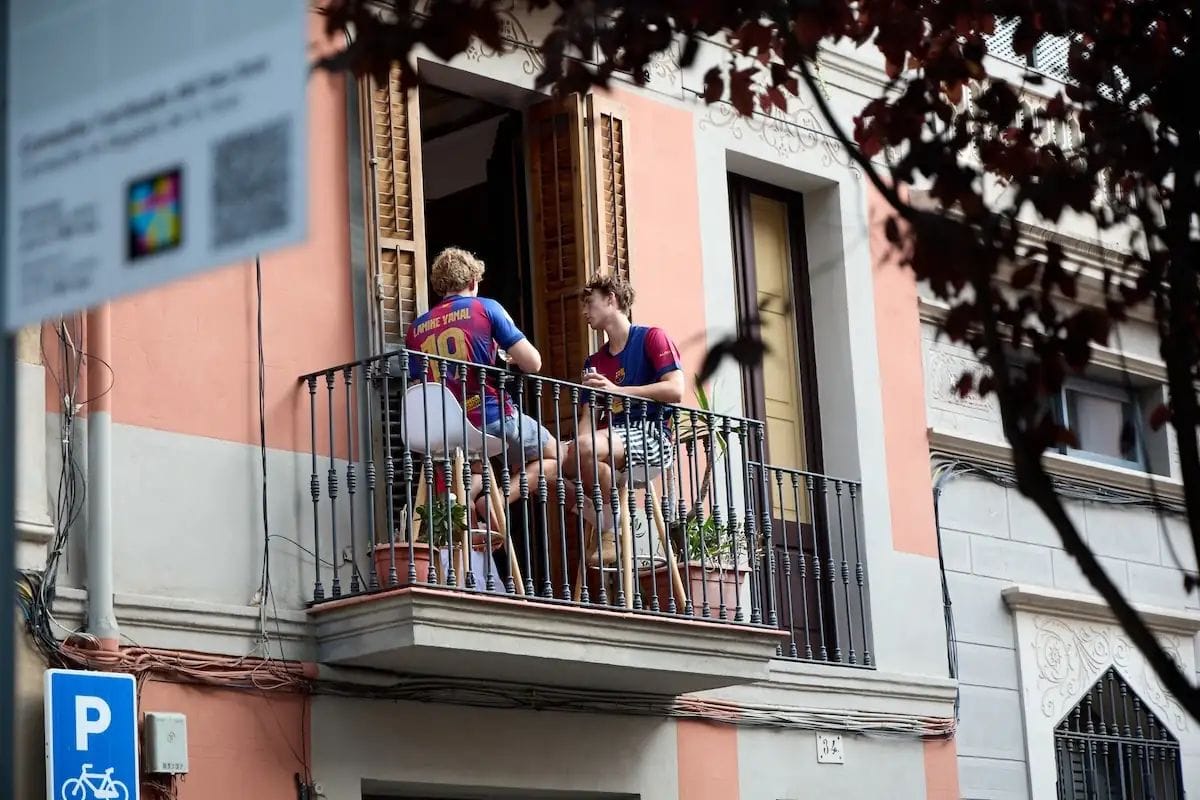
The figure reflects one of the largest urban operations launched in Barcelona against irregular tourist rentals. For years, neighbourhoods such as La Barceloneta, the Gòtic, Sant Antoni and parts of l’Eixample saw numerous flats disappear from the traditional market to become temporary tourist-oriented accommodation, reducing the supply available to residents and driving up prices.
The City Council has allocated 2.5 million euros a year to this control and inspection strategy. Since the special plan began, municipal services have opened more than 16,200 sanction proceedings and issued more than 18,600 cease-and-desist orders against homes operating without a licence.
Tourist pressure remains particularly strong in the most central parts of the city, where tourism's impact mixes directly with residents' everyday life. The recovery of thousands of flats is beginning to ease pressure partially in some neighbourhoods, although housing demand remains far above the available supply.
The plan promoted by the City Council also marked an important change in the way urban tourism is managed in Barcelona. Compared with a model which for years prioritised tourist growth with almost no limits, the city began to reinforce the idea that housing had to remain a space for residents and not merely a tourist asset.
Municipal monitoring continues because the phenomenon remains very present. Digital platforms and the high profitability of holiday rentals maintain pressure on certain buildings and areas particularly attractive to international visitors.
Barcelona has become one of Europe's great laboratories in the regulation of urban tourism and housing. The battle against illegal tourist flats no longer affects only the property market: it also redefines coexistence, neighbourhood identity and the way the city tries to balance tourism, business and everyday life.