
News
Green axes in Eixample: UAB confirms 3.1 dB less noise in central Barcelona
Noise falls in central Barcelona after the arrival of green axes. A study reveals a notable drop in decibels in Eixample. However, levels remain above what is recommended. The urban transformation continues to generate neighbourhood debate.
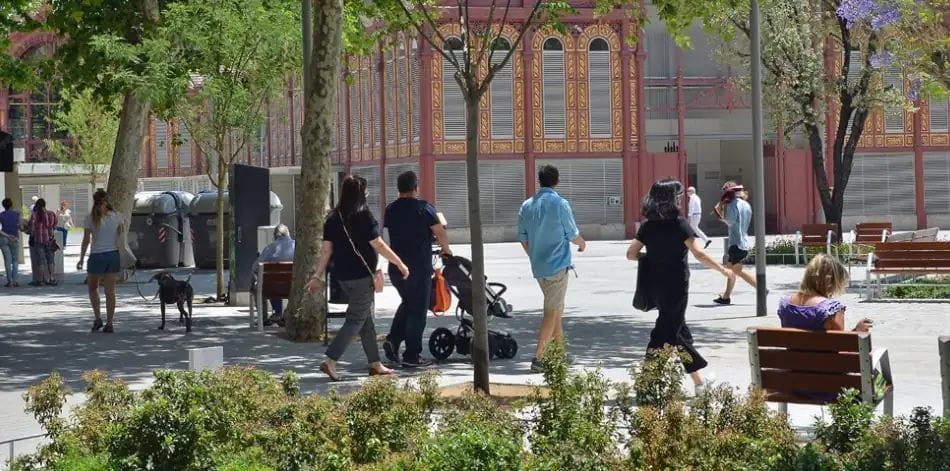
Noise has fallen in central Barcelona following the arrival of the green axes. A study reveals a notable drop in decibels in the Eixample. However, levels remain above those recommended. The urban transformation continues to generate neighbourhood debate.
Everyday life in the Eixample has changed: those walking through its new squares and traffic-calmed streets notice a quieter atmosphere. The reduction in motor traffic and the commitment to green axes have succeeded in lowering ambient noise, an improvement already perceptible in the routine of residents and visitors.
A recent analysis carried out by the Universitat Autònoma de Barcelona confirms that implementing these green axes has resulted in an average reduction of 3.1 decibels in the urban environment. The study, focused on the heart of the Eixample, compared data collected by seven acoustic stations before and after the transformation, revealing that the drop in noise is more evident during the day and on working days.
The squares created at the junctions of traffic-calmed streets stand out as the places where acoustic relief is most noticeable, as they are protected from through traffic. However, the research warns that, despite the improvement, noise levels still exceed the limits recommended by the OMS and the Unión Europea, which place the healthy threshold between 53 and 55 decibels.
The debate over whether pedestrian life could create more nuisance than cars has been present in the neighbourhood. However, the data collected rule out pedestrian bustle exceeding that of motor traffic in the monitored areas, thereby dispelling one of the main neighbourhood concerns.
The Eixample, the epicentre of Barcelona's urban transformation, has become a laboratory for new forms of coexistence and mobility. Its streets, designed in the 19th century to facilitate movement and social life, now seek to balance neighbourhood wellbeing with sustainability. The implementation of green axes and the reduction of traffic form part of a broader strategy to adapt the city to environmental challenges and improve the quality of life of those who live in it.