
News
Barcelona marks a global milestone with the first facial transplant from a donor after euthanasia
A team at Vall d’Hebron has achieved a pioneering operation. The patient, affected by facial necrosis, regains sensitivity and facial features. The procedure opens new avenues in reconstructive medicine. The case has an impact on the global medical community.
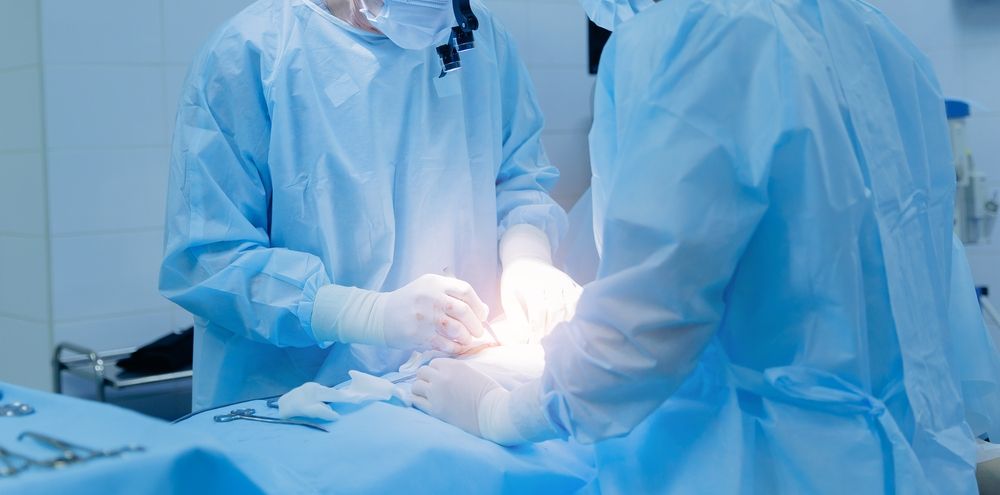
A Vall d’Hebron team achieves a pioneering operation. The patient, affected by facial necrosis, recovers sensation and features. The process opens new paths in reconstructive medicine. The case has an impact on the global medical community.
Life in Barcelona takes an unexpected turn with a medical intervention that is already making its way around the world. Vall d’Hebron hospital has carried out the first face transplant from a donor who died through euthanasia, an advance that redefines the limits of reconstructive surgery and organ donation in the city.
The operation, which required the coordination of a hundred professionals and lasted for hours, has enabled Carme, the patient, to recover sensation and facial features after suffering devastating facial-nerve necrosis. This complication, caused by a bacterial infection, left her in a coma and with half her face seriously affected, making such basic functions as breathing or speaking difficult.
The medical team expects Carme’s full recovery to be completed in September, although notable progress can already be seen in her ability to communicate and make gestures. The news has generated intense debate in the city over the ethical limits and possibilities of modern medicine, placing Barcelona at the centre of European healthcare innovation.
The case not only brings relief to the patient and those around her, but also opens the door to new hopes for people suffering severe facial injuries. The intervention, unprecedented until now, could mark the beginning of a new era in transplants and in the management of organ donation in complex situations.
Vall d’Hebron, one of Barcelona’s leading hospitals, stands out for its ability to tackle medical challenges of the utmost complexity. Its multidisciplinary team has driven advances in transplants, oncology and innovative therapies, consolidating its prestige both nationally and internationally. The hospital maintains close collaboration with research centres and universities, enabling it to remain at the forefront of pioneering treatments and offer responses to cases that until recently seemed impossible.