
News
Barcelona sets a date for fines for not diluting dog urine
From 15 February, dog owners in Barcelona will have to carry water to clean up their pets’ urine. Fines can reach €300. The new ordinance also tightens other rules of urban coexistence.
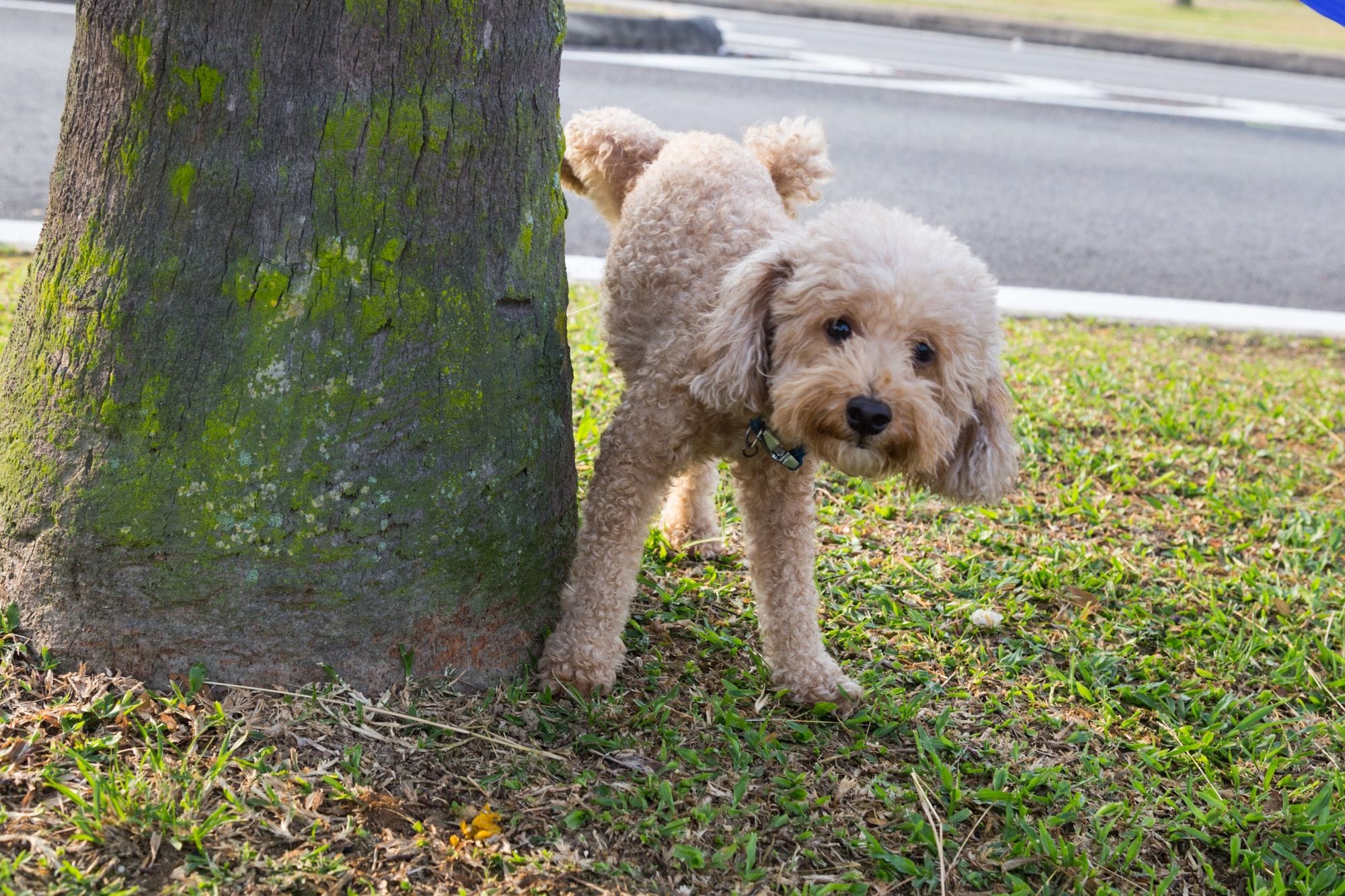
From 15 February, dog owners in Barcelona will have to carry water to clean up their pets' urine. Fines can reach 300 euros. The new ordinance also tightens other rules of urban coexistence.
Those walking their dogs in Barcelona will have to change their habits from 15 February. On that day, the City Council brings into force the new Ordenanza de Civismo, which introduces fines of up to €300 for those who do not dilute their animals' urine with water in public spaces. The measure seeks to curb damage to street furniture and improve the cleanliness of streets and squares, a recurring demand among residents in every neighbourhood.
Over the past few weeks, municipal information officers have toured the city to warn citizens about the changes. The aim is clear: to reinforce coexistence and reduce the inconvenience caused by certain behaviours in public spaces. The rules, revised for the first time since 2006, toughen penalties and expand the situations regarded as infringements.
Among the most widely discussed changes is the obligation to carry water to dilute dogs' urine, except in the case of assistance animals. The council specifies that only water may be used, without adding products such as soap, bleach or vinegar. Failing to pick up animal faeces or failing to place them correctly in bins is also considered a serious infringement.
The ordinance goes beyond animals. Drinking alcohol in the street, especially in the presence of minors or in areas with night-time restrictions, can cost up to 1,500 euros. The popular botellones are fined between €100 and €600. In addition, alcohol-focused tours aimed at tourists are prohibited, with fines that can reach €3,000, in an attempt to reduce noise in sensitive areas.
Urinating in the street, especially in nightlife areas or where public toilets are available, is penalised by up to €750. Graffiti and painted markings in unauthorised spaces are also pursued, requiring offenders to bear the cleaning and repair costs. Displaying sexual elements or going shirtless outside beaches or sporting activities can incur a fine of up to €300.
The ordinance strengthens the work of the Guardia Urbana, which will be able to notify and collect fines from non-residents immediately, especially in serious cases, to prevent tourists from avoiding payment. The City Council estimates that little more than half of the penalties imposed for this type of infringement are currently paid.
The Ordenanza de Civismo de Barcelona is a key tool for regulating coexistence in public spaces. Since its first version in 2006, it has adapted to changes in urban habits and neighbourhood demands. The latest update responds to public pressure for a cleaner and more orderly city, and to the need to act in response to new uses of space, such as mass tourism or the rise in pet ownership. The involvement of the Guardia Urbana and the prior information campaign seek to ensure that the new rules have a real impact on the daily lives of those who live in and visit Barcelona.