
News
Barcelona prepares 35 new trains to cut waiting times on the metro
Barcelona is preparing a new expansion of its metro fleet. TMB has launched the tender for 35 trains worth €330 million, an operation intended to prepare the central section of L9 and increase frequency on conventional lines. The first units are expected in 2029.
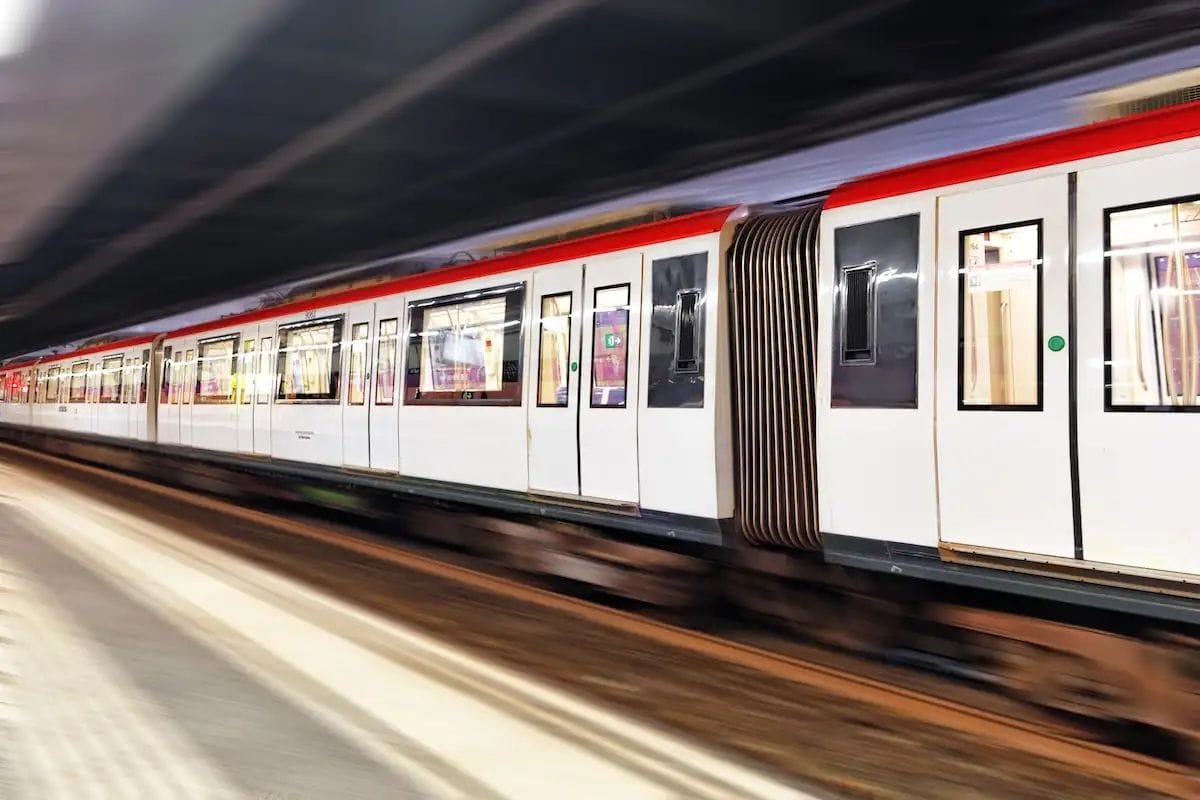
The tender has become topical this 31 August because Alstom, manufacturer of the newest trains on lines 1 and 3, has confirmed that it is considering submitting a bid. The contract has not yet been awarded and, therefore, it is not known which company will ultimately build the new vehicles.
Of the 35 trains included in the tender, 13 will serve to directly reinforce the conventional network. Four will go to L1, three to L2, five to L3 and one to L4. The purchase also provides for the possibility of incorporating four additional units.
The other 22 are related to the future commissioning of the central section of L9, but the move will be somewhat more complex than sending the new trains directly to that line. TMB plans to incorporate new units on L2 and transfer 22 of its current trains to L9, since they belong to the same series used on the automatic sections.
L5 will not directly receive one of the 13 reinforcement trains either, although it will benefit from the reorganisation. When the new units arrive on L3, some of the trains currently running on the green line will be able to move to the blue line.
The final aim is to reduce waiting times across the conventional network. At peak times, L1 would go from around three minutes between trains to 2 minutes and 38 seconds. L5 would fall from 2:29 to 2:15, while L2 would go from 3:15 to 2:50.
The changes will also reach lines with somewhat wider intervals. TMB’s forecast puts L3 at 3 minutes and 20 seconds, compared with the current 3:28, and L4 at 3:26, compared with around 3:57. These are improvements envisaged for when the new fleet has been deployed, not for the coming months.
The purchase responds to growing demand. The metro ended 2025 with 479.9 million validations, 2.4% more than the previous year, and this April it exceeded two million journeys on a single working day for the first time during Sant Jordi.
The current operation should not be confused with the largest train purchase in TMB’s history either. That record belongs to the previous order for 50 units of the 7000 and 8000 series, awarded to Alstom for around 319 million euros. The 26 trains of the 7000 series renewed L3 and the 24 of the 8000 series renewed L1; the last one entered service in June 2025.
That renewal replaced around one third of the fleet and made it possible to withdraw the last trainsets containing elements with asbestos. Now the next phase pursues a different objective: to increase capacity and frequency and have sufficient rolling stock for the expansion of L9.
The tender for the 35 trains is also the second attempt. The previous tender, initially set out for 39 units, received no bids. TMB changed the conditions and relaunched the procedure this summer, allowing one manufacturer to bid for the whole order. The next relevant date will come when the companies submitting bids are known and, subsequently, the successful bidder.