
News
Barcelona wants to make short cruise stopovers more expensive from 2027
Barcelona is preparing a new move to curb stopover cruises. The City Council is considering a substantial increase in 2027 to the municipal tourist surcharge paid by passengers who spend only a few hours in the city, a measure that could make short visits from ships considerably more expensive.
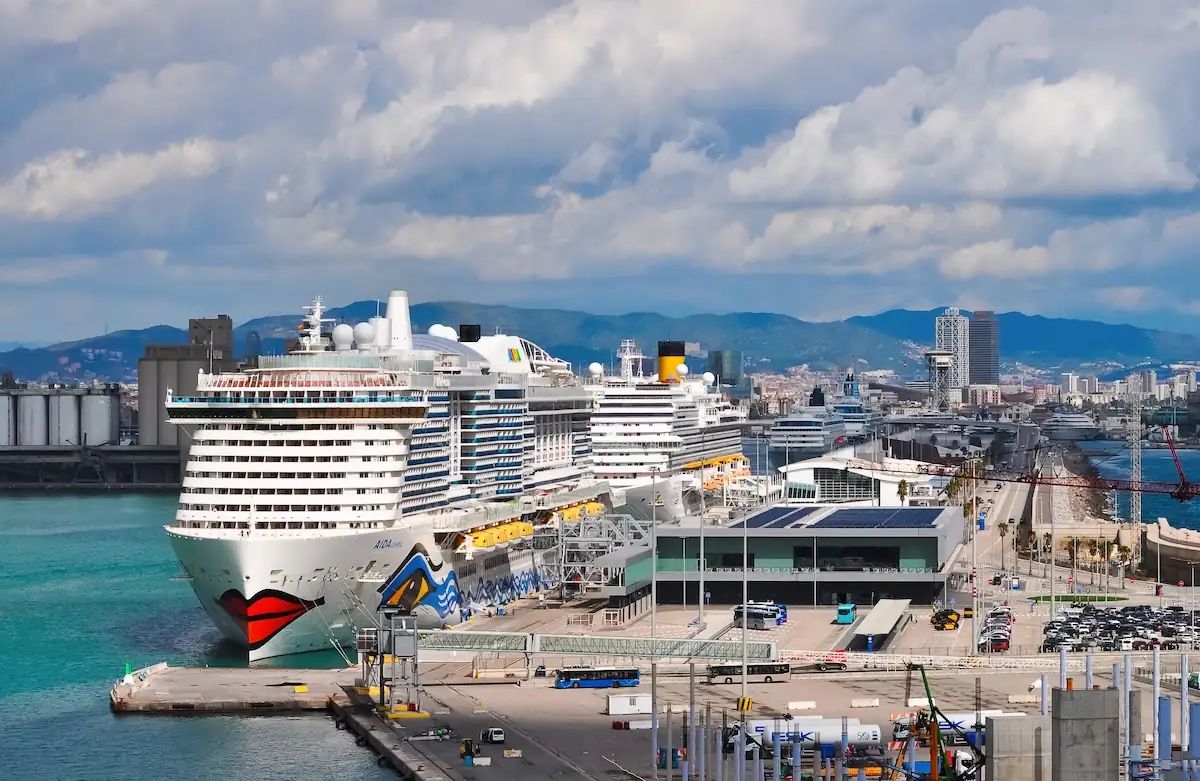
The proposal mainly affects cruise passengers on stopovers, meaning those who disembark for a few hours and return to the ship without spending the night in Barcelona. In the City Council's view, this type of tourism concentrates considerable pressure into a short period, generates less spending than other visitors and overwhelms already heavily crowded areas of the centre.
The plan is to accelerate an increase that was initially intended to be gradual. Instead of waiting for the coming years, Barcelona wants to raise the municipal surcharge sooner and bring it closer to the maximum permitted, with an eye on the 2027 tax ordinances.
The measure fits with an idea the municipal government has been repeating for months: reducing the role of cruises that call briefly and favouring ships that use Barcelona as their home port. The latter tend to generate more overnight stays, more hotel activity and a longer relationship with the city.
The debate is significant for areas such as the Gòtic, La Rambla, the waterfront and the surroundings of Drassanes. When several cruise ships arrive within a few hours, thousands of people converge on the same routes, use transport, occupy public space and increase pressure on areas where residents already live alongside very intensive tourism.
For visitors, the change would be reflected in the final cost of the stopover. For cruise lines, it could change how they schedule Mediterranean routes. And for Barcelona, it opens another discussion about what kind of tourism it wants to attract and how much those who use the city for a few hours should pay.
The proposal still needs to progress politically and fit within the Generalitat's framework, because tourism taxation depends on several levels of government. It could also create tension with the cruise industry, which defends its economic impact and its ability to bring activity to the port and the city.
For residents, the key will be whether the increase simply raises more revenue or actually changes the pressure on the streets. Barcelona is no longer debating whether cruise ships have an impact on the city, but how much space they should occupy in its tourism model and who should bear the cost of that presence.