
News
From the Rambla to Via Laietana: the ten-year plan to transform the historic heart of Barcelona
The City Council launches an ambitious plan to renew the historic heart. The aim is to recover housing and strengthen local life. The challenge: for Ciutat Vella to stop feeling like a theme park. Changes are planned for housing, commerce, and public space.
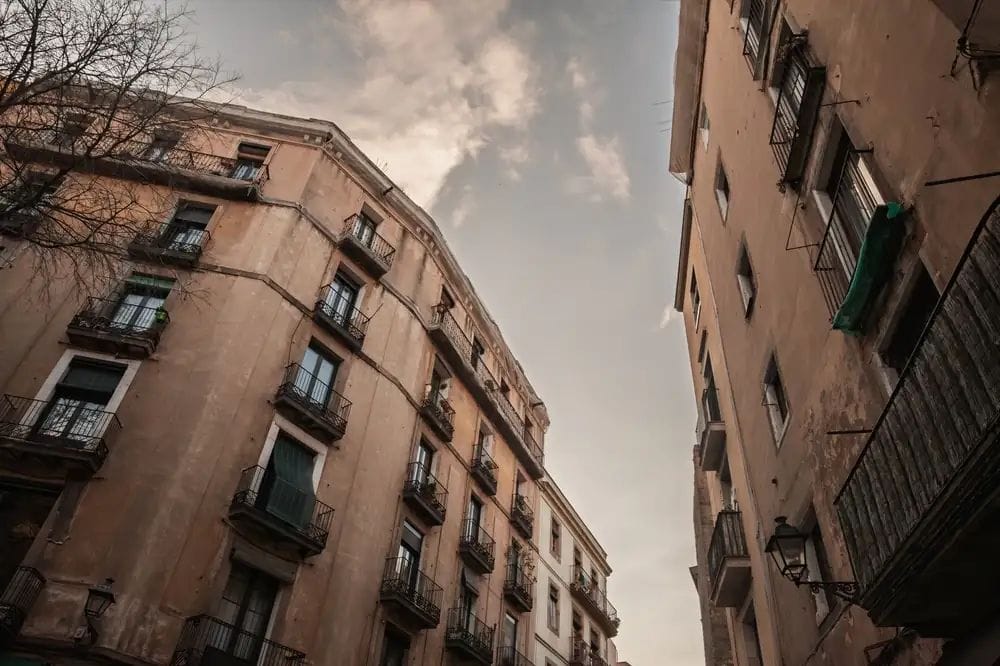
The City Council launches an ambitious plan to renew the historic heart. It is expected to restore homes and strengthen local life. The challenge: for Ciutat Vella to stop seeming like a theme park. Changes in housing, commerce and public space.
Living or working in Ciutat Vella could change radically in the coming years. Barcelona City Council has presented a roadmap that seeks to restore normality to the city’s oldest and most visited district. The goal is clear: renovate 10% of the buildings before 2035 and curb the theme-park feeling that many residents denounce.
The plan, promoted by commissioner Iván Pera after months of dialogue with more than 200 entities, includes 187 actions affecting housing, commerce, safety and public space. Although many still have no allocated budget, the priority is to renew the housing stock, recover tourist flats for neighbourhood use and strengthen education and culture in the district’s four neighbourhoods.
The data show the urgency: the average age of buildings in Ciutat Vella exceeds 110 years, far above the rest of the city. Only 29% of homes are owner-occupied, compared with 51% in Barcelona, and the district contains almost a fifth of social housing despite accounting for less than 7% of the population.
The plan also addresses internal mobility, the expansion of green areas and improved lighting. It envisages strengthening the connection with the seafront and adapting public spaces to climate change, with more climate shelters and shaded areas.
In educational and social matters, measures are proposed to combat school dropout, promote vocational training and open facilities in every neighbourhood. In addition, a social and health action plan will be launched to address challenges such as child poverty, loneliness and mental health.
Local commerce will be another focus: a new use plan will be approved to avoid commercial monoculture and encourage economic diversity. The City Council wants to create quality employment and make use of the proximity of the Port of Barcelona to stimulate the social economy.
The roadmap also envisages strengthening the associational fabric, expanding community spaces and restoring the Ciutat Vella Awards. The remodelling of the Rambla is considered key to transforming the district and to coexistence between residents and visitors.
Ciutat Vella is much more than a tourist destination: it is Barcelona’s historic and social heart. Its streets have witnessed profound urban transformations, from the major reform of the 1990s to today’s tourist pressure. Today, the district faces the challenge of balancing neighbourhood life with the arrival of millions of visitors every year. The new municipal strategy seeks to restore the everyday pulse and ensure that Ciutat Vella remains a place to live, work and enjoy without losing its unique identity.
Updated · 7 March 2026 The City Council says that the plan will be rolled out through a new Ciutat Vella Rehabilitation Office and the public company Foment de Ciutat, looking ahead to 2035 and in coordination with the district’s new use plan. The first actions will prioritise buildings with more structural defects and areas under greater pressure from tourism, alongside works already under way such as the remodelling of the Rambla and the new Via Laietana.