
News
Finding a bench in Barcelona depends on the neighbourhood: this is how they are distributed
Barcelona has around 60,000 benches and chairs in its streets, but not all residents have the same access to them. The unequal distribution of street furniture means that something as basic as sitting down depends on the neighbourhood, directly affecting rest, mobility and daily life.
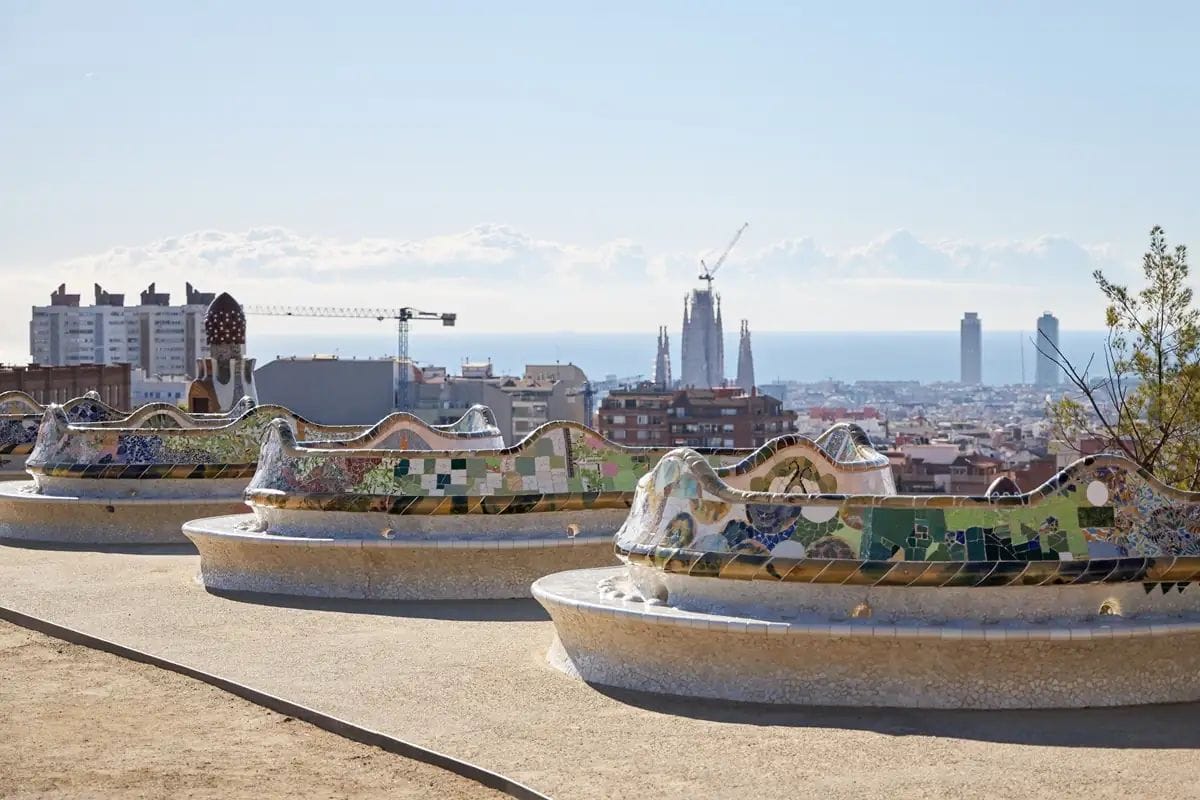
On average, there is one seat for every 29 inhabitants, but reality varies greatly by area. Neighbourhoods with more parks and spacious areas contain most benches, while denser areas barely offer places to stop.
The most extreme case is Sants-Badal, where each bench would have to serve more than 160 people. Similar situations recur in neighbourhoods such as Raval, Gòtic and Hostafrancs, where lack of space and high density make it difficult to install new seats.
By contrast, areas such as Marina del Prat Vermell, Vila Olímpica and Diagonal Mar have many more benches per inhabitant. They are transformed or recently developed neighbourhoods where urban planning has made it possible to integrate this kind of street furniture more effectively.
The total number of seats has grown in recent years, with new chairs, sun loungers and tables in pedestrian spaces. Even so, quantity does not always solve the problem if benches are not where they are truly needed.
Location is key in everyday life: near stops, health centres or thoroughfares. Without distribution designed around real routines, sitting in the street ceases to be a simple gesture and becomes dependent on where you happen to be.