
News
Barcelona revolutionises its bus network with more lines and dedicated lanes
Barcelona unveils the Agenda Bus 2026-2030. More lines and dedicated lanes. Buses will be faster and more frequent. The goal: to reduce private car use. Find out how public transport in the city will change.
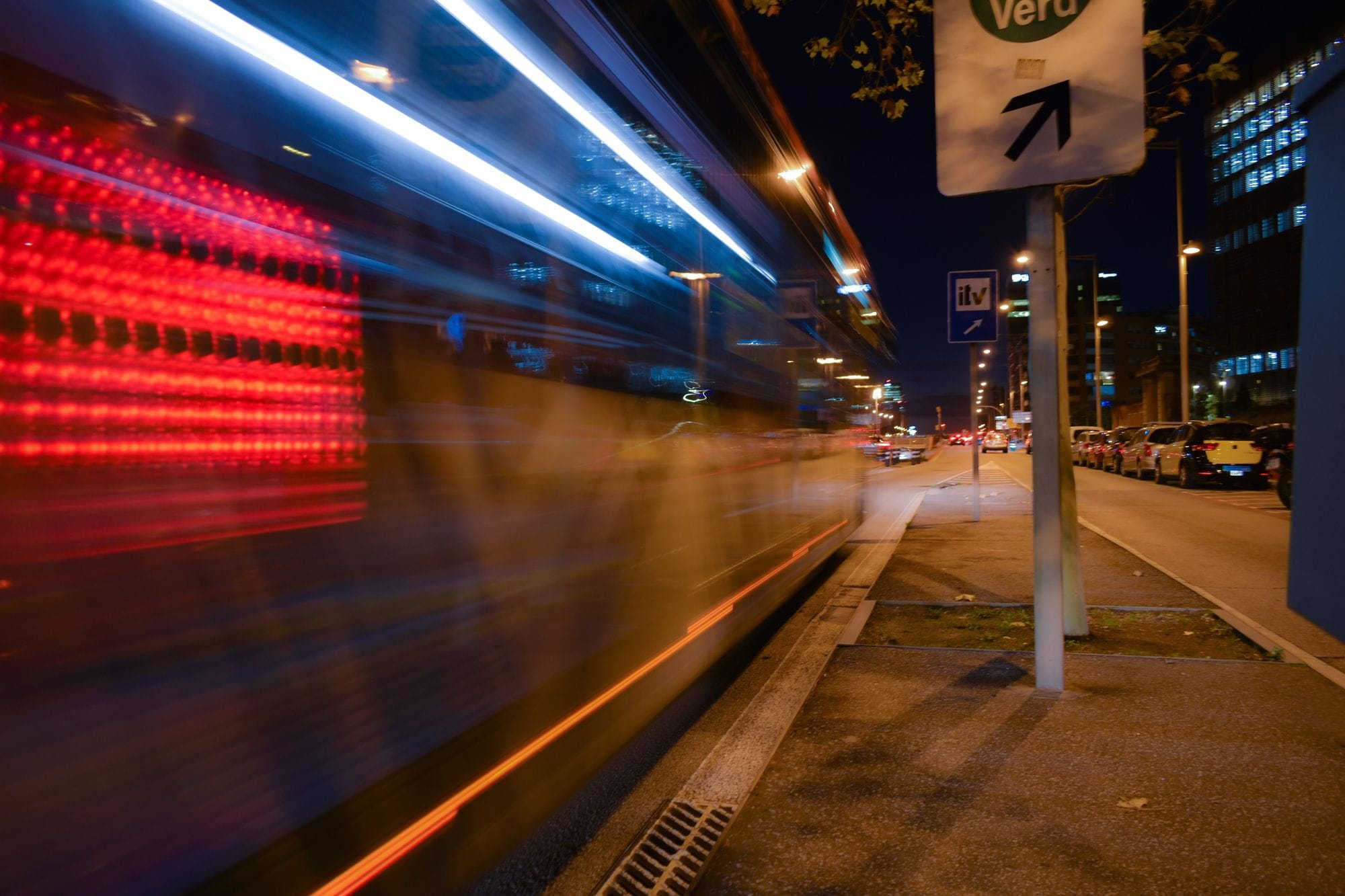
Barcelona presents the Agenda Bus 2026-2030. More lines and dedicated lanes. Buses will be faster and more frequent. The aim: to reduce use of private cars. Find out how public transport in the city will change.
Barcelona is taking a decisive step to transform its bus network. The council is launching Agenda Bus 2026-2030, an ambitious plan aimed at improving the speed and frequency of public transport. The goal is clear: to make buses the preferred option over private cars in a city increasingly congested by traffic.
The strategy includes creating new lines and strengthening existing ones. On 26 January, the H12 line between Glòries and Plaça Cerdà will add eight vehicles, allowing a frequency of five minutes on its central section. In addition, three express lines will begin operating this year, connecting the centre with access routes from Marina de Prat Vermell and Meridiana. Thus, interurban buses will no longer congest the centre and will remain at the city's entrances.
The plan provides for the construction of 12 kilometres of new bus lanes before the end of the term of office. Another 12 kilometres are under study. The main access corridors — Meridiana, Gran Via, Diagonal and Gran Via Sur — could have double lanes, separating urban and interurban bus traffic to avoid interference and improve flow.
In the centre, innovative solutions such as the “red carpet”, a road marking that will give buses priority when turning right, will be trialled. Traffic-light priority systems are also being tested on the H12 line, with positive results for traffic flow. Annual investment will be 8 million euros, allowing 25 additional buses to be added, all zero-emission. At present, one in four vehicles is already electric or hydrogen-powered, and the aim is to remove diesel and gas vehicles as soon as possible. The on-demand service in neighbourhoods will also be expanded.
The plan provides for analysis of which lines to reinforce, both vertical and horizontal, and for building new stations for interurban buses. Laia Bonet, first deputy mayor and president of TMB, stresses that this is a strategic project for the short, medium and long term, designed to provide a more competitive and reliable service.
The planning takes account of the city's growth, especially in areas such as La Marina del Prat Vermell and the surroundings of the future La Sagrera station, where a significant increase in demand is expected. It is also coordinated with the arrival of key infrastructure such as the tram along Diagonal and the L8 and L9 metro lines, planned for 2030.