
News
Barcelona transforms its neighbourhoods with its largest investment in public space
More than 1,300 works will transform 28 Barcelona neighbourhoods in 2026. The focus will be on renewing lifts and escalators. Investment exceeds €200 million. The plan seeks to improve daily life and urban mobility.
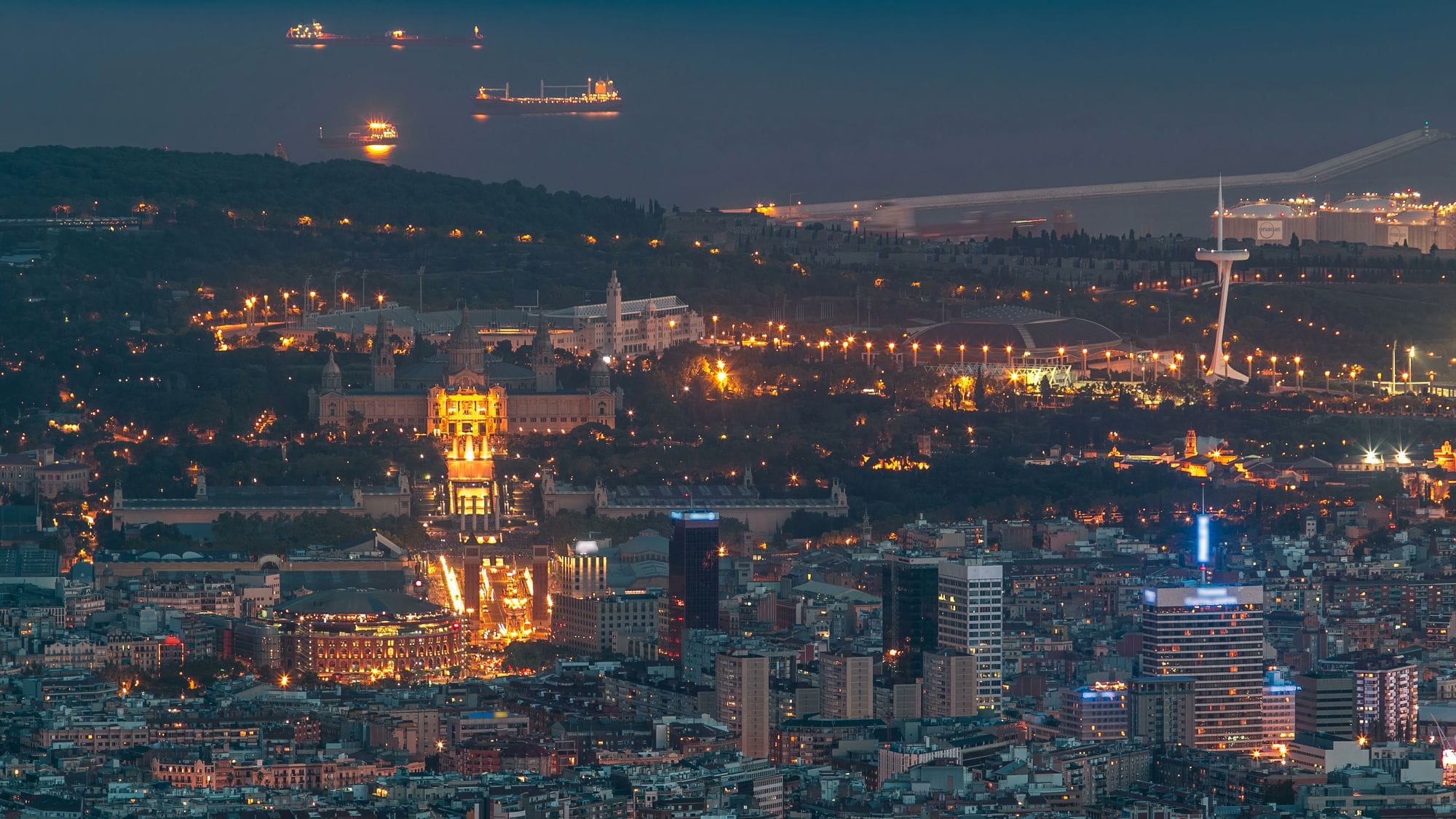
More than 1,300 works will transform 28 Barcelona neighbourhoods in 2026. The focus will be on renewing lifts and escalators. Investment exceeds €200 million. The plan seeks to improve daily life and urban mobility.
In 2026, Barcelona will undergo an unprecedented urban transformation that will directly affect the daily lives of thousands of residents. The City Council has launched an ambitious plan that will allocate more than €200 million to renew, maintain and modernise public space in 28 neighbourhoods, with more than 1,300 actions planned this year alone. The aim is clear: to improve accessibility, mobility and the quality of urban environments, especially in areas with the greatest changes in level.
One of the central strands will be modernising lifts and escalators, infrastructure vital for people living in hillside neighbourhoods. The plan provides that by 2027 no escalator will be more than 20 years old and all lifts older than 15 years will have been renewed. This commitment represents the largest annual investment in this type of equipment, with €18.4 million intended to guarantee its operation and reliability.
The works are not limited to vertical mobility. Since 2025, more than 220,000 square metres of asphalt, 38,000 square metres of pavements and 25 kilometres of irrigation have already been renewed, alongside the removal of 11 kilometres of overhead cabling and 279 wooden poles. The plan also includes improving the lighting network, rehabilitating bridges and renewing 10 kilometres of sewerage, a distance equivalent to the whole of Avinguda Diagonal.
Mayor Jaume Collboni has stressed that investment during this term will equal the sum of the previous three, reaching €435 million between 2025 and 2027. The effort will focus on the neighbourhoods that need it most, such as El Carmel, Roquetes, La Teixonera, Ciutat Meridiana and Vallbona, where 25% of escalators and half of lifts will be renewed.
In 2026, lift and escalator replacement and modernisation work will focus on Sarrià-Sant Gervasi, Horta-Guinardó and Nou Barris. Eleven groups of escalators, comprising 24 units, are expected to be replaced and 13 lifts renewed, as well as information signs updated throughout the city. The plan also strengthens predictive maintenance to reduce breakdowns and speed up repairs, a long-standing demand of residents in these districts.
The impact of this infrastructure is tangible: in 2025 alone, the 55 urban lifts recorded 6.8 million journeys and escalators 20.9 million uses. Improving these services will enable more comfortable and faster mobility, especially in areas with steep slopes.
The work will extend to all districts: Ciutat Vella, Eixample, Sants-Montjuïc, Les Corts, Sarrià-Sant Gervasi, Gràcia, Horta-Guinardó, Nou Barris, Sant Andreu and Sant Martí. Interventions include pavement rehabilitation, surfacing, renewal of urban furniture, improvement of parks and gardens, updates to signage and modernisation of lighting. Architectural barriers will also be removed and accessibility improved at signalised crossings and public fountains.
The rollout of this plan is organised by neighbourhood and within defined periods to minimise inconvenience and maximise benefits for residents. Its management is based on innovative public procurement and cross-cutting collaboration between different municipal areas.
The Plan Endreça will continue until 2027, with more than 3,000 actions planned and a total budget of €435 million. Residents can consult the progress of the works through an interactive map on the municipal website, which allows filtering by neighbourhood, district or type of intervention.
Barcelona’s escalators and urban lifts have been key to connecting neighbourhoods in elevated areas and making everyday life easier for people living on steep slopes. Since their installation, they have transformed pedestrian mobility and enabled older people, families and workers to access services, transport and shops more easily. The commitment to their modernisation and maintenance responds to a constant demand from residents and reinforces the city’s commitment to accessibility and urban quality of life.