
News
Barcelona penalises the Bicing operator and prepares an electric fleet
Bicing bicycles are used up to 16 times a day, and the service is plagued by breakdowns and maintenance issues. BSM has penalised the operator and plans to electrify the entire mechanical fleet during the first half of 2027.
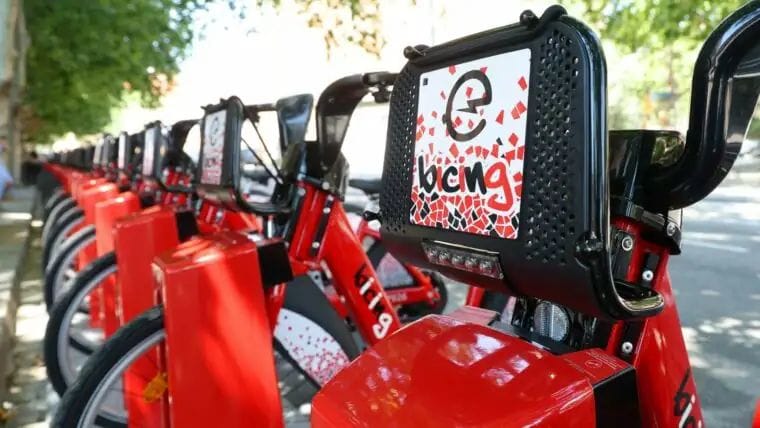
With 173,000 subscribers and up to 16 daily uses per bike, Bicing has little room to take vehicles off the street. Its 8,000 bikes face battery problems during heatwaves, issues with the app, and brake failures.
The municipal company BSM has fined the concessionaire, UTE Pedalem, €150,000 for failing to meet commitments on availability and maintenance speed. The City Council is accompanying the sanction with an emergency plan to ease pressure on the service.
The 3,000 mechanical bikes will become electric
The main measure is to convert the 3,000 mechanical bikes to electric during the first half of 2027. Bicing already has 5,000 electric bikes; once the transformation is complete, the entire fleet will have electric assistance.
The Deputy Mayor for Urbanismo y Movilidad, Laia Bonet, explained that electric bikes make up 62% of the fleet but account for 86% of uses. According to Bonet, the conversion is in response to most users seeking out and preferring electric bikes.
The plan adds 400 electric bikes before the end of 2026. The idea is that bikes in the workshop will not reduce availability at stations as much. It also includes more resources for replacement parts, especially for brakes and batteries.
The improvements will cost €5.8 million. Most of this will go towards the kits needed to electrify the mechanical bikes: the main expenses are motors and controllers, with wiring as another component.
More maintenance for a heavily used fleet
The rear brakes are one of the most sensitive points: users have reported accidents related to their poor condition. Reporting these cases is complicated, as the usage rules require each person to check that the bike is in good condition before using it.
The plan includes reinforcing both workshop and street mechanics, as well as the logistics staff who redistribute bikes between stations. In the outlined scheme, the usual 30 mechanics are joined by another six on the night shift from spring to autumn.
The unions, where CGT holds a majority, have been demanding for years that these seasonal workers move from intermittent contracts to being part of the permanent staff. They also pointed out that the bikes were eight years old and called for regular workshop checks, rather than waiting for them to break down.
Union sources estimate that 165 people work at Bicing, across station and workshop maintenance, logistics and distribution, supervision, systems, offices, and the laboratory. Labour protests coincided with the change of concessionaire and the negotiation of the 2023 agreement, which included eight consecutive days of strike action. The purchase of PBSC by Lyft and the subsequent acquisition of Serveo by the US company also caused concern among staff.
A service that grew with demand
Bicing was launched in 2007 with Clear Channel as concessionaire, with 200 bikes and 14 stations. Over the years, it reached 6,000 bikes. In 2019, the contract passed to UTE Pedalem Barcelona, made up of CESPA-Serveo (Ferrovial) and the Canadian PBSC.
The contract started with 7,000 bikes, of which only 300 were electric; the fleet has grown to the current 8,000, with 5,000 electric. The expansion of stations and the use of electric bikes boosted the service, and journeys have increased by 56% during the contract. Electric bikes make sea-to-mountain trips easier, although their greater weight and more frequent use accelerate brake wear.
Urban mobility also includes the management of low-emission zones, covered in this article about the ZBE.
Bicing is approaching the end of its second generation of bikes and stations. The third is planned for 1 January 2029 and will feature a fleet of 12,000 bikes.