
News
Barcelona consolidates its position as one of Europe's favourite cities to create a start-up
Barcelona is gaining ground on Europe's entrepreneurship map. The city ranks as Europe's third most highly valued place to create a start-up, behind only Berlin and London, according to the Startup Heatmap Europe ranking compiled by DEEP Ecosystems. The figure confirms something already noticeable in the city's everyday life: more and more international talent sees Barcelona as a place to launch projects, hire teams and live.
The study is based on the opinion of more than 24,000 European founders. One in five respondents named Barcelona as their preferred city to start a start-up, ahead of hubs such as Amsterdam, Lisbon and Munich. The Catalan capital thus consolidates its position as the leading reference point in southern Europe for the start-up ecosystem.
The explanation lies not only in the city’s climate or international image. Entrepreneurs particularly value the dynamism of the technology ecosystem, the availability of talent and the relationship between costs, opportunities and quality of life. Barcelona offers a combination that is hard to find: universities, research centres, technology companies, international events and neighbourhoods able to attract creative profiles from different countries.
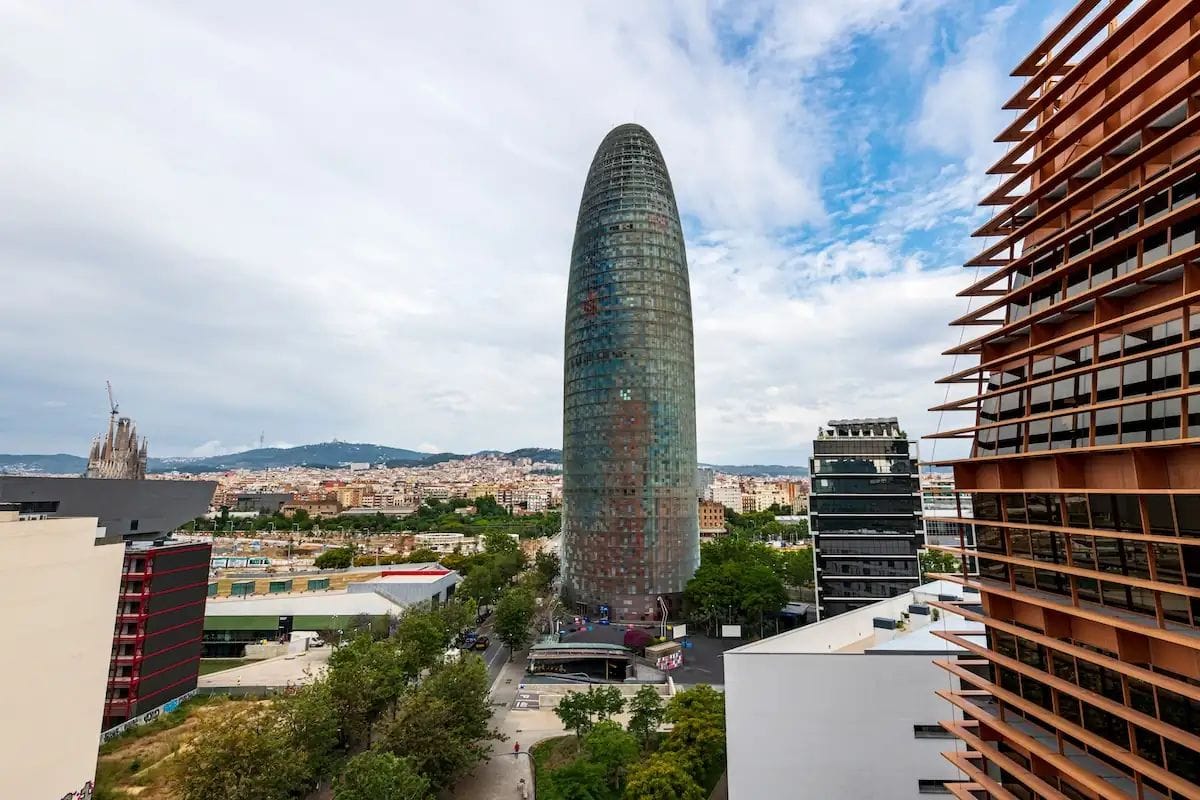
The impact is also evident in employment. According to the data collected in the report, Barcelona start-ups generated around 300 jobs a month, a figure that helps explain why entrepreneurship is now part of the city’s economic pulse. Flexible offices, co-working spaces and districts such as 22@ have changed the way people work in areas once more dominated by industry or traditional commerce.
The sector’s economic growth is also significant. Barcelona start-ups generated more than 2 billion euros in business in 2021, an increase of 65% compared with the 2016-2018 period. Initial funding for new projects ranges from 500,000 to 2 million euros, with an upward trend in the most recent years analysed.
For the city, this position has two sides. On the one hand, it strengthens Barcelona’s ability to attract investment, talent and skilled employment. On the other, it increases pressure on housing, offices and neighbourhoods where many of these international profiles are concentrated. The challenge will be to turn that entrepreneurial momentum into real opportunities without the city losing its social balance.
Barcelona has spent years trying to establish itself as more than a tourist destination. The strength of its start-up ecosystem points precisely in that direction: a city able to compete for talent, generate innovation and attract global projects without giving up its neighbourhood life, local fabric and Mediterranean identity.