
News
Demolition of Modernist buildings beside Glòries begins to extend the park
Barcelona has already begun to erase a little-known part of its Modernist landscape. The works to extend the Les Glòries park have entered a new phase with the demolition of 37 buildings on Consell de Cent, between Castillejos and Independència, an intervention that will completely change the appearance of this area of the Eixample over the coming months.
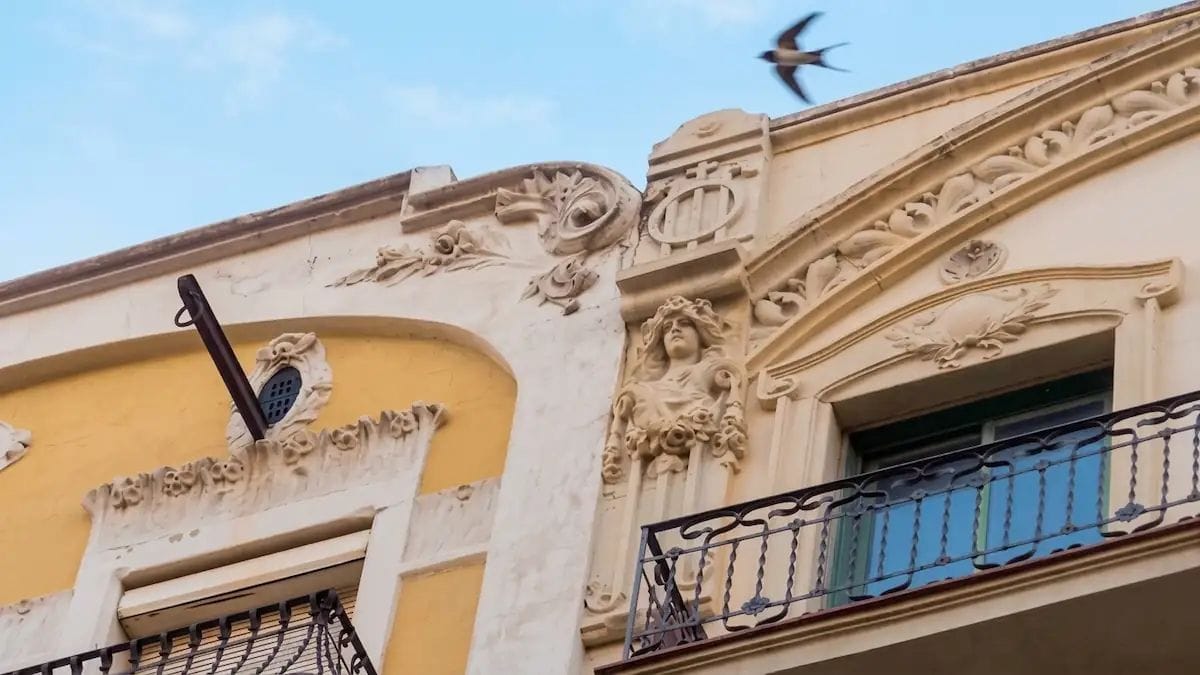
Among the affected properties are two buildings that are especially recognisable to residents and architecture lovers: Casa Frederic Sanés and Casa Sebastià Bosch i Elías. Both have formed part of the area for more than a century and stand out for Modernista details that go unnoticed by many Barcelonans who cross the area daily on their way to Glòries or the Sagrada Família.
The disappearance of these façades has revived Barcelona's usual debate between urban transformation and heritage preservation. While the City Council defends the creation of a large park that will better connect historically separated neighbourhoods, several experts and residents regret that buildings with architectural value end up being demolished without having been officially protected.
Machinery is already working on part of the block and everything points to the demolitions progressing quickly. This makes these days the last opportunity to see some of these houses up close before they disappear permanently from the city's urban landscape.
The future park will cover some 30,000 square metres and seeks to extend the major transformation of Glòries begun in recent years. The project is committed to more vegetation, play areas and pedestrian routes to connect Fort Pienc, El Clot, Sagrada Família and the Poblenou surroundings in a much more integrated way.
The area has long been undergoing profound transformation. Where traffic, hard infrastructure and fragmented spaces once dominated, parks, pedestrian axes and new public spaces are now starting to appear. But every urban advance also leaves visible losses for those who feel that part of Barcelona's architectural memory is gradually disappearing with each demolition.
Glòries has probably become the place where it is easiest to see how Barcelona is changing. The city gains greenery, open spaces and connections between neighbourhoods, but at the same time it faces an increasingly uncomfortable question: how much everyday heritage it is willing to lose in order to build that new version of itself.