
News
Barcelona is under strain again from mass tourism as residents' discontent grows
Barcelona once again faces one of its most sensitive debates: how to coexist with tourism that many consider already out of control. As the high season approaches, residents' discontent is once again becoming visible in streets, squares and neighbourhoods where the constant flow of visitors changes daily life and multiplies the feeling of overcrowding.
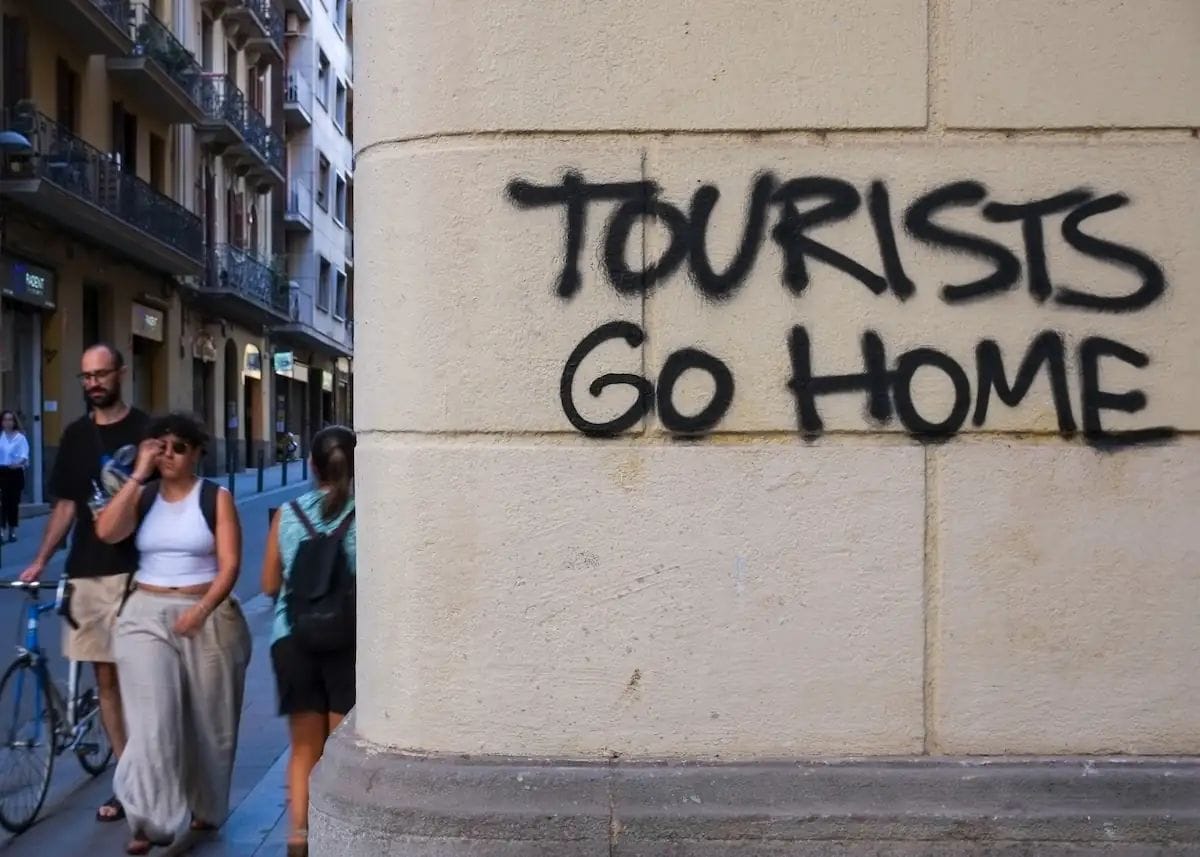
In recent months, protests against mass tourism have gained visibility and resonance. Demonstrations organised by neighbourhood groups have been joined by spontaneous actions reflecting the fatigue of part of the population: anti-tourism graffiti, open criticism of tourist flats and even viral episodes in which some protesters fired water pistols at foreign visitors in central areas of the city.
The tension is concentrated especially in neighbourhoods such as Ciutat Vella, Eixample, Barceloneta and Gràcia, where many residents complain of constant noise, the loss of local shops, rising housing prices and a gradual transformation of urban space designed more for visitors than for those who live there all year.
The debate also divides the city economically. While part of the tourism sector insists that Barcelona depends on the hotel, restaurant and cultural activity linked to visitors, other groups consider that the current model has reached a limit that is difficult to sustain. The clash between the two views has become one of the major political and social issues of the moment.
The City Council is trying to respond with new regulations and measures to reduce tourism pressure. In recent years, licences for tourist flats have been limited, controls have increased and restrictions on cruise ships or large organised groups have been proposed. Even so, the perception of overcrowding remains very present among many residents, especially during spring and summer.
The situation is also concerning because of the international image projected by the city. Scenes of confrontation and rejection of tourists have circulated widely in media and social networks in different countries, fuelling debate over whether Barcelona is entering a phase of “tourism fatigue” similar to that experienced by other major European destinations.
Barcelona receives millions of visitors every year, drawn by its architecture, climate, gastronomy and cultural life. Tourism became established over decades as one of the city’s major economic drivers, especially after the 1992 Olympic Games. However, the sustained growth of the sector has intensified pressure on public space and housing, making tourism management one of the main urban and political challenges of the Catalan capital.