
News
Barcelona competes with Bangkok to host WorldPride 2030
Barcelona wants to host WorldPride 2030 and place itself at the global centre of LGBTI+ advocacy for several weeks. The city is competing with Bangkok to organise one of the largest international Pride events, an occasion combining celebration, human rights, culture, activism and global projection.
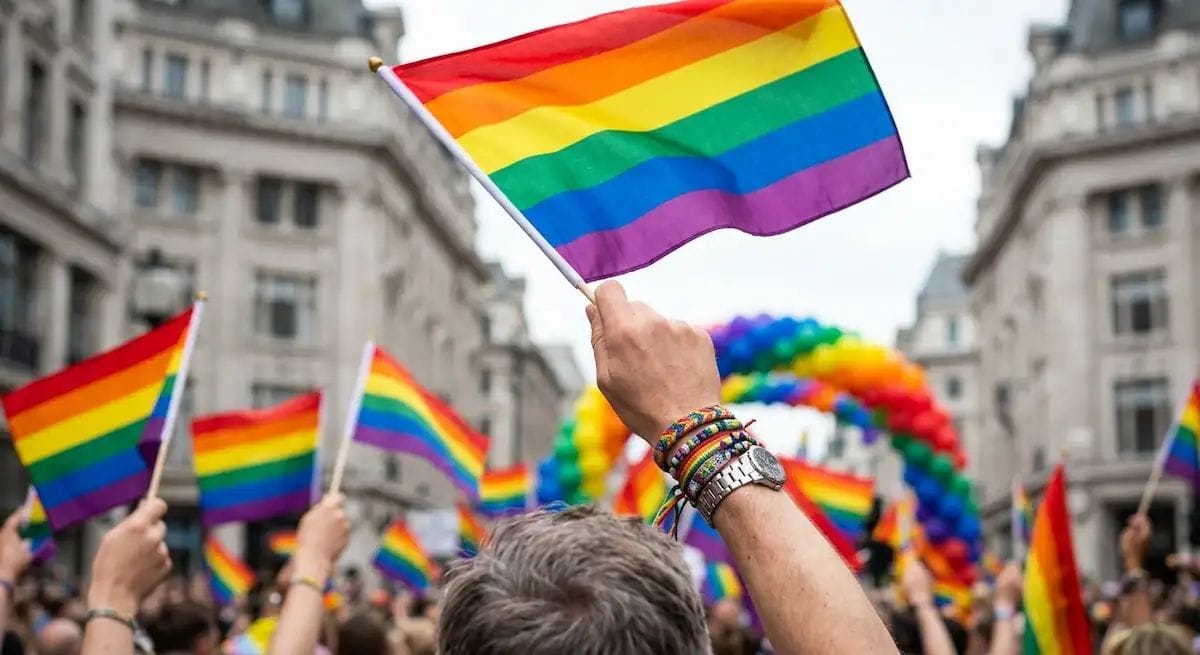
The bid comes at a particularly symbolic moment. The year 2030 will coincide with key anniversaries for LGTBI+ memory in Spain, including 55 years since the first Pride demonstration in Barcelona and 25 years since the approval of equal marriage. For the city, it would be a way of connecting history, present and future.
The chosen slogan, “Let’s think, let’s answer, let’s change”, sums up the proposal's central idea. Barcelona wants to present WorldPride not only as a great celebration, but as a space to think about the challenges facing the community, respond to the rise of hate and activate changes that can resonate beyond the city.
The decision will be made in 2026 during InterPride's general assembly, to be held in Phuket from 29 October to 1 November. There Barcelona will have to defend its bid against Bangkok, a strong competitor that also aims to project itself as an international capital of diversity.
If it wins, Barcelona will join a list of cities that have already hosted WorldPride, such as Rome, London, Madrid, New York, Sydney and Washington. The impact would go far beyond a parade: the event usually includes marches, conferences, concerts, cultural activities and international meetings on human rights.
The bid also emerges in a context of concern over LGTBI-phobic assaults. In Catalonia, record numbers of reported incidents have been registered, and recent episodes have once again shown that visibility remains necessary. Pride celebrations thus coexist with a dimension of protection, denunciation and resistance.
Barcelona already has a long relationship with LGTBI+ memory. The city hosted one of the first Pride demonstrations in the country and has built over decades a network of organisations, cultural spaces and movements that have placed diversity in public debate.
A possible WorldPride would also have a strong urban impact. Hotels, transport, squares, cultural facilities, security and public space would have to prepare for an international influx far greater than that of an ordinary Pride. The city would gain visibility, but it would also have to manage coexistence, mobility and tourist pressure.
While the 2030 host is being decided, Barcelona will host a new edition of Pride Barcelona this year, from 27 June to 19 July, with activities across the city and a programme designed to celebrate and advocate for diversity.
The race for WorldPride leaves Barcelona with an open question: what kind of LGTBI+ capital does it want to be? A city able to attract major events, yes, but also a city that protects its community, listens to its organisations and turns visibility into real rights for those who live it every day.