
News
Barcelona throws itself into 8M 2026: concerts, demonstrations and culture for Women's Day
On 8 March, Barcelona transforms with feminist and cultural activities. From concerts and monologues to routes and films directed by women. Discover how the city marks International Women's Day with options for every taste.
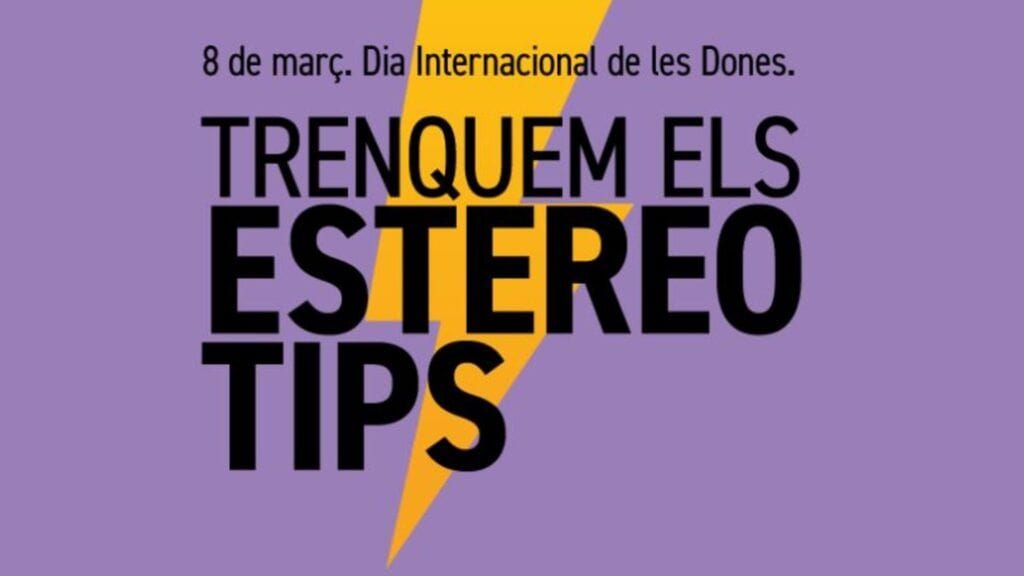
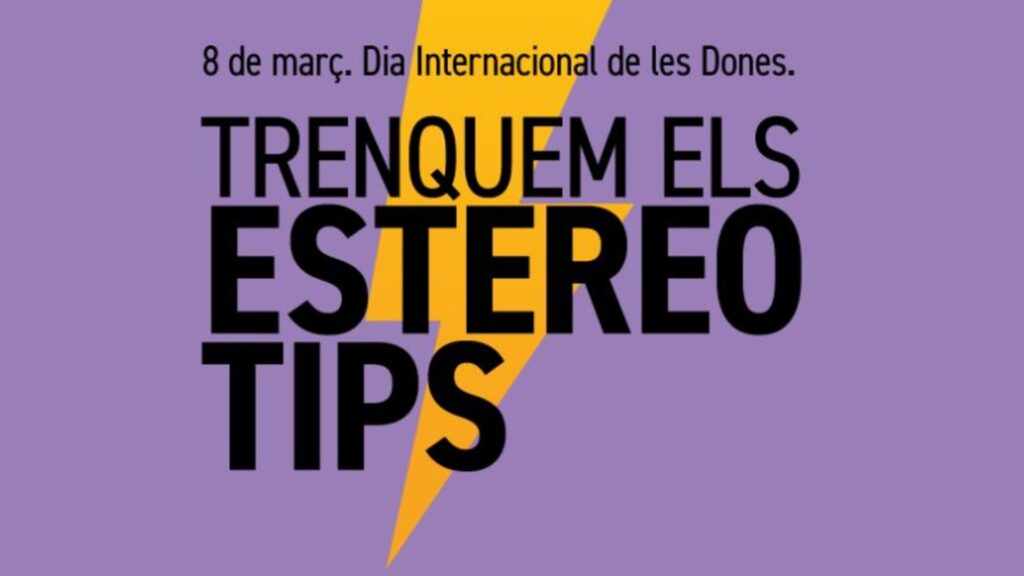
On 8 March, Barcelona is transformed by feminist and cultural activities. From concerts and monologues to routes and films directed by women. Discover how the city celebrates International Women's Day with proposals for every taste.
On 8 March 2026, Barcelona becomes the epicentre of feminist advocacy and culture. The city rolls out an agenda full of activities that invite people to participate, reflect and celebrate International Women's Day from every neighbourhood and for all ages.
The city's civic centres have prepared a special programme that gives visibility to female talent and creativity. Exhibitions, workshops and talks follow one another in the Xarxa de Centres Cívics, with proposals that can be consulted on the municipal website.
Music takes centre stage with the 'Veu Alta' concert, organised by ESMUC on Friday 6 March at 18:00 in the Saló del Tinell. Students of music production and management present a choral performance that brings together female voices in a cry of hope and unity.
Feminist humour also has its place on Friday 6 March at 19:00 at Bonnemaison, where Ana Polo, Clara Ingold and Penny Jay headline an afternoon of free monologues with prior booking.
The Tradicionàrius Festival joins 8M with three concerts that show the diversity and leadership of women in traditional music. From 6 to 8 March, Cocanha, Namorala Pandereteiras and La Filadora will perform in different venues in Gràcia.
The Convent de Sant Agustí hosts the El Rebombori series on Friday 6 March from 19:30, with concerts by Victoria Laverde and Namina & The Barbarians, exploring new female sounds in an intimate, activist atmosphere.
On Saturday 7 March at 18:30, the Auditori de l’Orfeó Gracienc hosts the first edition of 'Veus en femení', a choral event featuring the Plèiade, Aglepta and Voxalba choirs, and the premiere of a work by Stephanie Macchi based on a poem by Agnès Armengol.
The central 8M demonstration in Barcelona will take place on Sunday 8 March at 11:30, leaving from the Jardinets de Gràcia and travelling along Passeig de Gràcia, ronda de Sant Pere and Passeig Lluís Companys to Arc de Triomf. This year, the march is held in the morning and will be broadcast live.
Throughout the week, betevé broadcasts a film or documentary directed by women every evening, from classics such as Ida Lupino's 'El Autoestopista' to recent productions such as Neus Ballús's 'Sis dies corrents'.
On 9 March at 17:30, the 40th Premi 8 de Març – Maria Aurèlia Capmany will be awarded in the Saló de Cent; this year it rewards projects that fight gender stereotypes.
The 'Petites històries, grans dones' initiative returns to Barcelona's museums between 28 February and 22 March, with stories and activities that give visibility to notable women in fields such as science, sport, ceramics and navigation.
On Friday 13 March, the Canòdrom is organising a free day of debates, workshops and catwalks under the slogan 'If AI wants to read us, let it read us as we decide', with activities exploring the relationship between artificial intelligence, fashion and gender.
For those seeking digital resources, a selection of feminist GIFs has been prepared to share and advocate for rights during the day and throughout the year.
In Barcelona, 8M is much more than a date: it is an opportunity to experience the city through diversity, culture and collective struggle.
The Premi 8 de Març – Maria Aurèlia Capmany has established itself as one of the most emblematic recognitions of feminist commitment in Barcelona. Since 1987, this award has distinguished innovative projects that help eradicate stereotypes and advance towards real equality. The award ceremony, held in the historic Saló de Cent, brings together figures from the feminist movement, institutions and citizens every year, reinforcing the city's role as a reference point in gender policies and transformative culture.