
News
Barcelona will be the European capital of Nadal in 2026 and prepares a creative leap in its festive lighting
Barcelona has been chosen as the European capital of Nadal 2026 by the European Capital of Christmas organisation, a recognition distinguishing cities whose celebration model can serve as a reference for other European cities. The City Council’s bid highlights festivities that combine deep-rooted traditions—such as nativity scenes, fairs and markets—with the city’s creative pulse: light installations, technology and cultural proposals seeking to strengthen its contemporary identity.
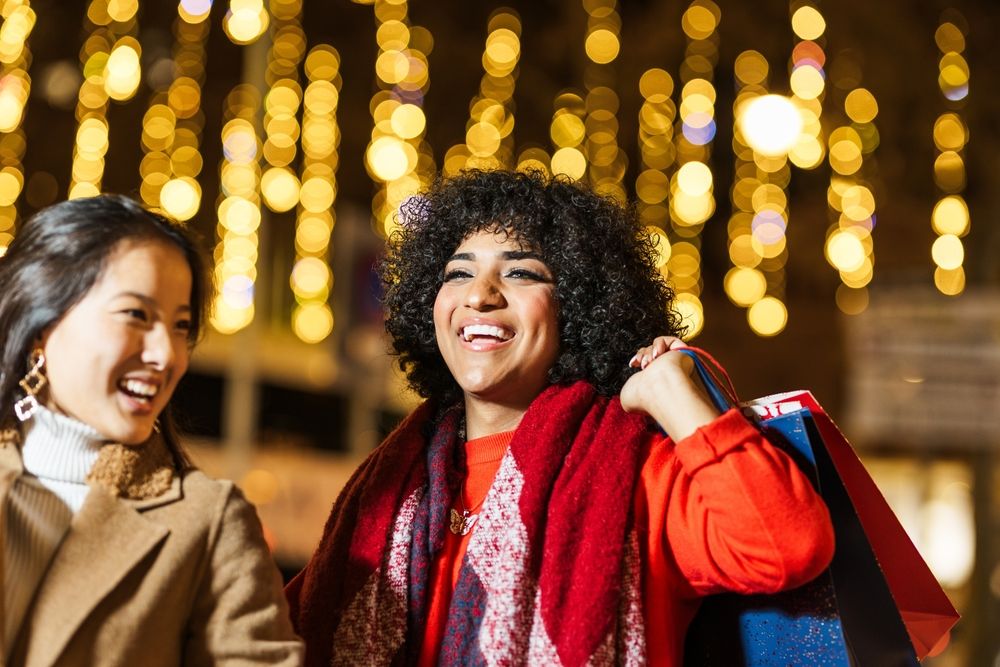
The distinction is not limited to symbolic prestige. For 2026, the Catalan capital will have to design a specific programme of activities to involve residents, organisations and the cultural sector. Among the first lines of work, the City Council has announced its intention to expand spaces with designer Christmas lighting. To that end, it has launched a creative competition with the Asociación de Diseño Industrial, with the aim of continuing the model introduced this year and promoting local talent.
The international jury, meeting in Waterford, Ireland, has valued Barcelona's ability to articulate tradition and multiculturalism in a distinctive Christmas landscape. It highlighted the city's historical, artistic and gastronomic richness, together with street performances, liturgical celebrations and markets that bring “warmth and joy” to public space. Sustainability has also played a key role: the use of low-energy lighting, recycling initiatives, eco-friendly fairs and workshops linked to the reuse of materials.
The distinction will be awarded officially on 13 December in Vilnius, Lithuania, the city that holds the title in 2025.
Beyond the Christmas recognition, Barcelona is also competing to become the first European capital of small business, an initiative promoted by the European Commission to enhance local commerce. The city is competing against Utrecht and Zaragoza, highlighting a model that links economic activity, social cohesion and urban planning, and which has managed to recover after the impact of the pandemic.
Looking ahead to 2026, the city faces the challenge of turning its Christmas tradition into a creative showcase capable of projecting internationally without losing its connection with its neighbourhoods and traders.