
News
Barcelona surprises: rent falls while the rest of Spain rises
Barcelona records an unprecedented fall in rent despite remaining the most expensive city.
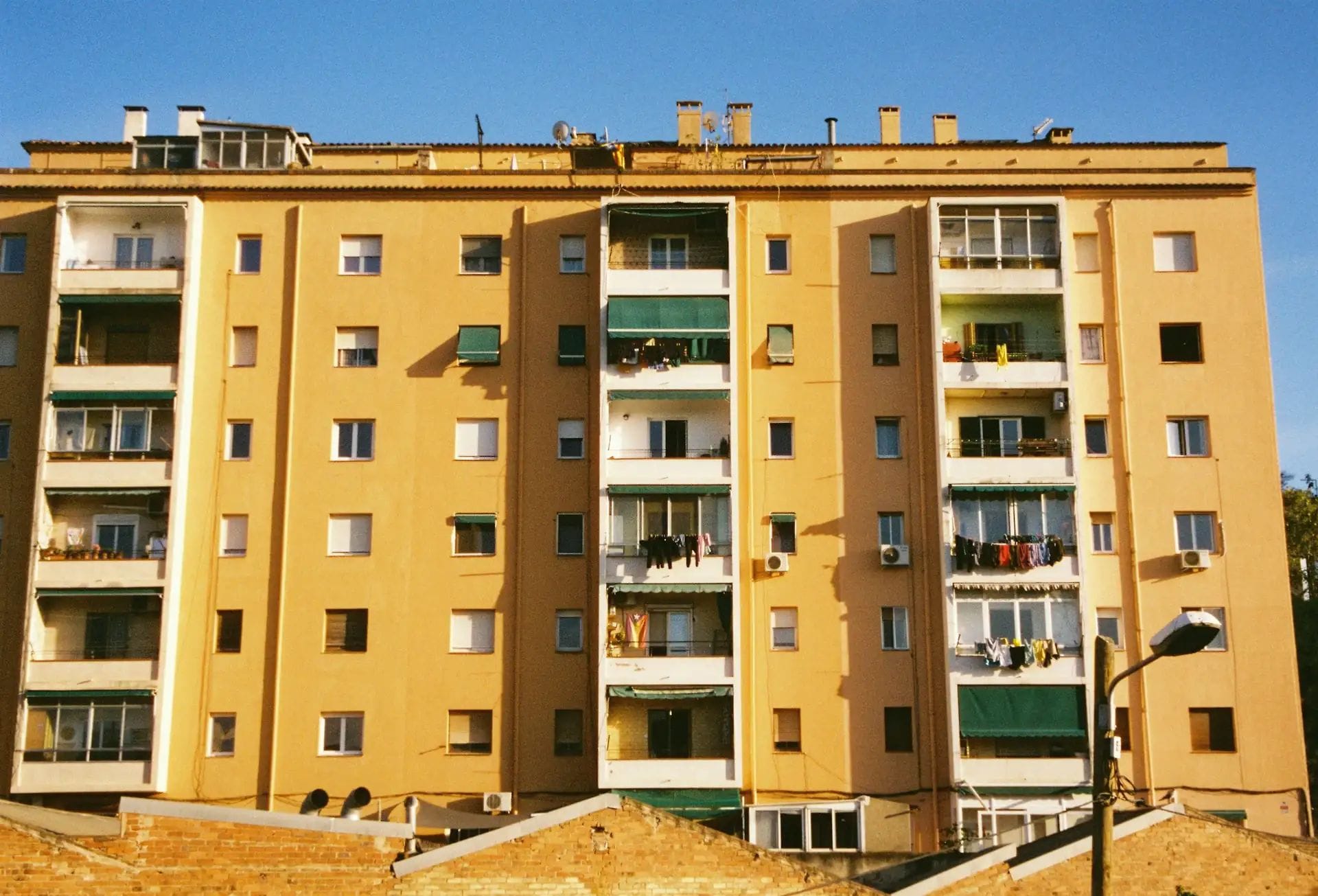
Barcelona breaks with the national trend and records a fall in rental prices. The city remains the most expensive, but the adjustment is unprecedented. New regulations and pressure on landlords are setting the pace. Will this change become established?
People looking for a flat in Barcelona have come across unexpected news: rental prices have fallen, just as they continue to rise in the rest of Spain. In February, the Catalan capital was the only major city where rents fell compared with the previous year, down 1.2%. This turn comes at a time of maximum tension in the local housing market, where every euro counts and competition for every home is fierce.
While Madrid and other capitals such as Valencia and Palma are seeing increases of up to 10%, Barcelona is setting itself apart and following its own course. However, renting here is still a luxury: the average price remains at 23.4 euros per square metre, only just above Madrid and far above other cities. Its lead in prices is not wavering, but the adjustment does change the outlook for tenants and landlords.
The anomaly is not limited to the city. Throughout the province of Barcelona, rents are also falling year on year, something that is not happening in any other Spanish province. The contrast is even sharper compared with the rest of the country, where almost all provinces are seeing rents become more expensive month after month.
Behind this slowdown are the new rules of the game: the introduction of pressured areas and rent caps, promoted by the central government and the Generalitat, has forced landlords to adjust their expectations and contracts. Inspection pressure and the obligation to comply with regulations have changed the dynamics of negotiation. At the same time, the available supply is shrinking, many flats are moving to seasonal rentals and the requirements for obtaining a home are becoming stricter. In neighbourhoods such as Eixample, Gràcia and Sant Martí, contracts are signed more quickly, but with less room for negotiation.
Across Catalonia, the trend is similar: it is the only autonomous community where rental prices have fallen over the past year, while rises in other regions are in double digits. For people renting in Barcelona, the fall is a relief, although a limited one: an average 70-square-metre home still exceeds €1,600 per month in many central areas.
Barcelona's rental market is thus entering a phase of statistical restraint. The big question is whether this adjustment will last or whether it merely reflects the initial impact of the new regulations. Spring will be key to finding out whether the trend becomes established or the market heats up again.
Pressured areas have changed the way renting is understood in Barcelona. This legal designation allows administrations to limit the price of new contracts in areas where access to housing is considered especially difficult. In practice, this has meant greater scrutiny of landlords and a forced adjustment of prices. Although the measure seeks to protect tenants, it has also sparked debate about its impact on supply and the quality of the homes available. The debate over its effectiveness remains open in the city.