
News
Barcelona adds almost 100 cameras in five key areas before the end of the year
Barcelona will install almost one hundred new video-surveillance cameras before the end of 2026. The devices will be distributed across five areas of the city, including Anilla Olímpica, Búnkers del Carmel, parque de la Pegaso and paseo del Born, as part of the municipal plan to strengthen safety in public space.
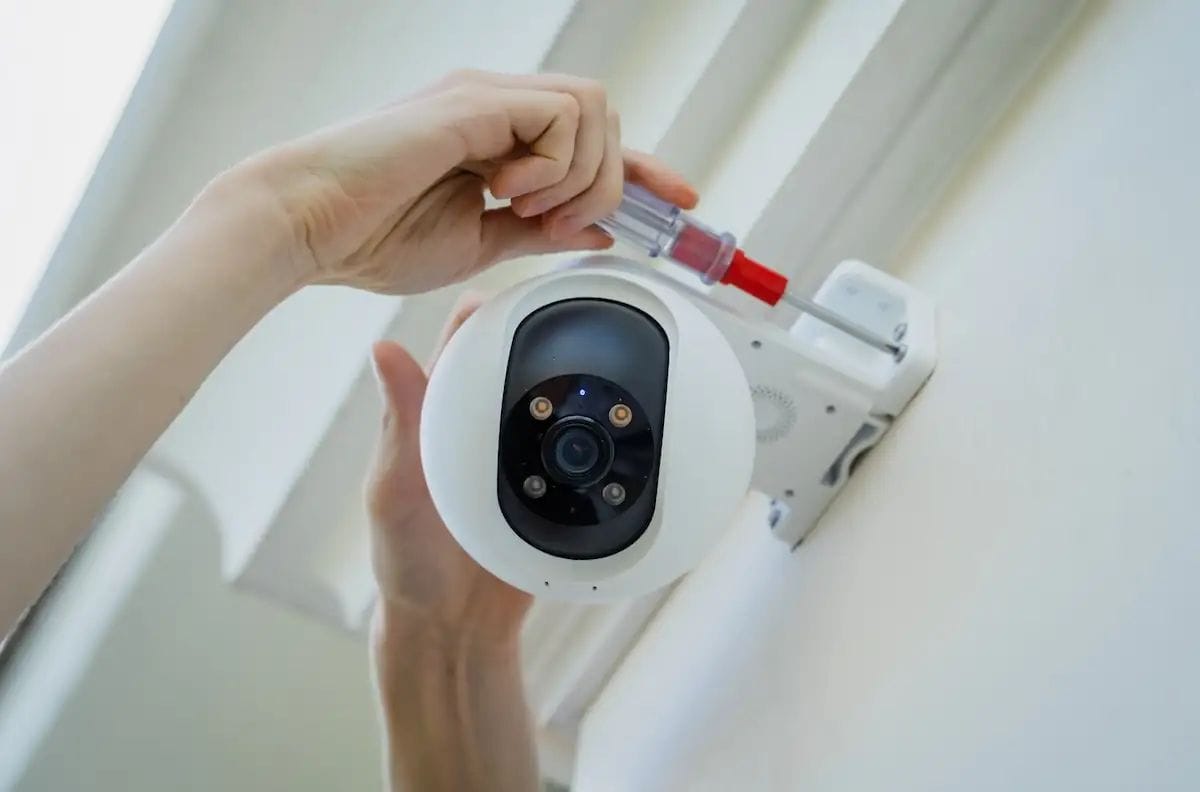
The largest deployment will take place at the Anilla Olímpica, where 30 cameras will be installed. Another 30 will be distributed between the Fira de Bellcaire and the area around Fort Pienc, while Pegaso Park will receive 19 devices, the Búnkers del Carmel another 11 and Passeig del Born nine.
The cameras at Pegaso Park are particularly significant after a 15-year-old died after being shot in this space just over a month ago. The City Council has specified, however, that the installation had already been planned before that crime and forms part of a broader video-surveillance strategy.
Barcelona currently has 186 operational cameras. In the first phase of the plan, 26 new devices have already been installed in Plaça Catalunya and the Front Marítim, although installations still remain to be put into operation elsewhere in the city.
Upcoming locations also include Avinguda de la Catedral, with six cameras planned, Plaça Reial, with 20, and Rambla del Raval, with 21. These locations will be joined by spaces in Nou Barris such as Guineueta Park, Plaça Àngel Pestaña and Plaça Roja, as well as Plaça Universitat.
The deployment will continue during 2027 with a fourth phase that provides for another 245 cameras. If the entire timetable is completed, the City Council expects to approach 500 units and for approximately 5.16% of Barcelona’s public space to be covered by municipal video-surveillance systems.
The network’s growth seeks to concentrate surveillance at points with high footfall, leisure areas and spaces where security or coexistence problems have been detected. The expansion will be particularly visible in the coming months, when neighbourhoods and tourist locations that until now have barely had cameras will join an increasingly extensive network.