
News
La Escocesa is reborn in Poblenou with 72 homes, art and innovation
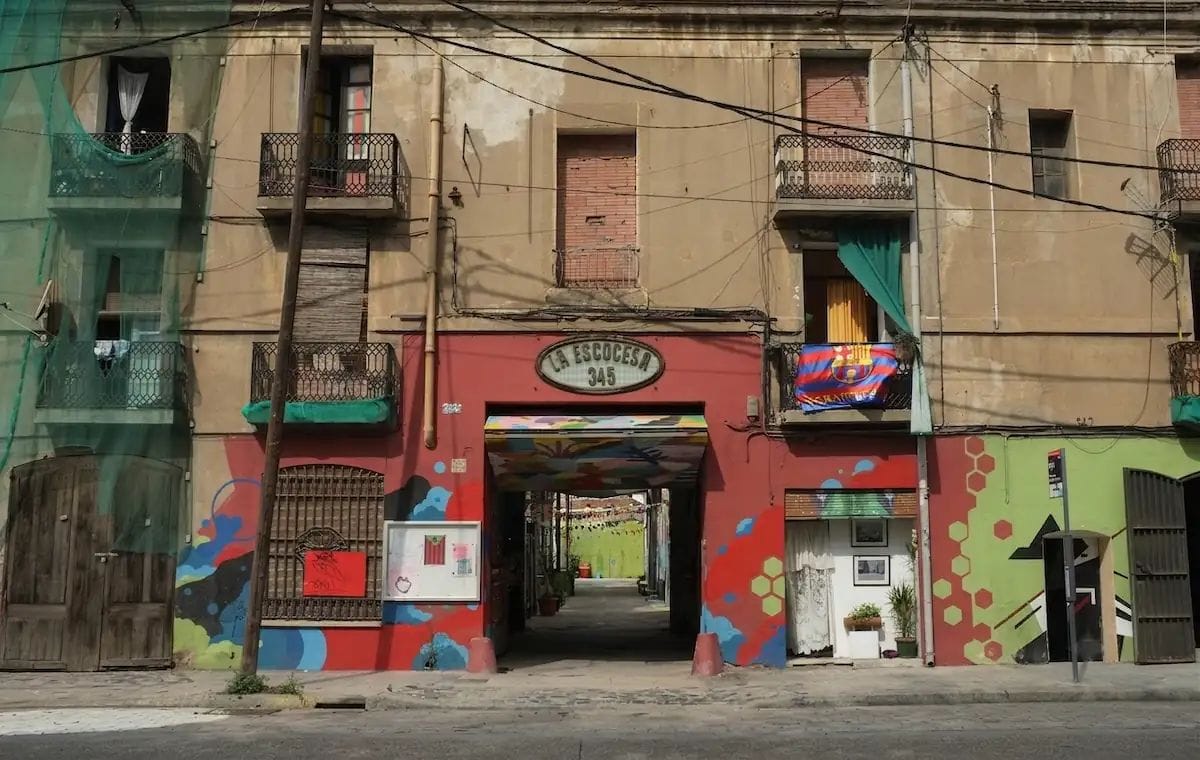
La Escocesa faces its definitive transformation in Poblenou. The former factory complex will be fully refurbished to bring together public-service housing, artistic creation, the social economy and agri-food innovation across more than 11,500 square metres, with an initial investment of 51.8 million euros and a target date of 2029.
The City Council will contribute 27.2 million, and the remainder will come from other public administrations, social organisations and companies linked to the project. Participants include the Generalitat, Mercabarna, Fundació AMPANS and the Associació d’Idees EMA, which will take on different parts of a complex divided into seven buildings.
One of the biggest new developments will be the arrival of housing. The Birkhead and Steegmann buildings will allocate around 4,500 square metres to 72 supported homes for people who need assistance, thereby introducing residential use into a space that for decades was linked mainly to industry and, more recently, to cultural creation.
The Paul building will have a different function: it will host an inclusive arts centre promoted with Fundació AMPANS. There will be workshops, co-creation spaces and programmes bringing together artists with intellectual disabilities and other creators, as well as initiatives related to art therapy, wellbeing and inclusion.
Food innovation will be based in the Shield building. Barcelona Foodlab, a business incubator promoted with Mercabarna and the Generalitat, will be installed there, with classrooms, workspaces and modules for emerging projects linked to the agri-food sector.
The Klein building will be reserved for the social and solidarity economy and will join Barcelona Activa’s network of economic hubs. Meanwhile, Johnston and Foseco will maintain La Escocesa’s activity as a Fàbrica de Creació, managed by the Associació d’Idees EMA and linked for years to Poblenou’s artistic community.
The project is expected to generate around 100 direct jobs and another 500 indirect ones when all the parts are operational. The intention is to retain the complex’s industrial architecture, while filling it with uses connected to the new economic and residential profile that the north of 22@ has gradually acquired.
For Poblenou, the change means recovering a complex that for years combined artistic activity with dilapidated buildings and spaces without stable use. In 2029, the planned image will be very different: homes, workshops, companies and artists sharing a former factory that once again becomes an active part of the neighbourhood.