
News
Barcelona will invest €12 million to refurbish 20 key interurban bus stops between 2026 and 2028
People who use Barcelona's interurban buses every day will notice significant changes over the coming years. The City Council has launched a plan to refurbish twenty key stops in order to improve accessibility and comfort at points used by thousands of travellers every day.
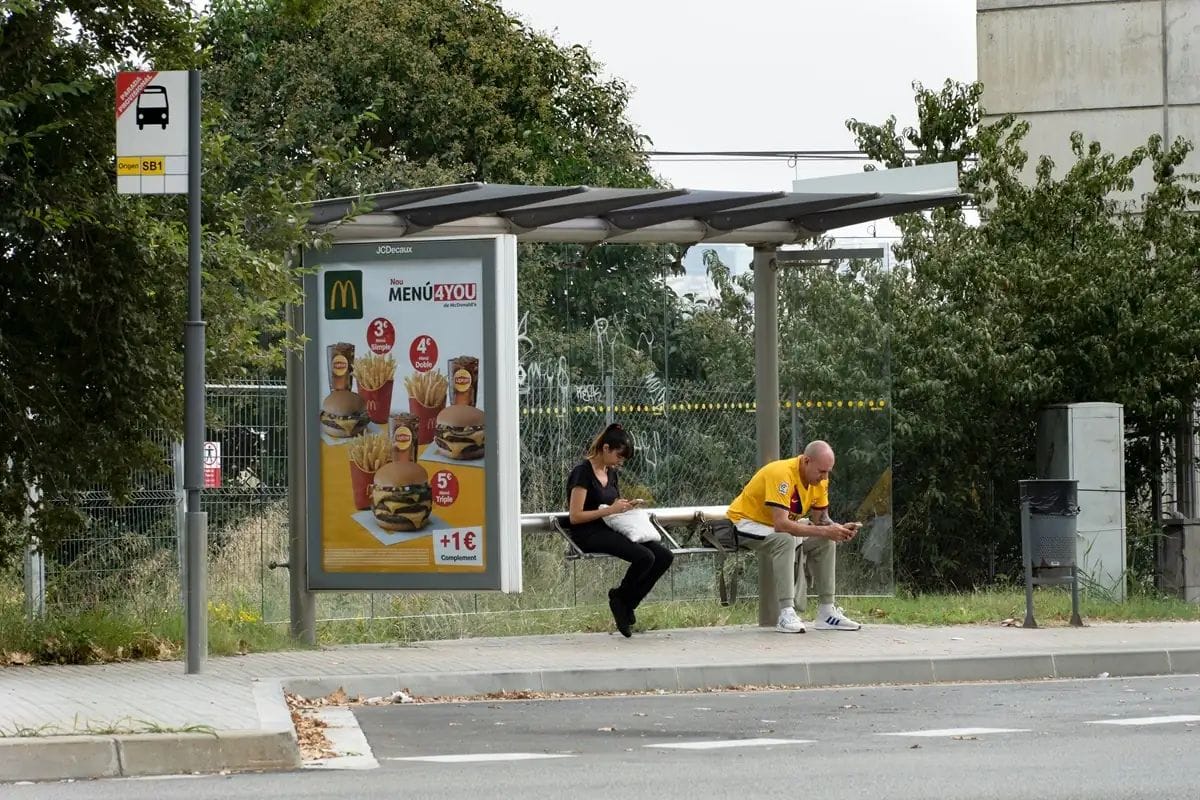
The intervention comes in a context of strong growth in road transport, aggravated by pressure on Rodalies. Every day, around 7,000 buses cross the city, but many stops still lack basic infrastructure for those waiting.
The plan will act in high-footfall areas such as Avinguda Diagonal, Plaça d’Espanya, Gran Via and Fabra i Puig, where more than 20,000 people a day can gather. The idea is to organise spaces better and make waiting more comfortable.
The planned improvements include new paving, benches, shaded areas, bins and clearer access to shelters and pedestrian crossings. Improved signage and, where possible, information points and public toilets will also be added.
The strategy is structured around three fronts: refurbishment of key hubs such as Estación de Sants and Fabra i Puig, reorganisation of stops in central areas —such as Urquinaona, Catalunya and Glòries— and the creation of new points to relieve existing ones and facilitate connections with the metro, bus and tram.
Investment exceeds €12 million. Projects will be defined between 2026 and 2027 and works will be carried out until 2028, alongside other plans for major interchanges promoted together with the Generalitat.
Interurban buses have become a key element for people who live outside Barcelona but work or study there. Improving these stops not only speeds up journeys, but directly affects the daily routine of thousands of people and brings the service closer to the standards of other transport systems.
UPD: The improvement of the stops will also take place alongside another important change for interurban bus users: the introduction of double validation with T-Mobilitat, which will require passengers to validate their ticket when getting off the vehicle as well. With these anonymous data, ATM will be better able to know where journeys begin and end, identify stops with more demand and adjust frequencies or routes with less margin for error.